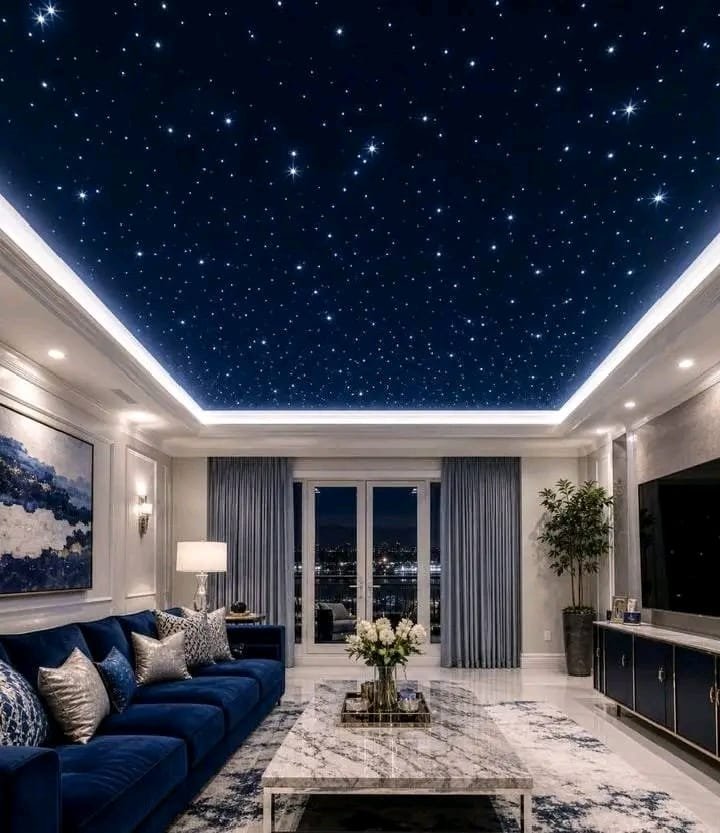
The advantages of an interior designer go far beyond making a room look beautiful. A professional interior designer can help you create a space that is functional, comfortable, personalized, visually appealing, and carefully planned around your lifestyle or business needs. From better space planning and material selection to cost control and project coordination, professional interior design can make a significant difference to the success of your project.
At SUIMAS, we provide professional interior design services in Kenya for homes, offices, commercial properties, restaurants, hotels, healthcare facilities, retail spaces, and other environments. Whether you are building a new home, renovating an existing property, upgrading your office, or planning a commercial fit-out, our approach combines creativity with practical design solutions.
So, what are the advantages of hiring an interior designer? The answer depends on your project, but professional expertise can help you make better decisions, avoid unnecessary mistakes, maximize your space, and achieve a cohesive result.
What Are the Advantages of an Interior Designer?
Hiring a professional interior designer gives you access to expertise that combines creativity, space planning, functionality, materials, lighting, furniture, and project requirements.
Instead of handling every design decision on your own, you can work with a professional who helps bring different elements together.
The major advantages of an interior designer include:
| Advantage | How It Helps You |
|---|---|
| Professional expertise | Provides informed design guidance |
| Space planning | Makes better use of available space |
| Cost control | Helps prioritize spending |
| Time savings | Reduces research and decision-making |
| Mistake prevention | Helps avoid unsuitable purchases |
| Personalization | Creates a space suited to your needs |
| Better functionality | Makes interiors easier to use |
| Material selection | Helps choose suitable finishes |
| Lighting planning | Improves comfort and atmosphere |
| Storage solutions | Reduces clutter and improves organization |
| Project coordination | Helps structure implementation |
| Creative problem-solving | Solves challenging layouts |
| 3D visualization | Makes the proposed design easier to understand |
| Brand identity | Strengthens commercial spaces |
| Long-term value | Creates a more useful and cohesive environment |
1. Professional Expertise Is a Major Advantage of an Interior Designer
One of the biggest advantages of hiring an interior designer is access to professional knowledge.
Designers understand how different elements interact within a space. For instance, they consider proportion, scale, colour, texture, furniture placement, lighting, storage, and movement.
As a result, professional guidance can help you create a cohesive interior rather than a collection of unrelated design choices.
A designer can also help you determine what works best for your particular property, lifestyle, budget, or business.
For information about Kenya’s wider professional built environment, you can also explore the Architectural Association of Kenya.
2. Better Space Planning and Space Utilization
Another important benefit of hiring an interior designer is better use of available space.
This is especially valuable in:
- Nairobi apartments
- Studio apartments
- Small homes
- Compact kitchens
- Small bedrooms
- Offices
- Retail shops
- Commercial properties
A professional designer can plan:
- Furniture placement
- Movement and circulation
- Storage
- Workstations
- Seating
- Room layouts
- Custom cabinetry
Consequently, a small space can feel more organized, comfortable, and functional.
Explore our residential interior design services for professionally planned home interiors.
3. Improve Functionality With Professional Interior Design
A beautiful interior should also work well.
The way a space is designed should reflect how people actually use it.
For example, a kitchen should support efficient movement between preparation, cooking, and storage areas. Similarly, an office should provide comfortable workspaces and practical circulation.
Therefore, professional interior design can help create spaces that are both attractive and functional.
This is one of the most important advantages of an interior designer because good design should make everyday activities easier.
4. Avoid Costly Interior Design Mistakes
Without proper planning, interior projects can quickly become expensive.
You may purchase furniture that is too large, choose unsuitable materials, or install finishes that do not work well with the rest of the space.
Common mistakes include:
- Incorrect measurements
- Poor furniture layouts
- Insufficient storage
- Unsuitable lighting
- Incompatible colours
- Wrong material selection
- Inefficient space utilization
- Unnecessary rework
Fortunately, professional planning can help reduce these risks.
An interior designer can help you evaluate important decisions before you commit your budget.
5. Save Time With an Interior Designer
Interior design involves numerous decisions.
You may need to research furniture, flooring, lighting, colours, curtains, cabinets, wall finishes, and many other elements.
However, professional guidance can simplify the process.
An interior designer can help narrow your options according to:
- Your budget
- Your style
- Your lifestyle
- Your property
- Your maintenance needs
- Your project objectives
As a result, you spend less time searching through countless possibilities.
6. Reduce Decision Fatigue
Another advantage of hiring an interior designer is reducing decision fatigue.
Choosing between hundreds of colours, materials, finishes, furniture styles, and lighting fixtures can become overwhelming.
A professional can help organize these choices and develop a cohesive direction.
| Design Area | Possible Decisions |
|---|---|
| Colours | Walls, ceilings, feature walls |
| Flooring | Tiles, wood, vinyl, carpet |
| Lighting | Recessed, pendant, track, decorative |
| Furniture | Sofas, beds, tables, chairs |
| Storage | Cabinets, wardrobes, shelves |
| Walls | Paint, wallpaper, panels, cladding |
| Kitchen | Cabinets, countertops, hardware |
| Windows | Curtains, blinds, treatments |
Therefore, instead of making every decision alone, you have a professional helping you navigate the process.
7. Get a Personalized Interior That Reflects You
Professional interior design does not have to mean imposing a designer’s personal style on you.
Instead, the designer should understand your preferences and develop a concept that reflects your personality, lifestyle, and needs.
Your home can reflect:
- Your personality
- Your lifestyle
- Your taste
- Your culture
- Your family’s needs
Likewise, your business interior can reflect:
- Your brand
- Your target customers
- Your business values
- Your desired customer experience
Consequently, the finished space can feel more personal and purposeful.
8. Solve Difficult and Awkward Spaces
Every property has unique challenges.
You might have a narrow room, an unused corner, irregular walls, low ceilings, or limited storage.
Fortunately, professional interior designers can approach these challenges creatively.
An unused corner might become a reading area. A narrow wall could accommodate custom shelving. Similarly, the space under a staircase could become useful storage.
Therefore, one of the key advantages of an interior designer is the ability to identify opportunities where others see limitations.
9. Get Smarter Storage Solutions
Storage is an important part of functional interior design.
Rather than adding storage as an afterthought, professional planning can integrate it into the overall design.
Solutions may include:
- Built-in wardrobes
- Walk-in closets
- Kitchen cabinets
- TV units
- Shelving
- Display units
- Hidden storage
- Under-stair storage
- Office cabinets
As a result, your space can remain organized while maintaining a clean appearance.
This is particularly useful for compact Kenyan homes and apartments.
10. Make Better Material and Finish Choices
Choosing materials can be challenging because there are many options available.
A professional designer can help evaluate materials based on:
- Durability
- Appearance
- Maintenance
- Cost
- Availability
- Functionality
- Suitability
For example, flooring suitable for a busy restaurant may not be ideal for a bedroom.
Likewise, kitchen countertops, cabinet finishes, bathroom surfaces, and wall finishes have different requirements.
Therefore, professional guidance can help you achieve the right balance between quality, appearance, performance, and budget.
11. Improve Lighting and Interior Ambience
Lighting can completely change how an interior looks and feels.
A professional designer can help combine:
- Natural lighting
- Ambient lighting
- Task lighting
- Accent lighting
- Decorative lighting
For example, a kitchen may require stronger task lighting, while a living room may benefit from layered lighting that creates a comfortable atmosphere.
Consequently, thoughtful lighting design can improve both functionality and visual appeal.
12. Visualize Your Interior Before Implementation
It can be difficult to imagine the final result from individual samples and sketches.
Where included within the project scope, 3D visualization can help you understand the proposed design before implementation.
You may be able to visualize:
- Furniture layouts
- Colours
- Flooring
- Lighting
- Ceilings
- Wall finishes
- Kitchen cabinets
- Wardrobes
- TV walls
As a result, design decisions can be easier to review before major work begins.
13. Manage Your Interior Design Budget More Strategically
One of the practical advantages of hiring an interior designer is better budget prioritization.
Professional planning can help you identify where quality matters most.
For example, you might prioritize:
- Durable flooring
- Quality kitchen hardware
- Good lighting
- Custom storage
- High-use furniture
Meanwhile, simpler alternatives may be appropriate for less critical decorative elements.
The objective is not necessarily to spend more. Instead, professional guidance can help you make better decisions with the budget available.
14. Access Professional Suppliers and Skilled Specialists
Interior projects often require different specialists.
Depending on the scope, you may need:
- Carpenters
- Joiners
- Electricians
- Painters
- Flooring installers
- Ceiling specialists
- Furniture makers
- Upholsterers
- Contractors
An experienced interior design team may have relationships with suppliers and skilled professionals.
Consequently, professional involvement can make sourcing and coordination more structured.
However, the exact suppliers and specialists involved will depend on the specific project requirements and agreed scope of work.
15. Reduce Stress Through Project Coordination
Managing an interior project independently can be time-consuming.
You may have to coordinate deliveries, contractors, installers, materials, and different timelines.
For larger projects, professional project coordination can help bring these activities together.
Depending on the agreed scope, an interior designer may help coordinate:
- Design requirements
- Material selections
- Suppliers
- Contractors
- Installation
- Finishing
As a result, the project can become easier to manage.
16. Get Better Results From Renovation and Interior Fit-Out
Renovation and fit-out projects often involve many different elements.
These may include:
- Partitioning
- Electrical work
- Plumbing
- Flooring
- Ceilings
- Painting
- Joinery
- Lighting
- Wall finishes
Professional interior design can help bring these elements together under one cohesive design direction.
This is particularly valuable for:
- Home renovations
- Office renovations
- Restaurant fit-outs
- Retail spaces
- Hospitality properties
- Commercial interiors
17. Strengthen Your Business Brand Through Interior Design
For commercial properties, the interior can become an important part of your brand experience.
A well-designed:
- Office
- Restaurant
- Hotel
- Retail shop
- Salon
- Spa
- Showroom
- Clinic
can communicate your brand to customers and visitors.
For example, a restaurant’s interior can influence customer experience, while an office can communicate professionalism.
Therefore, commercial interior design can connect brand identity, functionality, customer experience, and aesthetics.
Explore restaurant design and build services in Kenya from SUIMAS.
18. Improve Comfort and Quality of Life
The advantages of professional interior design can also extend to everyday comfort.
A well-planned interior can consider:
- Furniture ergonomics
- Lighting
- Storage
- Movement
- Room layouts
- Natural light
- Colour
- Material selection
Consequently, your home can become easier and more enjoyable to use.
In an office, thoughtful design can also support comfortable workspaces and efficient movement.
19. Support Sustainable Interior Design Choices
Sustainability is becoming increasingly important in modern interior design.
Professional planning can help incorporate:
- Durable materials
- Long-lasting furniture
- Energy-efficient lighting
- Natural light
- Efficient use of materials
- Designs that reduce unnecessary replacement
Rather than following every short-lived trend, a professional can help create an interior that remains functional and visually relevant for longer.
20. Potentially Improve Property Appeal
A well-designed interior can improve the overall presentation and functionality of a property.
This may be particularly useful for:
- Homeowners
- Property developers
- Landlords
- Hospitality operators
- Commercial property owners
While professional interior design cannot guarantee a specific increase in property value, a well-maintained and thoughtfully designed space may be more appealing to occupants, customers, tenants, or potential buyers.
Advantages of an Interior Designer vs DIY Interior Design
DIY interior design can work well for simple decorative updates. However, professional assistance may be more valuable for complex projects.
| DIY Interior Design | Professional Interior Design |
|---|---|
| Suitable for simple updates | Suitable for complex projects |
| Client handles most decisions | Designer provides expert guidance |
| Limited professional planning | Detailed space planning |
| Client sources materials | Professional sourcing support may be available |
| Higher risk of design mistakes | Professional planning can reduce mistakes |
| Client coordinates tasks | Project coordination may be available |
| Suitable for small changes | Suitable for renovations and fit-outs |
Ultimately, the right choice depends on your experience, available time, budget, and project complexity.
How to Choose an Interior Designer in Kenya
After understanding the advantages of an interior designer, the next step is finding the right professional for your project.
Consider the following:
Review Their Portfolio
Look at previous projects that are similar to your own.
Check Relevant Experience
A designer experienced in residential interiors may have different expertise from one specializing in commercial fit-outs.
Understand the Services
Ask whether the service includes design, 3D visualization, sourcing, renovation, installation, or project coordination.
Discuss Your Budget
Share your budget early so expectations can be aligned.
Request a Clear Scope of Work
Understand exactly what services are included.
Discuss the Timeline
Ask about expected project duration and key milestones.
Evaluate Communication
Choose a professional who listens to your requirements and communicates clearly.
You can also explore the Interior Designers Society of Kenya for additional information about the interior design profession in Kenya.
How Much Does an Interior Designer Cost in Kenya?
Interior design costs vary depending on the project.
Factors that can affect pricing include:
| Cost Factor | What May Affect It |
|---|---|
| Property size | Larger spaces require more planning |
| Project scope | Design-only vs full implementation |
| Complexity | Simple vs highly customized designs |
| Materials | Quality and specifications |
| Custom joinery | Kitchens, wardrobes, TV units |
| Renovation | Repairs and alterations |
| Furniture | Custom vs ready-made |
| Location | Project logistics |
| Installation | Labour and implementation requirements |
Therefore, there is no single price that applies to every interior design project in Kenya.
For an accurate assessment, share your location, property type, approximate size, photos or floor plans, areas to be transformed, preferred style, and budget range.
What Does an Interior Designer Do?
Depending on the project, an interior designer may assist with:
- Initial consultation
- Site assessment
- Measurements
- Space planning
- Design concepts
- Mood boards
- 3D visualization
- Colour selection
- Material selection
- Furniture planning
- Lighting
- Storage solutions
- Kitchen design
- Wardrobe design
- Renovation planning
- Interior fit-outs
- Supplier coordination
- Installation
- Final finishing
The exact services will depend on your project requirements and the agreed scope of work.
Why Choose SUIMAS for Interior Design in Kenya?
At SUIMAS, we combine creative thinking with practical interior solutions.
Customized Interior Design
We develop designs around your space, lifestyle, business, brand, and objectives.
Functional Space Planning
Our focus is on creating interiors that are practical, comfortable, and easy to use.
Residential and Commercial Solutions
Our solutions can be tailored to homes, offices, retail spaces, restaurants, hospitality properties, healthcare facilities, and other environments.
Creative Problem-Solving
We help identify solutions for challenging layouts, compact spaces, storage needs, and other requirements.
Renovation and Interior Fit-Out
Depending on the project scope, we can help transform existing spaces through renovation and interior implementation.
Custom Interior Solutions
Our work can include kitchens, wardrobes, reception counters, ceilings, flooring, wall finishes, furniture, and other custom elements.
Client-Focused Approach
Your preferences, requirements, budget, and objectives remain central to the design process.
Explore More Interior Solutions from SUIMAS
If you are planning an interior project, explore our related solutions:
- Interior Design Services in Kenya
- Residential Interior Design
- Restaurant Design and Build Services
- Clinic Interior Design
- Bar and Lounge Interior Design
- Interior Designers Around You
For additional interior design resources, visit InteriorDesigners.co.ke.
Frequently Asked Questions About the Advantages of an Interior Designer
What are the main advantages of an interior designer?
The main advantages include professional expertise, better space planning, improved functionality, personalized design, time savings, mistake prevention, better material selection, budget guidance, and project coordination.
Is hiring an interior designer worth it?
For many projects, professional interior design can provide value by helping you make informed decisions, avoid unnecessary mistakes, maximize your space, and create a cohesive result.
Can an interior designer help me save money?
Professional planning may help reduce costs associated with wrong purchases, poor measurements, unsuitable materials, and unnecessary rework. However, the actual financial outcome depends on the project.
Can an interior designer work with a small budget?
Yes. A designer can help prioritize your requirements and identify where your available budget should be allocated.
Is an interior designer only for luxury homes?
No. Interior designers can work on apartments, modest homes, offices, retail spaces, restaurants, and other properties. The scope of the service can be adapted to the project.
Can an interior designer help with a small apartment?
Yes. Professional space planning can improve furniture placement, storage, circulation, and functionality in compact spaces.
Can I hire an interior designer for one room?
Yes. Depending on the service offered, you can seek professional design assistance for a living room, bedroom, kitchen, bathroom, home office, or another individual space.
Can an interior designer help with renovations?
Yes. Interior design can be integrated with renovation and fit-out projects depending on the agreed scope of work.
Contact SUIMAS for Professional Interior Design in Kenya
Ready to experience the advantages of an interior designer for your next project?
Whether you are building a new home, renovating an existing property, upgrading an office, opening a restaurant, or developing a commercial space, SUIMAS can help you move from an initial idea to a professionally planned interior.
Call / WhatsApp: 0717 044 443
Call: 0735 255 050 | 0725 021 709
Email: info@suimas.co.ke
Email: info@interiordesigners.co.ke
Areas We Serve
SUIMAS provides professional interior design services across all 47 counties in Kenya. We serve homeowners, businesses, property developers, institutions, hospitality operators, retailers, and other clients.
Our service areas include Nairobi, Mombasa, Kwale, Kilifi, Tana River, Lamu, Taita-Taveta, Garissa, Wajir, Mandera, Marsabit, Isiolo, Meru, Tharaka-Nithi, Embu, Kitui, Machakos, Makueni, Nyandarua, Nyeri, Kirinyaga, Murang’a, Kiambu, Turkana, West Pokot, Samburu, Trans Nzoia, Uasin Gishu, Elgeyo-Marakwet, Nandi, Baringo, Laikipia, Nakuru, Narok, Kajiado, Kericho, Bomet, Kakamega, Vihiga, Bungoma, Busia, Siaya, Kisumu, Homa Bay, Migori, Kisii, and Nyamira.
Interior Design Services in Nairobi
We serve Westlands, Kilimani, Kileleshwa, Lavington, Karen, Runda, Parklands, Riverside, Hurlingham, Loresho, Spring Valley, Kitisuru, Gigiri, Muthaiga, Lang’ata, South C, South B, Nairobi CBD, Eastleigh, Embakasi, Donholm, Buruburu, Komarock, Kasarani, Roysambu, Ruaraka, Ruaka, Syokimau, Utawala, and surrounding areas.
Interior Design Services in Mombasa
Our services cover Nyali, Bamburi, Shanzu, Mtwapa, Kisauni, Tudor, Likoni, Changamwe, Miritini, Port Reitz, Mikindani, Majengo, Mwembe Tayari, and surrounding areas.
Where project requirements allow, SUIMAS can also serve clients in other towns and locations throughout Kenya.