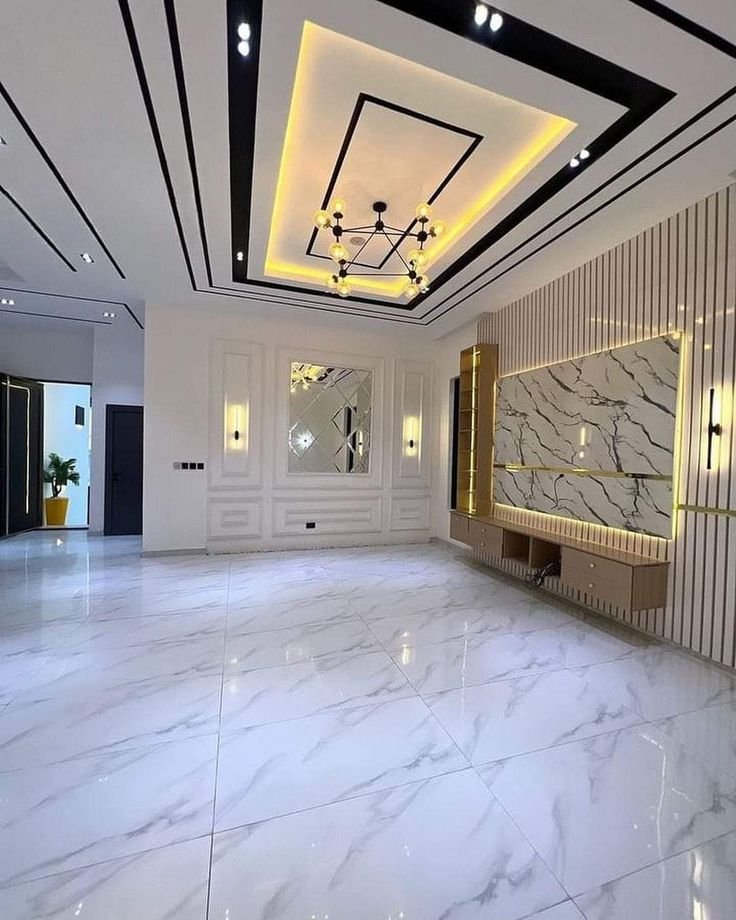
The future of home interior design is no longer simply about choosing beautiful furniture, fashionable colours or impressive décor. Homes are becoming more intelligent, adaptable, sustainable and deeply personal. As lifestyles change and technology becomes increasingly integrated into everyday life, interior design is moving toward spaces that respond to the people who live in them.
The home of the future will not necessarily be the one with the most expensive finishes. Instead, it will be the home that uses space intelligently, supports wellbeing, incorporates useful technology, reduces unnecessary waste and reflects the personality of its occupants.
In Kenya, this transformation is particularly relevant. Urbanisation, apartment living, new residential developments, changing family structures, remote working and growing demand for professionally designed spaces are influencing how homeowners approach interiors. The Interior Design Society of Kenya identifies technology, urbanisation, sustainability and changing lifestyles among the forces shaping the country’s interior-design future.
For homeowners planning a new house, apartment renovation or complete interior transformation, understanding these changes can help create a home that remains functional and attractive for years rather than becoming outdated after a few seasons.
At InteriorDesigners.co.ke, we combine contemporary design thinking with practical solutions to create interiors that are beautiful, functional and suited to the way people actually live.
What Is the Future of Home Interior Design?
The future of home interior design is centred on personalisation, flexibility, technology, sustainability, wellness and timeless functionality.
Instead of designing rooms purely according to traditional categories, designers are increasingly considering how spaces can adapt throughout the day and over the years.
A bedroom may incorporate a study area. A living room may provide space for entertaining, relaxing and working. A kitchen can become a family gathering space. A spare bedroom can eventually become a home office, gym or dressing room.
This represents an important shift:
The future home is designed around the homeowner rather than forcing the homeowner to adapt to the design.
1. Smart Homes Will Become Part of Interior Design
One of the biggest changes shaping the future of home interiors is the integration of technology.
Smart-home technology can allow homeowners to manage different aspects of their environment more conveniently, including:
- Lighting
- Curtains and blinds
- Security systems
- Entertainment
- Climate controls
- Selected appliances
- Access systems
- Energy monitoring
However, the future of smart interior design is not about filling a house with visible gadgets.
The better approach is technology that disappears into the architecture.
For example, speakers can be integrated into ceilings, lighting can be recessed, cables can be concealed within cabinetry and controls can be positioned conveniently around the home.
Kenyan industry discussions similarly identify smart technology and home automation as important components of the future of interior design.
Smart Interior Design in Nairobi Homes
For a modern home in Nairobi, smart systems can be incorporated during the design stage rather than added after construction.
This allows the interior designer and relevant technical professionals to coordinate lighting, electrical requirements, cabinetry and technology more effectively.
2. Artificial Intelligence Will Change Interior Design
Artificial intelligence is beginning to influence how people imagine and plan interiors.
AI-assisted tools can help explore:
- Layout concepts
- Colour combinations
- Furniture arrangements
- Material combinations
- Design styles
- Visual concepts
However, AI does not eliminate the need for professional interior designers.
A generated image does not automatically understand:
- Structural limitations
- Electrical requirements
- Plumbing
- Building regulations
- Material availability
- Contractor coordination
- Actual project budgets
- Installation requirements
The future is therefore likely to involve AI-assisted design combined with human expertise.
AI can help generate possibilities. Professional designers turn those possibilities into buildable solutions.
3. Personalised Interiors Will Replace Generic Design
One of the strongest directions in future interior design is personalisation.
For years, homeowners have often relied on the same social-media-inspired styles: identical neutral sofas, similar wall treatments, matching décor and predictable colour palettes.
The future is moving toward interiors that tell individual stories.
Your home might include:
- Family photographs
- Kenyan artwork
- Handcrafted furniture
- Travel pieces
- Books
- Personal collections
- Custom cabinetry
- Bespoke textiles
- Meaningful objects
The objective is not to make the home look like a showroom.
It is to make it feel like your home.
This approach also supports longevity because personal interiors are less dependent on short-lived trends.
4. Sustainable Interior Design Will Become Standard
Sustainability is moving from an optional design feature toward an increasingly important consideration.
Future homes will place greater emphasis on:
- Durable materials
- Responsible sourcing
- Local materials
- Energy-efficient lighting
- Long-lasting furniture
- Reduced waste
- Natural ventilation
- Natural lighting
- Reusable components
- Efficient appliances
Kenyan industry coverage increasingly connects sustainability with locally sourced materials and biophilic design.
Why Sustainable Interior Design Matters
Choosing a durable material may initially cost more than selecting a low-quality alternative.
However, if it lasts considerably longer, it can provide better long-term value.
The future of luxury is therefore increasingly about quality, durability and responsible selection, rather than simply using more materials.
5. Biophilic Homes Will Bring Nature Indoors
Biophilic interior design is expected to remain an important part of future residential design.
The concept involves creating stronger relationships between indoor spaces and nature.
This can include:
- Indoor plants
- Natural timber
- Stone
- Natural fibres
- Large windows
- Garden views
- Natural ventilation
- Indoor courtyards
- Green walls
- Outdoor living spaces
For Kenyan homes, this approach is particularly appropriate because the country’s climate and natural landscapes provide strong opportunities for indoor-outdoor living.
Future Home Example
Imagine a Nairobi residence where:
Living room → covered terrace → landscaped garden
The same flooring tones, timber details and natural textures can visually connect the three spaces.
Instead of treating the garden as an afterthought, it becomes part of the interior experience.
6. Flexible Rooms Will Become More Important
The traditional idea that every room must have one permanent function is becoming less practical.
Modern households often need spaces that can change.
A guest bedroom could become:
- Home office
- Study
- Gym
- Dressing room
- Hobby room
A living room could incorporate a discreet workspace.
A large kitchen can function as:
Cooking area + dining area + social space + family workspace.
This makes flexibility one of the most important principles for future home interiors.
7. Multifunctional Furniture Will Help Maximise Space
As urban homes become more compact, furniture will increasingly need to perform multiple functions.
Future-focused interiors may use:
- Modular sofas
- Extendable dining tables
- Built-in desks
- Storage beds
- Fold-away workstations
- Custom shelving
- Movable partitions
- Integrated storage
This is particularly valuable for apartments in Nairobi where every square metre matters.
Instead of filling a small room with more furniture, designers can create furniture that performs several functions while maintaining visual simplicity.
8. Custom Storage Will Become a Design Essential
Storage is often one of the biggest practical challenges in residential interiors.
Future homes will increasingly incorporate storage directly into the architecture.
Examples include:
- Floor-to-ceiling wardrobes
- Concealed cupboards
- Under-stair storage
- Built-in TV units
- Hidden appliance storage
- Walk-in wardrobes
- Custom kitchen systems
- Integrated shelving
The advantage is that storage can be designed alongside the room instead of being added later.
This produces a cleaner appearance and makes better use of available space.
9. Wellness Will Influence Home Design
The future home will increasingly be designed around wellbeing.
A wellness-focused interior may consider:
- Natural light
- Air movement
- Comfortable furniture
- Acoustic comfort
- Quiet spaces
- Relaxation areas
- Indoor greenery
- Home gyms
- Reading spaces
- Spa-style bathrooms
Recent design coverage also shows a growing interest in homes designed around personal wellbeing and long-term living rather than simply resale considerations.
The Future Bedroom
Bedrooms may increasingly become calmer environments rather than storage-heavy spaces.
This could mean:
- Better lighting
- Integrated wardrobes
- Reduced visual clutter
- Soft materials
- Acoustic considerations
- Comfortable seating
- Carefully controlled technology
10. Layered Lighting Will Become More Sophisticated
Lighting will continue moving beyond the traditional single ceiling fixture.
Future interiors will use several layers:
Ambient lighting
Provides general illumination.
Task lighting
Supports specific activities such as reading, cooking or working.
Accent lighting
Highlights artwork, architectural features and textures.
Decorative lighting
Adds visual personality.
Integrated lighting
Can be concealed within:
- Wardrobes
- Ceilings
- Shelves
- Kitchens
- Staircases
- TV walls
Smart controls can then allow homeowners to adjust lighting according to activity and time of day.
11. Natural Materials Will Become More Valuable
Future interiors are likely to place greater emphasis on materials that provide tactile and visual depth.
These can include:
- Timber
- Natural stone
- Leather
- Rattan
- Sisal
- Woven textiles
- Clay
- Ceramic
- Linen
The objective is not necessarily to create rustic interiors.
Natural materials can work beautifully within contemporary and luxury spaces.
For example:
Natural timber + stone + contemporary furniture + integrated lighting
can create a sophisticated modern interior while maintaining warmth.
12. Kenyan Craftsmanship Will Influence Future Interiors
One of the biggest opportunities for Kenyan interior design is combining global design thinking with local craftsmanship.
Future homes can incorporate:
- Kenyan artwork
- Handwoven baskets
- Locally crafted furniture
- Woven textiles
- Handmade ceramics
- Sculptural objects
- Locally sourced timber
- African-inspired patterns
This creates interiors with a stronger sense of place.
The future of Kenyan design does not have to mean copying international interiors.
Instead, it can mean taking contemporary design principles and giving them a distinctly Kenyan identity.
Industry coverage from IDSK similarly points toward cultural fusion, local materials and African design expression as important parts of the region’s future interior landscape.
13. Home Offices Will Become More Integrated
Working from home has changed the requirements of residential interiors.
A future home office should consider:
- Ergonomics
- Lighting
- Storage
- Power outlets
- Internet equipment
- Background appearance
- Privacy
- Acoustic comfort
However, not every home needs a dedicated office.
A designer can create an integrated workstation within:
- A bedroom
- Living room
- Landing
- Library
- Kitchen
- Guest room
The goal is to provide a functional workspace without compromising the rest of the interior.
14. Kitchens Will Become More Social
The future kitchen will continue to evolve from a purely functional room into a social hub.
Modern kitchens can incorporate:
- Large islands
- Breakfast seating
- Integrated appliances
- Pantry systems
- Hidden storage
- Charging points
- Task lighting
- Dining connections
In larger homes, the kitchen may connect directly to dining and outdoor entertaining areas.
This creates a continuous social environment.
15. Bathrooms Will Become Personal Wellness Retreats
Bathrooms are also becoming more personalised.
Future bathrooms may include:
- Walk-in showers
- Freestanding baths
- Floating vanities
- Large mirrors
- Integrated lighting
- Natural stone
- Timber details
- Recessed storage
- Improved ventilation
The design objective is to make a functional room feel more like a private retreat.
16. Indoor-Outdoor Living Will Continue Growing
The boundary between inside and outside is becoming less rigid.
This is particularly relevant to Kenyan homes.
Designers can create continuity through:
- Similar flooring
- Matching colour palettes
- Consistent materials
- Large openings
- Sliding doors
- Covered terraces
- Outdoor kitchens
- Garden seating
This approach works particularly well for properties in Karen, Runda, Lavington and other areas with larger compounds.
For coastal properties, including homes around Mombasa, indoor-outdoor design can also support a relaxed environment that responds to the local setting.
17. Homes Will Become More Adaptable Over Time
A future-focused home should not only work for today’s lifestyle.
It should have the ability to adapt.
For example, a young couple may initially need:
Home office + guest bedroom.
Later, they may need:
Children’s bedroom + study area.
Years later, the same rooms may need to become:
Guest suite + hobby room.
Flexible design allows the property to evolve without requiring a complete renovation every few years.
18. Timeless Design Will Matter More Than Short-Lived Trends
The future of interior design is not about chasing every new trend.
Some trends become outdated quickly.
A more resilient approach is to establish a timeless foundation and introduce trends through elements that can be changed relatively easily.
For example:
Timeless foundation:
- Flooring
- Cabinetry
- Quality furniture
- Architectural details
- Durable materials
Changeable elements:
- Cushions
- Artwork
- Accessories
- Some paint colours
- Decorative objects
- Soft furnishings
This allows homeowners to refresh the appearance without rebuilding the entire interior.
Recent design commentary similarly points toward more personalised, lived-in spaces and away from interiors that feel overly staged or dependent on a single trend.
19. The Future of Luxury Interior Design Is Personal
Luxury is changing.
It is becoming less about simply displaying expensive materials and more about creating an exceptional experience.
Luxury can mean:
- Furniture designed specifically for you
- Perfectly organised storage
- Lighting that responds to your routine
- A kitchen designed around how you cook
- A bedroom designed around rest
- A home office designed around productivity
- A bathroom designed around relaxation
In other words:
Luxury is functionality executed exceptionally well.
Future Home Interior Design in Kenya
Kenya has a unique opportunity to develop its own future-facing design language.
The strongest homes are likely to combine:
Global innovation + Kenyan craftsmanship + sustainable materials + smart technology + personal identity.
A Nairobi apartment can be modern without looking generic.
A Karen residence can be luxurious without becoming excessive.
A Mombasa home can be contemporary while responding to its coastal environment.
A family home in Kisumu, Nakuru or Eldoret can incorporate modern functionality while retaining regional character.
This local adaptation is important because interior design should always respond to its environment.
What Will Homes Look Like in 2030?
Nobody can predict exactly what every home will look like in 2030.
However, several directions are already visible.
Homes are likely to become:
More intelligent
Technology will become increasingly integrated into everyday environments.
More flexible
Rooms will perform multiple functions.
More sustainable
Durability and responsible material selection will become increasingly important.
More personal
Homeowners will seek spaces that reflect their identity.
More connected to nature
Biophilic design and indoor-outdoor relationships will continue developing.
More wellness-focused
Comfort, lighting, acoustics and healthy environments will become increasingly important.
Less trend-dependent
People are likely to favour interiors that can remain relevant rather than constantly replacing everything to follow new trends.
Kenyan industry sources already describe the sector as moving toward technology, sustainability, wellness, cultural identity and lifestyle-driven design.
How Interior Designers Will Work in the Future
The role of the interior designer is also changing.
Tomorrow’s designer will increasingly work as a combination of:
Designer + Planner + Technology Advisor + Material Specialist + Project Coordinator + Problem Solver.
The process may involve:
- Client consultation
- Lifestyle assessment
- Site analysis
- Space planning
- Digital concepts
- 3D visualisation
- Material selection
- Cost planning
- Procurement
- Installation
- Styling
- Final handover
This means clients will increasingly expect more than attractive drawings.
They will expect a complete solution.
How to Future-Proof Your Home Interior
If you are renovating or building a home today, consider these principles.
1. Prioritise layout
A beautiful room with poor circulation will remain frustrating.
2. Invest in quality where replacement is difficult
Spend carefully on flooring, cabinetry, plumbing fixtures and other long-term components.
3. Use technology strategically
Install useful systems rather than technology simply because it is fashionable.
4. Create flexible spaces
Allow rooms to change as your lifestyle changes.
5. Plan storage early
Good storage dramatically affects how a home functions.
6. Use timeless foundations
Let easily replaceable décor carry seasonal trends.
7. Include natural elements
Timber, plants, stone and natural textures can provide long-term warmth.
8. Personalise the interior
Your home should reflect the people living in it.
Future Interior Design Services for Modern Kenyan Homes
Creating a future-ready home requires more than selecting furniture.
Professional interior design services in Kenya can help with the complete design process.
Depending on the project, services may include:
- Residential interior design
- Luxury home interior design
- Apartment interior design
- Space planning
- 3D interior visualisation
- Kitchen design
- Bedroom design
- Bathroom design
- Custom furniture
- Built-in cabinetry
- Lighting design
- Material selection
- Interior renovation
- Home styling
- Project coordination
For homeowners planning a renovation, combining design and implementation can help maintain consistency from the initial concept through to the finished space.
Future Home Interior Design in Nairobi
Nairobi is likely to remain one of Kenya’s strongest markets for future-focused residential interiors.
Apartments in Kilimani, Kileleshwa and Westlands require intelligent space planning and storage.
Larger homes in Karen, Runda and Lavington provide opportunities for bespoke interiors, smart technology, wellness spaces and indoor-outdoor living.
A future-focused Nairobi interior should therefore not simply copy an international design trend.
It should respond to:
- The property
- The neighbourhood
- The climate
- The homeowner
- The available space
- The budget
- The desired lifestyle
That is where professional design becomes valuable.
The Future of Home Interior Design Is Human
Technology will change how homes operate.
AI will change how designers explore ideas.
Sustainable materials will influence what we buy.
Smart systems will change how we interact with our surroundings.
But the fundamental purpose of interior design will remain human.
A home should help people live better.
It should make everyday activities easier, provide comfort, support wellbeing, accommodate change and express the identity of the people who live there.
The most successful future interiors will therefore not be the homes with the most technology or the most expensive materials.
They will be the spaces where technology, craftsmanship, functionality, sustainability and personal expression work together naturally.
Frequently Asked Questions About the Future of Home Interior Design
What is the future of home interior design?
The future of home interior design is moving toward personalised, flexible, sustainable, technology-enabled and wellness-focused spaces. Homes will increasingly be designed around changing lifestyles rather than fixed room functions.
Will AI replace interior designers?
AI is more likely to become a design-support tool than completely replace professional designers. AI can help explore concepts, while professionals remain important for site analysis, technical coordination, material selection, budgeting and implementation.
What are the biggest future interior design trends?
Major directions include smart-home technology, sustainable materials, biophilic design, flexible rooms, personalised interiors, natural materials, wellness spaces, integrated storage and indoor-outdoor living.
Will smart homes become more common?
Smart-home technology is expected to become increasingly integrated into residential design. The most effective systems will be incorporated discreetly into lighting, security, entertainment and other parts of the home.
What is sustainable interior design?
Sustainable interior design considers the environmental and long-term impact of materials, furniture, energy use and construction decisions. It can involve durable products, responsible sourcing, efficient lighting and reduced waste.
How can I future-proof my home?
Prioritise a functional layout, quality materials, flexible rooms, good storage, adaptable technology and timeless finishes. Use easily replaceable décor for trends that may change.
Is luxury interior design still relevant in the future?
Yes, but the definition of luxury is evolving. Future luxury will increasingly focus on personalisation, craftsmanship, comfort, functionality, technology and high-quality materials rather than simply visual extravagance.
Design the Home You Will Still Love Tomorrow
The future of home interior design is already taking shape.
Homes are becoming smarter, more adaptable, more sustainable and more personal. Yet the most important change is that design is moving away from creating spaces that simply look impressive toward creating spaces that genuinely improve everyday life.
Whether you are building a new home, renovating an existing property or transforming an apartment, the decisions you make today can determine how effectively your interior serves you for years to come.
At InteriorDesigners.co.ke, we create contemporary residential interiors that combine thoughtful space planning, modern aesthetics, practical functionality, quality materials and personalised design.
Ready to create a home designed for the future?
Explore our interior design services and start planning a space that works not only for today, but for the years ahead.