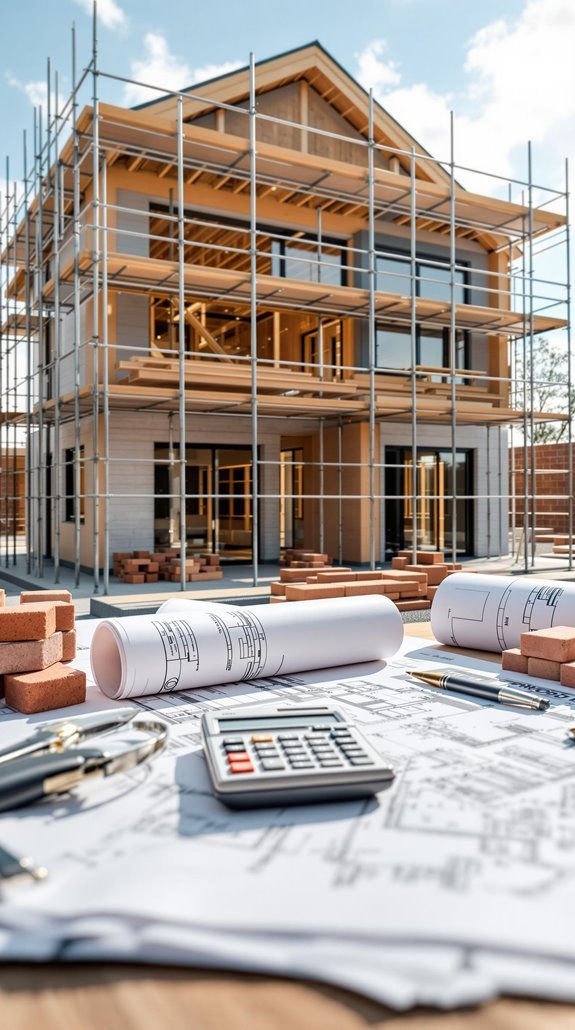
Pricing a house interior project accurately is essential for delivering a successful project while protecting both the client and the contractor. At InteriorDesigners.co.ke, we prepare detailed and transparent pricing based on the scope of work, project size, material specifications, labour requirements, and finishing standards. Whether you are designing a new home, renovating an apartment, upgrading a maisonette, or fitting out a luxury villa, a structured pricing approach ensures realistic budgets, efficient project execution, and no unexpected costs.
Why Proper Pricing Is Important
Professional pricing helps you:
- Prepare accurate project budgets
- Avoid underpricing or overpricing
- Improve project profitability
- Build client confidence
- Plan procurement effectively
- Manage project timelines
- Reduce unexpected expenses
- Deliver transparent quotations
Factors That Determine House Interior Project Costs
1. Property Size
The size of the property directly affects the amount of materials, labour, and time required.
Examples include:
- Studio apartment
- One-bedroom apartment
- Two-bedroom apartment
- Three-bedroom apartment
- Bungalow
- Maisonette
- Villa
- Townhouse
2. Scope of Work
List every item included in the project.
Typical services include:
- Interior design consultation
- Space planning
- 3D visualization
- Demolition
- Masonry works
- Electrical installation
- Plumbing works
- Kitchen remodeling
- Bathroom renovation
- Flooring installation
- Gypsum ceiling installation
- Painting
- Wallpaper installation
- TV wall installation
- Custom wardrobes
- Furniture supply
- Curtains and blinds
- Decorative lighting
3. Measure Every Space
Prepare accurate measurements for:
- Floor area (m²)
- Ceiling area
- Wall area
- Kitchen dimensions
- Bathroom dimensions
- Wardrobe sizes
- Cabinet lengths
Accurate measurements form the basis of a reliable Bill of Quantities (BOQ).
4. Price Materials
Include all materials required for the project, such as:
- Floor tiles
- SPC or hardwood flooring
- Paint
- Gypsum boards
- Ceiling framing
- Kitchen cabinets
- Countertops
- Wardrobes
- Bathroom fittings
- Lighting fixtures
- Decorative wall panels
- Glass and mirrors
- Door hardware
Use current supplier prices when preparing your estimate.
5. Calculate Labour Costs
Separate labour from material costs.
Typical labour includes:
- Masonry
- Tiling
- Painting
- Plumbing
- Electrical installation
- Carpentry
- Joinery
- Gypsum installation
- Glass installation
- Cleaning
6. Include Furniture and Accessories
Where applicable, include:
- Sofas
- Dining tables
- Beds
- Mattresses
- Coffee tables
- TV units
- Curtains
- Rugs
- Decorative mirrors
- Artwork
7. Add Project Management Costs
Professional project management typically covers:
- Site supervision
- Procurement
- Contractor coordination
- Quality inspections
- Progress reporting
- Project scheduling
Many firms charge a fixed fee or 5–15% of the total project value, depending on the project scope.
8. Include Transport Costs
Consider:
- Material delivery
- Labour transport
- Equipment hire
- Waste removal
9. Add a Contingency
Allow 5–10% of the total project value for unforeseen works, price fluctuations, or client-requested changes.
10. Include Taxes
Where applicable, include:
- VAT
- Government approvals
- Other statutory charges
Sample Pricing Breakdown
| Cost Category | Estimated Percentage |
|---|---|
| Materials | 45–60% |
| Labour | 20–30% |
| Furniture & Accessories | 10–20% |
| Project Management | 5–15% |
| Transport & Logistics | 2–5% |
| Contingency | 5–10% |
Average House Interior Project Costs in Kenya
| Service | Estimated Cost (KES) |
|---|---|
| Interior Design Consultation | 5,000 – 30,000+ |
| Space Planning | 20,000 – 100,000+ |
| 3D Interior Design | 15,000 – 80,000+ per room |
| Living Room Interior Design | 100,000 – 700,000+ |
| Bedroom Interior Design | 80,000 – 500,000+ |
| Kitchen Design & Installation | 350,000 – 2,500,000+ |
| Bathroom Renovation | 180,000 – 900,000+ |
| Flooring Installation | 2,500 – 12,000+ per m² |
| Gypsum Ceiling Installation | 1,800 – 4,500+ per m² |
| Complete House Interior Project | 800,000 – 10,000,000+ |
| Luxury House Interior Project | 5,000,000 – 30,000,000+ |
Prices vary depending on the project size, scope of work, materials selected, labour requirements, design complexity, finishing standards, location, project duration, and level of customization. Contact us today for a customized quotation.
Tips for Pricing House Interior Projects
- Conduct a detailed site survey before preparing a quotation.
- Prepare an accurate Bill of Quantities (BOQ).
- Use current market prices for all materials.
- Separate labour and material costs.
- Include transport and logistics.
- Add a contingency allowance.
- Factor in project management fees.
- Clearly define what is included and excluded.
- Specify the payment schedule and quotation validity period.
- Review the quotation before presenting it to the client.
Contact Information
Phone: 0717 044 443, 0735 255 050, 0725 021 709
Email: info@interiordesigners.co.ke, shop@interiordesigners.co.ke, info@suimas.co.ke
Contact Us Today: Contact Page
https://interiordesigners.co.ke/contact/
FAQs
What is the biggest factor affecting interior project pricing?
The biggest factors are the project size, scope of work, material quality, labour requirements, and the level of customization.
Should labour and material costs be quoted separately?
Yes. Separating labour and material costs makes the quotation more transparent and easier for clients to understand.
Why is a BOQ important?
A Bill of Quantities provides an itemized breakdown of materials, quantities, and costs, helping clients understand exactly what they are paying for.
How much contingency should I include?
Most interior projects should include a contingency of 5–10% to accommodate unforeseen expenses or design changes.
Do you prepare customized quotations?
Yes. Every quotation is prepared based on your property’s measurements, design requirements, material preferences, and project scope.
Other Services We Offer
- House Interior Design
- Home Renovation Services
- Kitchen Design Services
- Bathroom Renovation Services
- Office Interior Design
- Commercial Interior Design
- Construction Project Management
- Building Consultancy Services
- Construction Supervision Services
- Property Project Management
Explore More Interior Solutions from SUIMAS
Areas We Serve
We proudly offer our services across all counties in Kenya, including:
Mombasa, Kwale, Kilifi, Tana River, Lamu, Taita Taveta, Garissa, Wajir, Mandera, Marsabit, Isiolo, Meru, Tharaka Nithi, Embu, Kitui, Machakos, Makueni, Nyandarua, Nyeri, Kirinyaga, Murang’a, Kiambu, Turkana, West Pokot, Samburu, Trans Nzoia, Uasin Gishu, Elgeyo Marakwet, Nandi, Baringo, Laikipia, Nakuru, Narok, Kajiado, Kericho, Bomet, Kakamega, Vihiga, Bungoma, Busia, Siaya, Kisumu, Homa Bay, Migori, Kisii, Nyamira, Nairobi.
Nairobi Area Coverage
Westlands, Kilimani, Karen, Lang’ata, Lavington, Kileleshwa, South C, South B, Embakasi, Kasarani, Roysambu, Ruaka, Runda, Eastleigh, Ngong Road, CBD, Kamukunji, Starehe, Mathare, Kibera, Donholm, Buruburu, Komarock, Utawala.
Mombasa Area Coverage
Nyali, Bamburi, Kisauni, Likoni, Tudor, Changamwe, Miritini, Port Reitz, Mikindani, Shanzu.