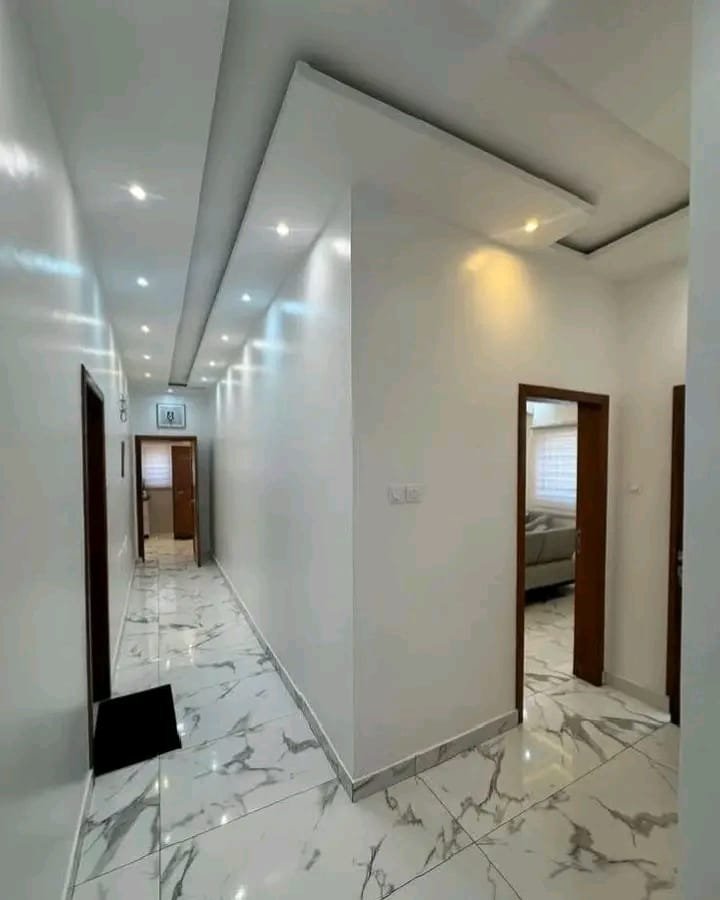
The importance of interior design in construction cannot be overstated. A successful construction project is not simply about putting up walls, installing a roof, or completing a structurally sound building. Instead, the finished property should be functional, comfortable, attractive, efficient, and suitable for the people who will use it. That is why professional interior design should be considered from the early stages of construction rather than treated as an afterthought.
At InteriorDesigners.co.ke, we provide professional interior design services in Kenya for homeowners, property developers, businesses, institutions, and investors. From new residential construction and apartment developments to offices, hotels, restaurants, and commercial properties, we help clients plan interiors that combine functionality, aesthetics, comfort, and practical requirements.
Moreover, early interior design planning allows important decisions about space planning, lighting, flooring, ceilings, kitchens, wardrobes, storage, furniture, materials, and finishes to be considered before construction reaches advanced stages. Consequently, the relationship between the building and its final interior can be better coordinated.
Why Is Interior Design Important in Construction?
The importance of interior design in construction lies in its ability to connect the physical building with the experience of the people who will occupy it.
While architects and engineers focus on the structure, technical systems, and overall building design, interior designers concentrate on how internal spaces will function and feel. Therefore, professional interior design can help transform an empty building into a purposeful environment.
A well-planned interior may address:
- Space planning
- Furniture layouts
- Lighting
- Flooring
- Wall finishes
- Ceiling designs
- Storage
- Kitchens
- Wardrobes
- Colour schemes
- Materials
- Ergonomics
- Comfort
- Accessibility considerations
- Branding and visual identity
As a result, interior design becomes an important part of creating a complete construction project.
1. Importance of Interior Design in Construction for Space Planning
One major reason for the importance of interior design in construction is effective space utilization.
A property can have a well-designed architectural structure and still feel uncomfortable if the internal spaces are poorly planned. For this reason, interior designers study how occupants will move through, interact with, and use each room.
Professional space planning may involve:
- Furniture placement
- Circulation routes
- Storage requirements
- Seating arrangements
- Work areas
- Kitchen workflows
- Built-in furniture
- Multi-purpose spaces
For example, a compact apartment may require creative storage and carefully selected furniture to maximize limited floor space. Similarly, a large office may need clearly defined workstations, meeting rooms, breakout areas, and reception spaces.
Therefore, effective interior planning helps ensure that available space is used purposefully.
2. Interior Design Connects Construction With Functionality
The importance of interior design in construction projects also becomes clear when considering functionality.
Every building has a purpose. A home should support comfortable living. An office should encourage productivity and collaboration. Meanwhile, a restaurant needs to provide an enjoyable customer experience while supporting efficient staff operations.
Interior design helps translate these requirements into practical spaces.
For example:
| Construction Project | Interior Design Priorities |
|---|---|
| Residential home | Comfort, storage, lifestyle, and functionality |
| Apartment | Efficient use of limited space |
| Office | Productivity, collaboration, and professional image |
| Hotel | Guest comfort and hospitality experience |
| Restaurant | Customer experience and operational flow |
| Retail shop | Product display and customer movement |
| Healthcare facility | Organization, comfort, and functionality |
| Showroom | Product presentation and brand identity |
Consequently, interior design should be based on the intended use of the property rather than aesthetics alone.
3. Early Interior Design Planning Can Prevent Costly Changes
Another important benefit of interior design during construction is early coordination.
When interior requirements are considered from the beginning, homeowners and developers can make informed decisions before construction reaches later stages. As a result, certain design conflicts may be identified earlier.
For instance, early planning can address:
- Lighting positions
- Electrical points
- Kitchen layouts
- Wardrobe locations
- Built-in storage
- Ceiling designs
- Flooring transitions
- Wall finishes
- Furniture requirements
However, interior design does not eliminate every possible construction change. Instead, it provides a clearer design direction that can help reduce avoidable adjustments and unnecessary rework.
For major construction and renovation projects, you can also explore our interior fit-out services in Kenya for coordinated interior implementation.
4. Interior Design Creates a Cohesive Construction Project
A property can contain expensive materials and high-quality furniture while still feeling visually disconnected. This often happens when each design element is selected independently.
Professional interior design brings different elements together through a coordinated concept.
These elements may include:
- Colours
- Textures
- Flooring
- Lighting
- Furniture
- Ceilings
- Wall treatments
- Joinery
- Decorative features
For example, a home’s living room, dining area, kitchen, and hallway can have different functions while sharing complementary colours and materials.
Similarly, a commercial property can maintain consistent branding from the reception area to customer-facing spaces.
Therefore, cohesive interior design helps create a finished property that feels intentional and professionally planned.
5. The Importance of Interior Design in Construction for Comfort
The importance of interior design in construction extends beyond appearance. It also involves the comfort and well-being of occupants.
Depending on the project, professional interior designers may consider:
- Furniture ergonomics
- Natural lighting
- Artificial lighting
- Room proportions
- Acoustics
- Ventilation considerations
- Material selection
- Ease of movement
For homeowners, these decisions can contribute to a more comfortable living environment. Likewise, in offices, thoughtful design can help create pleasant and functional workplaces.
Moreover, hospitality spaces can use interior design to influence the way guests experience the property.
Ultimately, good interior design considers both how a space looks and how it feels to use.
6. Interior Design Helps Select the Right Materials
Construction projects involve numerous material decisions. Without proper planning, selecting the right options can become overwhelming.
Interior design can help coordinate choices involving:
- Flooring
- Wall finishes
- Paint
- Tiles
- Countertops
- Cabinet materials
- Ceiling finishes
- Doors
- Hardware
- Fabrics
The appropriate material depends on the purpose of the space.
For example, a busy commercial floor may require durable finishes, while a bedroom may prioritize comfort and visual warmth. Similarly, kitchen surfaces need to balance appearance, maintenance, and practical use.
Therefore, professional material selection helps balance aesthetics, durability, functionality, maintenance, and budget.
7. Importance of Interior Design in Construction for Lighting
Lighting is another important consideration in construction and interior planning.
A professional design may combine:
- Natural lighting
- Ambient lighting
- Task lighting
- Accent lighting
- Decorative lighting
The requirements vary from room to room.
For instance, kitchens benefit from practical task lighting, while living rooms may require layered lighting for relaxation and entertainment. On the other hand, offices need suitable illumination for workstations and collaboration areas.
By coordinating lighting with furniture, ceilings, and room layouts, interior designers can create more functional and visually appealing environments.
8. Interior Design Supports Kitchen and Wardrobe Planning
Kitchens and wardrobes often require early planning, especially when custom joinery is involved.
Interior design can help coordinate:
- Cabinet layouts
- Storage
- Work surfaces
- Appliances
- Lighting
- Hardware
- Materials
Similarly, bedroom wardrobes and walk-in closets can be planned according to the available space and the homeowner’s storage requirements.
Consequently, early planning can help ensure that custom installations fit naturally into the overall construction and interior design.
9. The Role of Interior Design in Sustainable Construction
Sustainability is becoming increasingly important in modern construction. Therefore, interior design can contribute to more environmentally conscious decisions.
Depending on the project, clients may consider:
- Energy-efficient lighting
- Natural light
- Durable materials
- Low-VOC finishes
- Reclaimed materials
- Water-efficient fixtures
- Timeless design
- Efficient use of resources
For example, maximizing natural light can reduce dependence on artificial lighting during the day. Similarly, choosing durable finishes may reduce the need for frequent replacement.
However, overall building sustainability depends on many factors, including architecture, insulation, building systems, construction methods, and equipment.
For broader information on sustainable building practices, homeowners and developers can refer to resources from the United Nations Environment Programme and other recognized built-environment organizations.
10. Interior Design Helps Create Timeless Construction Projects
Construction is a significant investment. Therefore, property owners often want interiors that remain attractive and functional for many years.
Professional interior design can help balance current trends with timeless principles such as:
- Appropriate proportions
- Quality materials
- Functional layouts
- Cohesive colours
- Durable finishes
- Flexible furniture arrangements
Instead of relying entirely on short-lived trends, homeowners can create a strong design foundation. Then, smaller elements such as artwork, cushions, accessories, and soft furnishings can be updated when preferences change.
As a result, the interior may remain relevant without requiring a complete redesign every few years.
11. Interior Design Personalizes the Construction Project
Every property owner has different preferences and requirements.
A professional interior designer can translate these individual needs into a cohesive design concept.
Personalization may include:
- Colour preferences
- Furniture styles
- Artwork
- Custom joinery
- Lighting
- Materials
- Textures
- Lifestyle requirements
For example, a homeowner who works remotely may need a dedicated office. Meanwhile, a growing family may prioritize additional storage and flexible living spaces.
Therefore, interior design ensures that the finished property reflects the people who will use it.
12. Interior Design Improves the User Experience
The success of a construction project should ultimately be judged by how well the finished environment serves its occupants.
In residential projects, that means creating comfortable and practical homes.
In commercial spaces, it may involve improving customer experience and business operations.
For offices, the focus could include employee comfort, collaboration, and productivity.
Similarly, hotels and restaurants may use interior design to create memorable guest experiences.
Consequently, interior design helps bridge the gap between constructing a building and creating a successful environment.
13. Interior Design Can Improve Property Appeal
A well-designed interior can contribute to the overall presentation and appeal of a property.
This may benefit:
- Homeowners
- Property developers
- Landlords
- Hotels
- Offices
- Retail businesses
Thoughtful improvements to kitchens, bathrooms, living spaces, lighting, flooring, and storage can create a stronger first impression.
However, interior design does not guarantee a specific increase in property value. Factors such as location, market conditions, construction quality, maintenance, and property demand also play important roles.
Nevertheless, a functional and attractive interior can contribute positively to the overall experience of a property.
14. Interior Design Helps Coordinate Construction Professionals
Construction projects often involve several professionals, including:
- Architects
- Engineers
- Contractors
- Electricians
- Plumbers
- Carpenters
- Joiners
- Painters
- Flooring installers
- Furniture suppliers
The interior designer can help establish the intended appearance and functionality of internal spaces.
Where project coordination forms part of the agreed scope, the designer may also help communicate design requirements and coordinate certain implementation activities.
Therefore, professional interior design can provide property owners with a clearer process for managing complex interior requirements.
15. Why Interior Design Should Not Be an Afterthought
One of the most important lessons from successful construction projects is that interior design should ideally be considered early.
Waiting until construction is complete may create challenges such as:
- Furniture that does not fit
- Poorly positioned lighting
- Insufficient storage
- Inconvenient electrical points
- Difficult kitchen layouts
- Ceiling and lighting conflicts
- Incompatible finishes
By planning interiors early, homeowners and developers can make important decisions before implementation reaches advanced stages.
Therefore, the importance of interior design in construction is especially evident when it is integrated into the project from the beginning.
Interior Design for New Construction vs Renovation
Interior design is valuable for both new construction and renovation projects.
| New Construction | Renovation |
|---|---|
| Interior requirements can be considered early | Existing conditions must be assessed |
| Layouts can be coordinated from the beginning | Existing spaces may need reconfiguration |
| Lighting and electrical requirements can be planned early | Existing systems may require upgrades |
| Custom joinery can be integrated | Existing finishes may need removal |
| Design can influence construction decisions | Design must respond to the existing structure |
In both situations, professional planning can provide a clearer direction for the completed interior.
If you are renovating an existing property, explore our home renovation services in Kenya and discuss your requirements with our team.
Why Hire Professional Interior Designers for Construction?
Hiring a professional interior designer can provide several advantages throughout a construction project.
Professional Expertise
You benefit from experience in space planning, materials, finishes, furniture, lighting, and functionality.
Better Planning
A structured design process can help organize decisions before implementation.
Cohesive Results
Different elements can be coordinated around one clear design concept.
Efficient Space Utilization
Professional planning can help maximize available space.
Better Decision-Making
Designers can help evaluate options based on your requirements and budget.
Reduced Risk of Rework
Early planning may help identify certain issues before construction progresses too far.
Personalized Solutions
The final design can reflect the property’s purpose and the needs of its users.
For more information, explore our professional interior design services and discover how we can support your project.
Our Interior Design Services for Construction Projects in Kenya
At InteriorDesigners.co.ke, we provide interior design solutions for a wide range of construction and renovation projects.
Our services include:
- Residential interior design
- Home interior design
- Apartment interior design
- Office interior design
- Commercial interior design
- Hotel interior design
- Restaurant interior design
- Retail and showroom design
- Kitchen interior design
- Wardrobe design
- Walk-in closet design
- Gypsum ceiling design
- Lighting design
- Flooring solutions
- Wall cladding
- Wainscoting
- Custom joinery
- Space planning
- Interior fit-outs
- Renovation design
- Project coordination
The exact scope of each project depends on the client’s requirements and the services agreed upon.
Why Choose InteriorDesigners.co.ke?
Choosing the right interior design partner can make a significant difference to your construction or renovation project.
At InteriorDesigners.co.ke, our approach combines:
Functionality + Aesthetics + Comfort + Practicality + Personalization
We understand that every project is different. Therefore, we consider the property’s purpose, available space, design preferences, budget, and intended users.
Whether you are constructing a new home in Nairobi, developing an apartment in Mombasa, fitting out an office in Westlands, or renovating a commercial property elsewhere in Kenya, professional interior design can help you create a complete and purposeful environment.
Additionally, our team can help you explore solutions through SUIMAS, our broader platform for interior design, renovation, and related property solutions in Kenya.
How Much Does Interior Design Cost in Kenya?
The cost of interior design varies from one project to another.
Factors that can affect the overall cost include:
- Property size
- Number of rooms
- Location
- Design complexity
- Materials
- Custom furniture
- Joinery
- Renovation requirements
- Interior finishes
- Project management
- Scope of services
Therefore, there is no single price that applies to every construction project.
Instead, the best approach is to discuss your requirements and receive a project-specific quotation.
When Should You Hire an Interior Designer?
The best time to involve an interior designer is as early as possible, particularly when constructing a new property.
Early involvement allows the project team to consider:
- Room layouts
- Furniture requirements
- Lighting
- Electrical points
- Kitchen design
- Wardrobes
- Storage
- Flooring
- Ceilings
- Wall finishes
- Material specifications
However, it is never too late to seek professional support. Interior designers can also assist with renovations, remodeling, and completed spaces that need improvement.
Frequently Asked Questions About the Importance of Interior Design in Construction
Why is interior design important in construction?
The importance of interior design in construction is seen in its ability to improve functionality, comfort, space utilization, aesthetics, and the overall user experience. It also helps coordinate interior requirements with the construction process.
Should I hire an interior designer before construction starts?
Ideally, yes. Early involvement can help coordinate layouts, lighting, electrical requirements, kitchens, wardrobes, finishes, and other interior needs before construction progresses.
Is interior design only about decoration?
No. Professional interior design may involve space planning, functionality, lighting, materials, furniture, storage, comfort, and project coordination in addition to aesthetics.
Can interior design reduce construction costs?
Interior design does not automatically reduce construction costs. However, early planning may help prevent certain mistakes, unnecessary purchases, and avoidable rework.
Can interior design improve property value?
A well-designed interior may improve the presentation and appeal of a property. However, property value depends on many factors, so no specific increase can be guaranteed.
What is the role of interior design in commercial construction?
Interior design can help commercial properties support business operations, employee needs, customer experience, branding, and efficient use of space.
Why is interior design important for homeowners?
It helps homeowners create comfortable, personalized, practical, and visually cohesive spaces while making better use of the available area.
Contact InteriorDesigners.co.ke Today
Planning a new construction project, renovation, or interior fit-out?
Do not wait until the building is complete before considering the interior.
Instead, involve professional interior designers early and develop a clear vision for your space. Consequently, important decisions about layouts, finishes, lighting, storage, kitchens, wardrobes, and other interior elements can be considered at the right stage.
Call / WhatsApp: 0717 044 443
Call: 0735 255 050 | 0725 021 709
Email: info@interiordesigners.co.ke
Email: shop@interiordesigners.co.ke
Contact our interior design team to discuss your construction, renovation, or interior design requirements.
Areas We Serve
We provide professional interior design and interior fit-out services across all 47 counties in Kenya, serving homeowners, developers, businesses, institutions, and property owners.
Our service areas include Nairobi, Mombasa, Kwale, Kilifi, Tana River, Lamu, Taita-Taveta, Garissa, Wajir, Mandera, Marsabit, Isiolo, Meru, Tharaka-Nithi, Embu, Kitui, Machakos, Makueni, Nyandarua, Nyeri, Kirinyaga, Murang’a, Kiambu, Turkana, West Pokot, Samburu, Trans Nzoia, Uasin Gishu, Elgeyo-Marakwet, Nandi, Baringo, Laikipia, Nakuru, Narok, Kajiado, Kericho, Bomet, Kakamega, Vihiga, Bungoma, Busia, Siaya, Kisumu, Homa Bay, Migori, Kisii, and Nyamira.
In Nairobi, we serve areas including Westlands, Kilimani, Kileleshwa, Lavington, Karen, Runda, Parklands, Riverside, Hurlingham, Loresho, Spring Valley, Kitisuru, Gigiri, Muthaiga, Lang’ata, South C, South B, Nairobi CBD, Eastleigh, Embakasi, Donholm, Buruburu, Komarock, Kasarani, Roysambu, Ruaraka, Syokimau, Utawala, Ruaka, and surrounding areas.
In Mombasa, our service areas include Nyali, Bamburi, Shanzu, Mtwapa, Kisauni, Tudor, Likoni, Changamwe, Miritini, Port Reitz, Mikindani, Majengo, Mwembe Tayari, and surrounding areas.
For projects outside these areas, contact us to discuss your specific requirements and location.