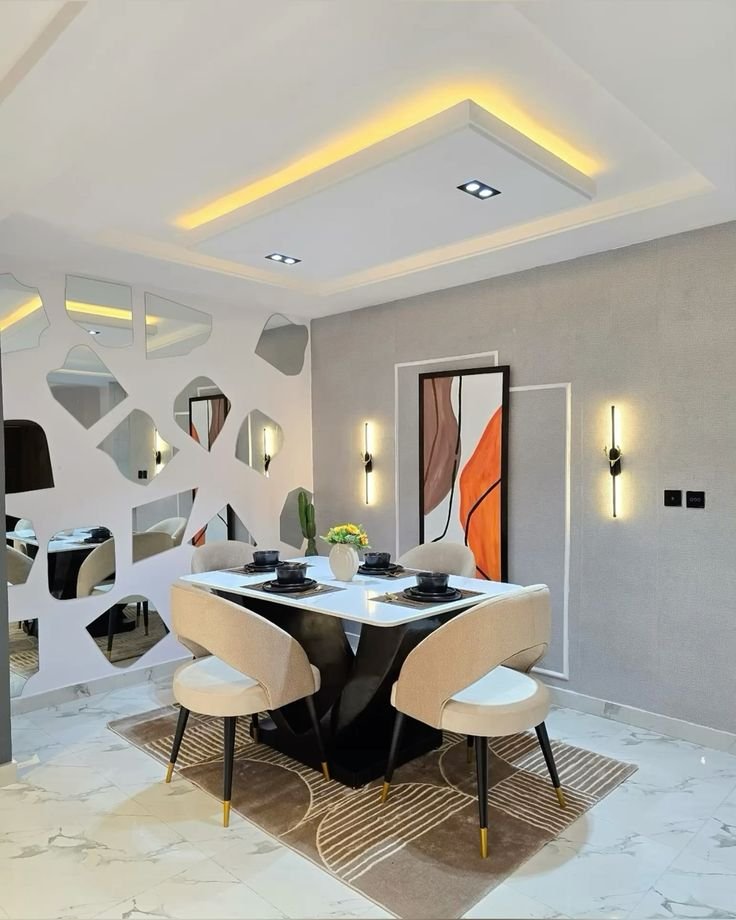
Interior design trends in Kenya in 2026 are moving beyond decoration. Today’s best interiors are being designed around how people live, work, relax, entertain and experience their spaces.
From luxury homes in Runda and Karen to apartments in Kilimani and Westlands, corporate offices in Upper Hill and Westlands, and coastal properties in Nyali, Bamburi, Shanzu and Diani, Kenyan clients are becoming more intentional about their interiors.
The strongest 2026 interior design trends in Kenya combine warm materials, natural textures, smart technology, wellness, flexible layouts, sustainability, African identity and carefully considered luxury.
Industry discussions from the Interior Design Society of Kenya (IDSK) similarly point toward a Kenyan design market increasingly focused on functionality, identity, lifestyle and timeless design.
The Interior Designers Association of Kenya (IDAK) also highlights warmer material palettes, wellness-led planning, flexible work zones and stronger local expression as important developments in Nairobi interiors.
At InteriorDesigners.co.ke, these trends can be translated into practical design solutions for homes, offices, hospitality spaces and commercial properties across Kenya.
The big question is no longer simply, “What looks good in 2026?”
It is:
“What will make a Kenyan interior look exceptional, function better and remain relevant for years?”
What Are the Biggest Interior Design Trends in Kenya for 2026?
The leading interior design trends in Kenya for 2026 include:
- Warm minimalism
- Biophilic interior design
- Sustainable and locally sourced materials
- Modern African interiors
- Earthy and nature-inspired colours
- Rich accent colours
- Natural stone and tactile surfaces
- Curved and sculptural furniture
- Flexible and multifunctional spaces
- Smart-home technology
- Integrated lighting
- Wellness-focused interiors
- Bespoke furniture and joinery
- Concealed storage
- Indoor-outdoor living
- Contemporary coastal interiors
- Statement walls and textured finishes
- Personalised interiors
- Home offices designed for productivity
- Flexible and human-centred offices
- Experience-led commercial interiors
- Sustainable luxury
- Better space planning
- Local craftsmanship and Kenyan identity
- Timeless, future-ready interiors
Let’s examine what each trend means for Kenyan homes and businesses.
1. Warm Minimalism Is Replacing Cold Minimalism
Minimalism remains relevant in 2026, but Kenyan interiors are moving away from spaces that feel excessively bare, cold or clinical.
The new direction is warm minimalism.
Instead of relying on plain white walls and minimal furniture, designers are introducing:
- Warm neutral colours
- Natural timber
- Stone
- Soft fabrics
- Textured walls
- Layered lighting
- Handmade accessories
- Earth-inspired tones
- Comfortable furniture
The result is clean without feeling empty.
For a Nairobi apartment, warm minimalism can make a relatively compact space feel calm, spacious and sophisticated without removing personality.
This aligns with the wider shift toward warmer, more layered Nairobi interiors identified by IDAK.
Where it works best
Warm minimalism is particularly effective for:
Kilimani apartments, Kileleshwa homes, Lavington residences, Westlands apartments and modern family homes across Nairobi.
2. Biophilic Interior Design Is Becoming Mainstream
One of the strongest interior design trends in Kenya for 2026 is biophilic design.
Biophilic design connects indoor spaces with nature through:
- Indoor plants
- Natural light
- Timber
- Stone
- Rattan
- Sisal
- Natural fabrics
- Organic forms
- Indoor gardens
- Outdoor views
- Natural ventilation
The idea is not simply to put a plant in the corner.
It is to create an interior that feels naturally connected to its surroundings.
For example, a home in Karen can use large openings, landscaping and natural materials to connect indoor and outdoor areas.
An apartment in Nairobi can achieve a similar effect through indoor plants, natural textures, daylight and carefully selected finishes.
IDSK has identified biophilic and sustainable approaches as major forces shaping the future of Kenyan interiors.
Related service: Explore residential interior design in Kenya for spaces designed around lifestyle, comfort and natural character.
3. Sustainable Interior Design Is Becoming More Important
Sustainability is moving from an optional feature to a more important part of design decisions.
Kenyan homeowners and developers are increasingly considering:
- Material durability
- Local sourcing
- Energy efficiency
- Natural ventilation
- Responsible timber
- Reclaimed materials
- Low-waste construction
- Repairability
- Long-term maintenance
Sustainable design does not necessarily mean making the project more expensive.
Good sustainability often starts with better decisions.
A durable material that lasts longer can be a better investment than a cheaper finish that needs frequent replacement.
Local sourcing can also reduce unnecessary transportation while supporting Kenyan manufacturers and craftsmen.
4. Modern African Interior Design Is Becoming More Refined
African-inspired interiors are evolving beyond obvious traditional decoration.
In 2026, a more sophisticated approach combines:
Contemporary architecture + African craftsmanship + natural materials + modern furniture + curated artwork.
A living room could feature contemporary sofas alongside a locally crafted coffee table, woven textures, African artwork and natural timber.
The result feels Kenyan without becoming visually overwhelming.
This growing emphasis on cultural identity is consistent with the direction identified by IDSK in its discussion of the future of Kenyan interiors.
5. Earthy Colours Are Defining Contemporary Kenyan Interiors
Colour palettes are becoming warmer and more connected to nature.
Popular directions include:
- Sand
- Beige
- Terracotta
- Olive
- Clay
- Warm grey
- Brown
- Cream
- Taupe
- Muted green
These colours work particularly well with timber, stone and natural fabrics.
For coastal Kenya, sandy neutrals can be combined with soft blues and natural textures.
For Nairobi homes, earthy colours can create a warmer atmosphere while maintaining a contemporary appearance.
6. Rich Accent Colours Are Returning
Minimalist interiors do not mean colourless interiors.
In 2026, carefully controlled colour is being used to create personality.
Potential accent colours include:
- Emerald green
- Deep blue
- Burnt orange
- Burgundy
- Mustard
- Forest green
- Terracotta
The important principle is balance.
Instead of making every wall bold, a designer can introduce colour through:
- Artwork
- Upholstery
- Curtains
- Accent chairs
- Feature walls
- Decorative objects
- Joinery
This allows the space to remain sophisticated while becoming more expressive.
7. Natural Stone and Tactile Materials Are Gaining Attention
Flat, visually repetitive surfaces are giving way to materials that invite people to look and touch.
Natural stone, timber, textured plaster, woven materials and tactile fabrics can add depth to interiors.
In luxury residential interiors, stone can be used for:
- Kitchen islands
- Bathroom surfaces
- Feature walls
- Fireplace surrounds
- Reception counters
- Dining tables
The goal is not to cover everything in expensive materials.
Instead, use a few high-quality materials where they create the greatest visual and functional impact.
8. Curved Furniture and Sculptural Forms Add Softness
Straight lines remain important, but curved furniture is increasingly being used to soften contemporary interiors.
Examples include:
- Curved sofas
- Rounded coffee tables
- Arched mirrors
- Sculptural chairs
- Rounded islands
- Organic lighting
Curves can make a room feel less rigid and create a stronger sense of movement.
They work particularly well in:
- Living rooms
- Hotel lounges
- Reception areas
- Restaurants
- Luxury apartments
9. Multifunctional Spaces Are Essential for Modern Kenyan Homes
Urban living is creating greater demand for flexible spaces.
One room may need to function as:
- A home office
- Guest bedroom
- Study
- Entertainment room
- Exercise area
- Children’s space
This makes multifunctional design one of the most practical home interior design trends in Kenya for 2026.
Solutions can include:
- Built-in storage
- Sliding partitions
- Fold-away desks
- Modular furniture
- Convertible rooms
- Flexible lighting
- Smart zoning
IDAK’s residential design analysis similarly highlights adaptability, smarter space use and changing family routines as important considerations for the Kenyan home of the future.
10. Smart Homes Are Becoming Part of Interior Design
Technology is increasingly being integrated into the design rather than added afterwards.
A modern smart interior can include:
- Automated lighting
- Smart switches
- Motorised curtains
- Home security
- Integrated entertainment
- Smart climate controls
- Energy monitoring
- Automated blinds
The most sophisticated approach is one where the technology does not dominate the room.
Controls, speakers and wiring can be carefully integrated into the architecture.
The future luxury home will therefore be both beautiful and intelligent.
11. Layered and Smart Lighting Will Transform Interiors
Lighting is one of the most powerful tools in interior design.
Instead of relying on a single ceiling light, 2026 interiors are increasingly using layers.
Ambient lighting
Provides general illumination.
Task lighting
Supports activities such as cooking, reading and working.
Accent lighting
Highlights artwork, textures and architectural features.
Decorative lighting
Adds visual character.
Smart lighting
Allows lighting scenes to change according to time and activity.
For example:
Morning: bright and energising.
Work: focused task lighting.
Dinner: warm ambient lighting.
Entertainment: softer accent lighting.
Night: low-level pathway lighting.
12. Wellness Is Becoming a Design Priority
The future of interior design is increasingly concerned with how a space makes people feel.
Wellness-oriented design can include:
- Natural daylight
- Ventilation
- Acoustic comfort
- Comfortable furniture
- Reduced clutter
- Better storage
- Indoor greenery
- Calm colours
- Relaxation areas
- Sleep-friendly bedrooms
This is particularly relevant as Kenyan clients increasingly think beyond appearance and consider quality of life, maintenance, energy use and everyday comfort.
13. Bespoke Furniture and Custom Joinery Are Growing
Mass-produced furniture cannot always solve the specific requirements of a property.
Bespoke furniture allows designers to work around:
- Room dimensions
- Storage requirements
- Architecture
- Lifestyle
- Brand identity
- Material preferences
Popular custom solutions include:
- Kitchens
- Wardrobes
- TV units
- Home offices
- Bars
- Libraries
- Reception desks
- Display cabinets
- Entertainment units
Example: Luxury Home in Runda
A large Runda residence could combine custom cabinetry, integrated lighting, natural timber, concealed storage and statement furniture.
Instead of buying individual pieces that happen to fit, the furniture becomes part of the architecture.
14. Concealed Storage Will Become a Luxury Feature
Good storage is increasingly invisible.
Instead of filling rooms with cabinets, designers are integrating storage into the architecture.
Examples include:
- Full-height wardrobes
- Under-stair cabinets
- Built-in TV units
- Concealed kitchen storage
- Integrated entrance storage
- Bedroom cabinetry
- Hidden home-office storage
The objective is simple:
More storage. Less visual clutter.
This is particularly valuable for apartments in Nairobi.
15. Indoor-Outdoor Living Will Continue Growing
Kenya’s climate and landscape make indoor-outdoor design particularly attractive.
A modern home can connect interior areas with:
- Balconies
- Terraces
- Courtyards
- Gardens
- Patios
- Outdoor dining
- Pool areas
Large openings, appropriate shading and coordinated materials can make indoor and outdoor spaces feel like one connected environment.
This approach works particularly well for homes in:
Karen, Runda, Muthaiga, Nyali, Shanzu, Bamburi and Diani.
16. Contemporary Coastal Design Is Evolving in Mombasa
Coastal interior design is moving beyond obvious nautical themes.
The modern coastal interior can use:
- Sand tones
- Natural timber
- Rattan
- Linen
- Stone
- Soft blue
- Neutral fabrics
- Contemporary furniture
- Natural textures
Example: Nyali Residence
A modern Nyali home could combine:
Natural timber + textured walls + soft coastal colours + large openings + contemporary furniture + indoor-outdoor living.
The result is recognisably coastal without looking like a themed hotel.
For properties in Mombasa, Shanzu, Bamburi, Mtwapa, Diani and surrounding coastal areas, climate-appropriate materials and ventilation should also be considered.
17. Textured Walls Are Replacing Flat Decorative Finishes
Walls are becoming more architectural.
Instead of plain painted surfaces, designers are using:
- Textured paint
- Microcement
- Decorative plaster
- Timber panels
- Stone
- Wall cladding
- Fluted panels
- Wallpaper
- Slatted screens
The key is restraint.
A single well-designed feature wall can have more impact than covering every wall with decoration.
Related service: Explore wall cladding and interior finishing solutions for ways to incorporate texture into a complete interior scheme.
18. Personalised Interiors Will Beat Generic Design
Perhaps the biggest trend of all is personalisation.
People increasingly want their homes to tell their own stories.
That could mean displaying:
- Artwork
- Travel collections
- Books
- Family photographs
- Handmade objects
- Cultural pieces
- Custom furniture
- Personal collections
A professionally designed home should not look like a furniture showroom.
It should look like your home, only exceptionally well designed.
19. Home Offices Will Become Better Designed
The home office has become a permanent part of many modern homes.
A good home office should consider:
- Ergonomics
- Lighting
- Acoustics
- Storage
- Power access
- Internet equipment
- Backgrounds for video meetings
- Privacy
Rather than placing a desk in an unused corner, the future approach is to design a workspace that supports concentration and comfort.
20. Kenyan Offices Are Becoming More Human-Centred
Commercial interior design is also changing rapidly.
The traditional office of rows of desks and enclosed management offices is giving way to more flexible environments.
Future-focused offices can include:
- Collaboration areas
- Quiet rooms
- Informal meeting spaces
- Breakout zones
- Flexible workstations
- Wellness areas
- Acoustic treatments
- Technology-enabled meeting rooms
IDAK’s 2026 Nairobi analysis specifically highlights flexible work zones, warmer materials, wellness and local design expression.
For businesses planning a new workspace or renovation, explore our office interior design services in Nairobi.
21. Commercial Interiors Will Focus More on Experience
A commercial interior is no longer simply a container for a business.
It is part of the customer experience.
This is particularly important for:
- Restaurants
- Hotels
- Retail stores
- Showrooms
- Clinics
- Corporate offices
- Beauty spaces
- Hospitality properties
Design can influence how customers perceive:
Quality, trust, professionalism, comfort and brand identity.
A premium restaurant in Nairobi, for example, needs more than attractive furniture. Circulation, lighting, acoustics, seating, material durability and customer experience all matter.
22. Sustainable Luxury Will Become the New Definition of Premium Design
Luxury is changing.
It is becoming less about filling a room with expensive objects and more about:
- Quality
- Craftsmanship
- Comfort
- Durability
- Bespoke design
- Natural materials
- Technology
- Personalisation
- Thoughtful detailing
This is sustainable luxury.
A beautifully crafted custom piece that lasts for years can offer more value than repeatedly replacing inexpensive furniture.
23. Better Space Planning Will Matter More Than Decoration
One of the biggest differences between an attractive room and a genuinely successful interior is planning.
Good space planning considers:
- Movement
- Furniture proportions
- Storage
- Lighting
- Privacy
- Views
- Electrical points
- Function
- Circulation
This means professional interior design starts before furniture selection.
The plan should answer:
How will people actually use this space?
24. Kenyan Craftsmanship Will Become a Stronger Design Asset
Local craftsmanship can give Kenyan interiors a distinctive identity.
Opportunities include:
- Custom woodworking
- Woven materials
- Metalwork
- Stonework
- Ceramics
- Textile production
- Bespoke furniture
Combining these with contemporary architecture can produce interiors that are both globally sophisticated and locally relevant.
This is one reason the future of Kenyan design should not simply imitate international trends.
Kenya can develop its own design language.
25. Timeless, Future-Ready Interiors Will Outperform Short-Lived Trends
The smartest 2026 interiors will not necessarily follow every trend.
Instead, they will combine:
Timeless foundations + contemporary details + adaptable elements.
For example:
Keep major investments timeless
- Flooring
- Cabinetry
- Built-in furniture
- Architectural features
- Sanitaryware
Update trends through flexible elements
- Artwork
- Paint
- Accessories
- Cushions
- Decorative furniture
- Some lighting
This allows the interior to evolve without requiring a complete renovation every few years.
Interior Design Trends in Nairobi 2026
Nairobi remains one of the most important interior design markets in Kenya.
Different neighbourhoods create different opportunities.
Karen
Luxury homes, gardens, natural materials, indoor-outdoor living and bespoke interiors.
Runda
High-end residential design, smart homes, custom joinery and premium finishes.
Muthaiga
Elegant residential interiors, privacy-focused layouts and refined materials.
Gigiri
Residential, diplomatic and hospitality-oriented interiors.
Westlands
Luxury apartments, restaurants, offices and commercial spaces.
Kilimani
Apartment interiors, space optimisation and contemporary residential design.
Kileleshwa
Modern apartments, renovations, storage solutions and custom furniture.
Lavington
Premium residential interiors, renovations and bespoke finishes.
Upper Hill
Corporate offices, professional environments and commercial fit-outs.
These locations demonstrate why a successful interior design company in Nairobi should understand more than one design style.
Interior Design Trends in Mombasa 2026
Mombasa requires a different design response.
The future of coastal interiors is likely to combine:
Contemporary design + natural materials + coastal character + climate-responsive planning.
Popular applications include:
- Natural timber
- Rattan
- Stone
- Light fabrics
- Neutral colours
- Indoor plants
- Large openings
- Outdoor lounges
- Covered terraces
- Coastal artwork
Areas such as Nyali, Shanzu, Bamburi, Mtwapa, Kizingo and Mombasa Island offer opportunities for contemporary coastal design.
Further south, Diani and Kwale provide particularly strong opportunities for indoor-outdoor residential and hospitality interiors.
Interior Design Trends Across Kenya
The future of interior design is not limited to Nairobi and Mombasa.
Professional design services can support projects across all 47 counties of Kenya, including:
Nairobi, Mombasa, Kiambu, Nakuru, Kajiado, Machakos, Murang’a, Nyeri, Kirinyaga, Nyandarua, Laikipia, Meru, Tharaka-Nithi, Embu, Isiolo, Marsabit, Samburu, Turkana, West Pokot, Trans Nzoia, Uasin Gishu, Elgeyo-Marakwet, Nandi, Baringo, Kericho, Bomet, Narok, Kisumu, Siaya, Homa Bay, Migori, Kisii, Nyamira, Busia, Kakamega, Vihiga, Bungoma, Kitui, Makueni, Taita-Taveta, Kilifi, Kwale, Lamu, Tana River, Garissa, Wajir and Mandera.
However, national coverage should never mean using the same design everywhere.
The strongest approach is to adapt the design to the property’s location, architecture, climate, lifestyle, materials and purpose.
How to Apply 2026 Interior Design Trends Without Making Your Home Look Dated
Following every trend can quickly make an interior look inconsistent.
A better strategy is to establish a timeless foundation first.
Step 1: Define the lifestyle
Who uses the space?
How do they work, relax and entertain?
Step 2: Analyse the architecture
Understand the building before selecting finishes.
Step 3: Plan the space
Furniture, movement and storage should be resolved early.
Step 4: Select a material palette
Choose complementary flooring, walls, cabinetry, furniture and fabrics.
Step 5: Introduce 2026 trends selectively
Use trends where they genuinely improve the space.
Step 6: Add technology
Plan lighting, power, entertainment and smart-home systems before finishing.
Step 7: Personalise
Add artwork, furniture and objects that tell the client’s story.
Step 8: Style the final interior
The final layer should bring the entire design together.
What Interior Designers Should Consider in Kenya in 2026
The future of interior design requires more than aesthetic knowledge.
A professional designer should understand:
- Local materials
- Construction methods
- Lighting
- Furniture
- Space planning
- Sustainability
- Technology
- Procurement
- Project coordination
- Maintenance
- Client lifestyle
- Local climate
- Budget management
The best results come when design decisions are connected rather than made individually.
Why Professional Interior Design Matters in 2026
The value of a professional interior designer is not simply choosing colours.
A designer can help coordinate the entire journey from:
Brief → Site Assessment → Concept → Space Planning → 3D Design → Materials → Budget → Procurement → Installation → Styling
This reduces the risk of disconnected design decisions.
It also allows the client to understand the proposed space before major implementation begins.
For homeowners, developers and businesses, professional design can therefore become a way of improving both functionality and long-term value.
IDAK’s industry material similarly stresses the importance of professional design, standards, process and project coordination within Kenya’s growing property market.
Frequently Asked Questions About Interior Design Trends in Kenya 2026
What are the latest interior design trends in Kenya for 2026?
The strongest trends include warm minimalism, biophilic design, sustainable materials, modern African interiors, natural textures, flexible spaces, smart-home technology, wellness, bespoke furniture, layered lighting and personalised interiors.
What is the biggest interior design trend in Kenya in 2026?
There is no single trend that applies to every property. The broader movement is toward interiors that combine functionality, comfort, sustainability, personal identity and technology.
Is minimalism still popular in Kenya?
Yes. However, minimalism is becoming warmer and more comfortable. Natural timber, textured fabrics, earthy colours and layered lighting help create a softer interpretation of minimalist design.
What colours are trending in Kenyan interiors in 2026?
Earth-inspired colours such as beige, terracotta, olive, clay, warm grey and brown are strong choices. Richer accents such as emerald, deep blue and burnt orange can add personality.
What are the latest office interior design trends in Kenya?
Flexible work zones, collaboration spaces, wellness areas, acoustic solutions, technology integration, natural materials and stronger brand identity are increasingly important.
What are the best interior design trends for Nairobi apartments?
Warm minimalism, concealed storage, multifunctional furniture, smart lighting, natural textures and efficient space planning work particularly well in urban apartments.
What interior design trends work best in Mombasa?
Contemporary coastal interiors using natural materials, ventilation, indoor-outdoor living, neutral colours, textured fabrics and climate-appropriate finishes are particularly suitable.
Is biophilic design suitable for Kenyan homes?
Yes. Natural light, plants, timber, stone, natural textures and indoor-outdoor connections can work effectively in many Kenyan homes.
Is smart-home technology part of interior design?
Increasingly, yes. Lighting, security, curtains, entertainment and energy systems can be planned as part of the interior rather than installed as separate additions.
Will African-inspired interior design remain popular?
Yes, but the strongest direction is likely to be more refined. Contemporary interiors can incorporate Kenyan craftsmanship, artwork, textures and materials without becoming overly themed.
Final Thoughts: The Future of Interior Design in Kenya
The most important interior design trend in Kenya for 2026 is not a particular colour, sofa shape or wall finish.
It is the movement toward intentional design.
Kenyan clients increasingly want interiors that do more.
They want homes that feel comfortable.
They want offices that support productivity and wellbeing.
They want commercial spaces that communicate their brands.
They want luxury that feels personal.
They want materials that last.
They want technology that works quietly in the background.
And they want spaces that feel connected to Kenya.
The future therefore belongs to interiors that combine global design innovation with Kenyan identity.
Natural materials can work alongside smart technology.
African craftsmanship can complement contemporary furniture.
Minimalism can coexist with personality.
Luxury can coexist with sustainability.
And technology can exist without dominating the visual experience.
That is the direction of Kenyan interior design in 2026.
At InteriorDesigners.co.ke, the objective is to turn these trends into practical, beautiful and functional spaces — from luxury residences and apartments to offices, hospitality environments and commercial properties.
Whether you are planning a home renovation in Nairobi, a luxury residence in Runda, an apartment makeover in Kilimani, an office fit-out in Westlands, a coastal home in Nyali or a commercial project elsewhere in Kenya, your interior should be designed around the way the space needs to work.
Ready to Transform Your Space?
Don’t simply follow the latest trend.
Create an interior that will still look exceptional years from now.
Explore Interior Design Services in Kenya
Explore Office Interior Design in Nairobi
Contact InteriorDesigners.co.ke for a Consultation