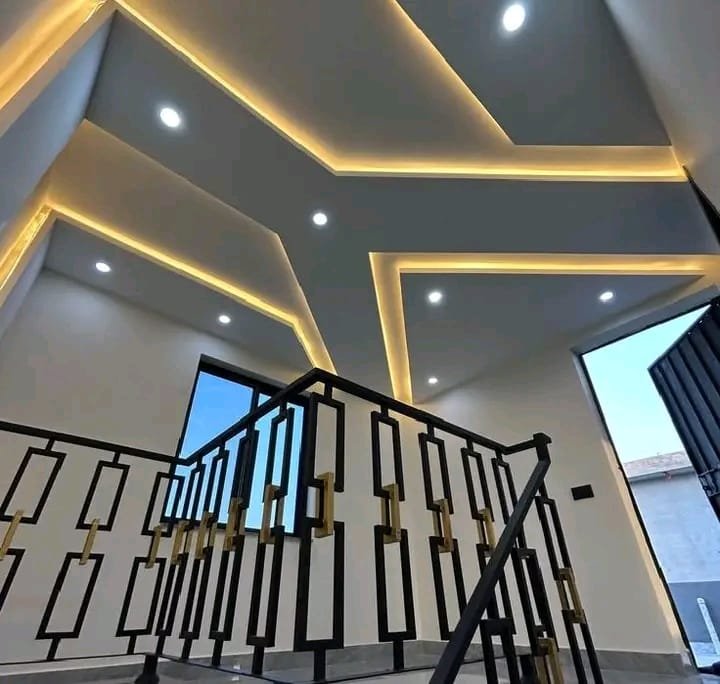
The benefits of hiring an interior designer for homeowners go far beyond making a house look beautiful. A professional interior designer can help you transform your home into a space that is functional, comfortable, personalized, organized, and visually cohesive. From maximizing every square metre and choosing the right materials to improving lighting, storage, and overall functionality, professional interior design can make your home work better for the way you live.
At SUIMAS, we provide professional interior design services in Kenya for homeowners, apartment owners, property developers, and clients renovating or upgrading their homes. Whether you have a new house, apartment, townhouse, maisonette, bungalow, or an older property that needs a complete transformation, our goal is to help you create an interior that combines your personal style with practical solutions.
So, what are the benefits of an interior designer for homeowners? The answer depends on your property and project goals. However, professional guidance can help you make informed decisions, avoid common mistakes, use your space more effectively, and create a home that feels truly yours.
What Are the Main Interior Designer Benefits for Homeowners?
Homeowners often assume that interior designers are only needed for luxury properties or expensive renovations. In reality, professional interior design can benefit a wide range of homes and budgets.
The key benefits include:
| Interior Designer Benefit | How It Helps Homeowners |
|---|---|
| Professional expertise | Provides informed design and planning guidance |
| Better space planning | Makes the most of available space |
| Improved functionality | Creates rooms that work better for daily life |
| Personalized design | Reflects your lifestyle and preferences |
| Time savings | Simplifies research and decision-making |
| Budget guidance | Helps prioritize spending |
| Fewer costly mistakes | Reduces the risk of unsuitable choices |
| Better storage | Helps keep the home organized |
| Lighting design | Improves comfort, atmosphere, and functionality |
| Material selection | Helps choose suitable finishes |
| Design concept | Creates a cohesive look throughout the home |
| Renovation planning | Helps organize complex improvements |
| Project coordination | Can simplify implementation where included |
| Modern solutions | Allows technology and convenience to be considered |
| Property appeal | May improve the overall presentation of the home |
1. An Interior Designer Creates a Home Around Your Lifestyle
One of the most important interior designer benefits for homeowners is personalization.
Your home should work for the people who live in it. A family with young children has different needs from a couple, a single professional, or a homeowner who regularly works from home.
A professional designer can consider:
- Your daily routine
- Family size
- Lifestyle
- Hobbies
- Work requirements
- Entertainment needs
- Storage requirements
- Personal preferences
- Future needs
For example, a homeowner who works remotely may benefit from a dedicated home office. Meanwhile, a family may need more practical storage, flexible living areas, and durable finishes.
Therefore, professional interior design is not simply about following trends. It is about creating an environment that supports your everyday life.
2. Maximize Every Square Metre of Your Home
Space is valuable, especially in apartments and compact homes in Nairobi and other growing Kenyan towns.
An interior designer can help you identify ways to use available space more effectively.
This may involve:
- Reorganizing furniture
- Improving circulation
- Creating custom storage
- Redesigning room layouts
- Utilizing unused corners
- Integrating built-in furniture
- Creating multi-functional spaces
A small room does not necessarily need to feel cramped. With thoughtful planning, the right furniture scale, appropriate lighting, and effective storage, the same space can become more comfortable and practical.
Consequently, one of the biggest benefits of hiring an interior designer for your home is making your existing space work harder for you.
3. Improve the Functionality of Every Room
A beautiful home should also be easy to live in.
Professional interior design considers how each room will be used.
Living Room
The layout should support relaxation, conversation, entertainment, and movement.
Kitchen
The design should consider storage, preparation areas, appliances, lighting, and efficient movement.
Bedroom
The space should provide comfort, privacy, storage, and appropriate lighting.
Bathroom
Materials, fixtures, storage, ventilation considerations, and maintenance requirements all matter.
Home Office
The design should support comfortable working, organization, lighting, and productivity.
As a result, professional design helps ensure that your home is not just attractive but also practical.
4. Get a Personalized Interior Design Concept
Another important advantage is having a clear design concept before implementation begins.
Instead of choosing every item separately, an interior designer can develop an overall direction that brings together:
- Colours
- Flooring
- Furniture
- Lighting
- Wall finishes
- Ceilings
- Materials
- Window treatments
- Storage
- Decorative elements
This creates visual consistency throughout your home.
For example, your living room, dining area, and kitchen can have individual functions while still feeling connected through coordinated colours, materials, and finishes.
Therefore, a strong interior design concept can prevent the home from feeling like a collection of unrelated rooms.
5. Avoid Costly Interior Design Mistakes
Home renovations can become expensive when decisions are made without proper planning.
Common problems include:
- Incorrect measurements
- Furniture that does not fit
- Poorly planned storage
- Unsuitable flooring
- Inadequate lighting
- Incompatible colours
- Poor material choices
- Unnecessary rework
Professional planning can help identify potential issues before implementation.
For instance, accurate measurements and careful space planning can reduce the risk of purchasing furniture or fittings that do not suit the available space.
Although hiring an interior designer is an investment, professional guidance may help reduce avoidable mistakes and unnecessary rework.
6. Save Time and Reduce Decision Fatigue
Designing a home involves countless decisions.
You may need to choose:
- Wall colours
- Flooring
- Tiles
- Lighting
- Curtains
- Furniture
- Kitchen cabinets
- Wardrobes
- Countertops
- Bathroom fittings
- Wall finishes
Researching every option independently can consume a significant amount of time.
An interior designer can help narrow down suitable choices based on your:
Budget + Style + Space + Lifestyle + Functional Needs
Consequently, you can make decisions more efficiently without becoming overwhelmed by endless options.
7. Get Better Budget Planning and Cost Control
A professional interior designer can help you understand where your budget should be prioritized.
For example, you may decide to invest more in:
- Durable flooring
- Quality kitchen hardware
- Custom storage
- Frequently used furniture
- Good lighting
At the same time, you may choose simpler solutions for decorative elements that do not require the same level of investment.
The goal is not necessarily to spend more. Instead, the goal is to make informed decisions about where your money goes.
However, the final cost of an interior project will always depend on factors such as property size, materials, labour, design complexity, and project scope.
8. Improve Storage and Reduce Clutter
Poor storage is one of the most common problems homeowners face.
Professional interior design can integrate storage into the overall design of your home.
Solutions may include:
- Built-in wardrobes
- Walk-in closets
- Kitchen cabinets
- TV units
- Floating shelves
- Display units
- Hidden storage
- Under-stair storage
- Custom shelving
As a result, you can keep everyday items organized without sacrificing the appearance of your interior.
For compact Nairobi apartments and smaller homes, smart storage can make a particularly noticeable difference.
9. Create Better Lighting for Comfort and Functionality
Lighting is often underestimated during home renovations.
Yet, the right lighting can influence how a room looks, feels, and functions.
An interior designer can help plan a combination of:
- Natural light
- Ambient lighting
- Task lighting
- Accent lighting
- Decorative lighting
For example, kitchen work areas may need effective task lighting, while living rooms may benefit from layered lighting that creates a warmer atmosphere.
Bedrooms may require softer lighting, while home offices can benefit from suitable task illumination.
Therefore, professional lighting planning is another valuable interior designer benefit for homeowners.
10. Choose the Right Materials and Finishes
Homeowners have access to a wide range of materials, finishes, and products.
However, choosing the right option can be difficult.
An interior designer can help evaluate materials based on:
| Consideration | Why It Matters |
|---|---|
| Durability | Important for high-use areas |
| Maintenance | Determines how easy surfaces are to care for |
| Appearance | Contributes to the overall design |
| Budget | Keeps choices aligned with available funds |
| Functionality | Ensures materials suit their intended use |
| Availability | Helps consider practical sourcing |
| Longevity | Supports long-term value |
For example, materials suitable for a busy kitchen may have different requirements from those used in a bedroom.
Professional advice can therefore help you balance appearance, performance, and cost.
11. Solve Awkward Layouts and Challenging Spaces
Not every home has a perfect layout.
You may have:
- Narrow rooms
- Irregular walls
- Small bedrooms
- Unused corners
- Low ceilings
- Limited storage
- Difficult furniture arrangements
An interior designer can approach these challenges creatively.
A difficult corner could become storage. A narrow wall could accommodate custom shelving. An unused area could become a workstation.
Consequently, professional design can help turn challenging spaces into useful parts of your home.
12. Make Your Kitchen More Practical and Beautiful
The kitchen is one of the most important spaces in many homes.
It needs to combine:
- Efficient layout
- Adequate storage
- Good lighting
- Durable materials
- Practical work surfaces
- Appropriate appliances
- Easy movement
Professional kitchen design can help coordinate these elements.
The result can be a kitchen that is visually attractive while also supporting everyday cooking, preparation, cleaning, and storage.
13. Design Better Bedrooms and Wardrobes
Bedrooms should provide comfort while offering sufficient storage.
An interior designer can help coordinate:
- Bed placement
- Wardrobes
- Walk-in closets
- Lighting
- Curtains
- Flooring
- Wall finishes
- Dressing areas
Custom storage can be particularly useful when standard furniture does not make the best use of available space.
14. Improve Your Bathroom Design
Bathrooms require careful consideration of functionality, finishes, storage, lighting, and maintenance.
A professional design approach can help create a bathroom that feels comfortable and cohesive while addressing practical requirements.
Depending on the project, the design may consider:
- Vanity units
- Storage
- Mirrors
- Lighting
- Wall finishes
- Flooring
- Fixtures
- Shower areas
The result can be a more organized and visually appealing space.
15. Integrate Modern Technology Into Your Home
Modern interior design can also consider technology and convenience.
Depending on your requirements and budget, a designer may help incorporate solutions such as:
- Smart lighting
- Integrated appliances
- Home office technology
- Charging points
- Entertainment systems
- Automated window treatments
The purpose is not to add technology simply because it is fashionable.
Instead, technology should support how you use your home and make everyday activities more convenient.
16. Create a More Comfortable Home
Professional interior design can contribute to a more comfortable living environment.
Thoughtful planning can consider:
- Furniture ergonomics
- Room layouts
- Lighting
- Storage
- Materials
- Colours
- Natural light
- Movement
A comfortable home should feel easy to navigate and pleasant to use.
Therefore, the value of interior design is not only visual. It can also influence the way you experience your home every day.
17. Improve the Overall Appearance of Your Home
A professional designer can help create visual harmony.
Instead of having one style in the living room and a completely different direction in the bedroom, a cohesive concept can connect different areas of your home.
This does not mean every room must look identical.
Rather, colours, textures, materials, and finishes can be coordinated to create a consistent design language.
The result is a home that feels intentional and professionally planned.
18. Get Professional Support During Home Renovations
Renovating a home often involves many decisions and different activities.
Depending on the agreed scope, an interior designer may help with design planning for:
- Flooring
- Ceilings
- Painting
- Lighting
- Electrical layouts
- Wall finishes
- Joinery
- Kitchens
- Wardrobes
- Furniture
For larger projects, project coordination may also be included.
This can provide homeowners with a clearer process and help different elements of the project work toward one design direction.
19. Benefit From Better Project Coordination
When several professionals are involved in a renovation, coordination becomes important.
Depending on the project scope, you may need to work with:
- Carpenters
- Joiners
- Painters
- Flooring installers
- Ceiling specialists
- Electricians
- Furniture makers
- Other contractors
An interior designer may help coordinate design requirements and implementation activities where this forms part of the agreed service.
This can reduce the burden on homeowners who would otherwise have to manage every detail themselves.
20. Potentially Improve Your Property’s Appeal
A well-designed home can make a strong impression.
Thoughtful improvements to kitchens, bathrooms, living areas, storage, lighting, and finishes may improve the overall presentation and functionality of a property.
This can be useful if you are:
- Living in the home
- Preparing it for rental
- Planning to sell
- Developing property
- Upgrading an investment
However, interior design does not guarantee a specific increase in property value. The impact depends on location, market conditions, property quality, workmanship, materials, and many other factors.
Still, a well-maintained and thoughtfully designed home can be more attractive to occupants and potential buyers.
21. Create a Home That Can Adapt to Future Needs
A good interior should not only serve you today.
Your needs may change over time.
You may:
- Start working from home
- Grow your family
- Need additional storage
- Change your furniture
- Convert a room
- Upgrade your technology
Professional planning can consider flexibility and future requirements.
For example, a spare room could be designed to function as both a guest bedroom and a home office.
Therefore, flexible design can help your home adapt as your lifestyle changes.
22. Make More Sustainable Interior Design Choices
Sustainability is another area where professional planning can add value.
Depending on the project, homeowners may consider:
- Durable materials
- Long-lasting furniture
- Energy-efficient lighting
- Natural light
- Efficient space utilization
- Reduced material waste
- Timeless design choices
The objective is to create a home that remains useful and attractive for longer while reducing unnecessary replacement and waste.
Interior Designer Benefits vs DIY Home Design
DIY design can be suitable for homeowners making simple decorative changes. However, professional support may be valuable when the project involves significant renovation, custom joinery, complex layouts, or multiple trades.
| DIY Design | Professional Interior Design |
|---|---|
| Homeowner makes most decisions | Designer provides expert guidance |
| Suitable for simple updates | Suitable for complex projects |
| Homeowner handles research | Designer helps narrow options |
| Higher responsibility for coordination | Coordination may be available |
| Limited planning documentation | Professional design information may be provided |
| Homeowner manages mistakes | Professional planning can reduce risks |
| Flexible for small changes | Suitable for renovations and transformations |
The right choice depends on your experience, time, budget, and the complexity of your project.
When Should a Homeowner Hire an Interior Designer?
You may benefit from hiring an interior designer if you are:
- Building a new home
- Renovating an existing house
- Remodeling an apartment
- Redesigning your living room
- Upgrading your kitchen
- Creating a home office
- Installing custom wardrobes
- Improving storage
- Redesigning bathrooms
- Planning a major interior transformation
Professional guidance is especially valuable when several design elements need to work together.
How to Choose the Right Interior Designer in Kenya
Finding the right professional is just as important as deciding to hire one.
Consider these factors before choosing an interior designer.
Review Their Portfolio
Look for projects that demonstrate experience with your preferred style and property type.
Check Their Experience
A designer who specializes in residential projects may have different expertise from one focused on commercial fit-outs.
Understand the Scope of Work
Clarify whether the service covers design only or includes visualization, sourcing, procurement, renovation, installation, or project coordination.
Discuss Your Budget
Be open about your budget from the beginning so the design direction can be planned realistically.
Ask About the Design Process
Understand how the project moves from consultation to concept, design development, implementation, and completion.
Check Communication
Choose a designer who listens to your ideas, explains recommendations clearly, and keeps communication open.
Review Client Feedback
Where available, reviews and testimonials can provide additional insight into previous client experiences.
How Much Does an Interior Designer Cost in Kenya?
The cost of hiring an interior designer varies significantly from one project to another.
Factors that can affect the final cost include:
- Size of the property
- Number of rooms
- Project complexity
- Design scope
- Materials
- Custom joinery
- Furniture
- Renovation requirements
- Location
- Labour
- Installation
- Project management
For this reason, homeowners should request a project-specific quotation rather than relying on one universal price.
To help a designer understand your requirements, provide:
- Your location
- Property type
- Approximate size
- Photos or floor plans
- Rooms you want redesigned
- Your preferred style
- Your budget range
- Your expected timeline
What Does an Interior Designer Do for Homeowners?
Depending on the project, professional interior design services may include:
- Initial consultation
- Space planning
- Site assessment
- Measurements
- Design concepts
- Mood boards
- Colour selection
- Material selection
- Lighting planning
- Furniture planning
- Kitchen design
- Wardrobe design
- Storage solutions
- 3D visualization
- Renovation planning
- Interior fit-outs
- Supplier coordination
- Installation support
- Project coordination
The exact services provided will depend on your requirements and the agreed scope of work.
Why Choose SUIMAS for Your Home Interior Design?
At SUIMAS, we understand that every homeowner has different needs.
Our approach combines creativity, functionality, and practical planning to help transform ordinary spaces into interiors that are comfortable, useful, and visually appealing.
Personalized Design Solutions
We consider your preferences, lifestyle, property, and project objectives.
Functional Space Planning
We focus on making your home practical as well as beautiful.
Custom Interior Solutions
Depending on your project, solutions may include kitchens, wardrobes, TV walls, ceilings, flooring, wall finishes, furniture, and storage.
Home Renovation Support
We can help transform existing spaces through carefully planned interior improvements.
Modern Design Ideas
We combine contemporary design approaches with practical solutions suited to your home.
Attention to Detail
From colours and finishes to lighting and storage, we aim to create a cohesive interior.
Kenya-Wide Service
We serve homeowners and clients across Kenya, including Nairobi and Mombasa.
Explore More Interior Solutions From SUIMAS
If you are planning to transform your home, explore more interior design solutions from SUIMAS:
- Interior Design Services in Kenya
- Residential Interior Design
- Interior Designers Around Me
- Home Interior Design Services
- Interior Design Company in Kenya
- Professional Interior Design Services
You can also explore additional design information through InteriorDesigners.co.ke.
Frequently Asked Questions About Interior Designer Benefits for Homeowners
What are the biggest benefits of hiring an interior designer?
The biggest benefits include better space planning, professional expertise, improved functionality, personalized design, time savings, budget guidance, better material selection, improved storage, and reduced risk of costly mistakes.
Is an interior designer worth it for a homeowner?
For many homeowners, professional interior design can add value by helping them make informed decisions, maximize available space, coordinate design elements, and create a more functional home.
Can an interior designer work with my budget?
Yes. A professional designer can help prioritize your needs and recommend solutions that align with your available budget. The final scope and material choices will determine the overall project cost.
Can an interior designer help with a small apartment?
Yes. Space planning, smart storage, furniture selection, and lighting can be particularly valuable in compact apartments.
Do I need an interior designer for a renovation?
You may benefit from professional design support when a renovation involves several rooms, structural changes, custom joinery, complex layouts, or multiple finishes and installations.
Can an interior designer help me choose furniture?
Yes. Depending on the service scope, an interior designer can help select furniture that suits the room’s size, layout, style, functionality, and overall design concept.
Can an interior designer improve my home’s value?
Professional interior design may improve the presentation, functionality, and appeal of a property. However, it cannot guarantee a specific increase in market value.
What is the difference between an interior designer and an interior decorator?
Interior design generally involves broader planning considerations such as space utilization, layouts, functionality, materials, lighting, and implementation. Interior decorating focuses more heavily on visual styling, furnishings, colours, and accessories. The exact scope varies by professional and project.
When is the best time to hire an interior designer?
Ideally, involve an interior designer early in the project, particularly when building, renovating, or remodeling. Early planning can help coordinate important decisions before implementation begins.
Contact SUIMAS for Professional Home Interior Design in Kenya
Ready to experience the benefits of hiring an interior designer for your home?
Whether you are building a new property, renovating your current home, upgrading an apartment, redesigning your kitchen, or creating a more functional living environment, SUIMAS can help you plan a cohesive interior tailored to your needs.
Call / WhatsApp: 0717 044 443
Call: 0735 255 050 | 0725 021 709
Email: info@suimas.co.ke
Email: info@interiordesigners.co.ke
Areas We Serve
SUIMAS provides professional home interior design services across all 47 counties in Kenya. We work with homeowners, apartment owners, property developers, landlords, and other clients looking to improve their living spaces.
Our services cover Nairobi, Mombasa, Kwale, Kilifi, Tana River, Lamu, Taita-Taveta, Garissa, Wajir, Mandera, Marsabit, Isiolo, Meru, Tharaka-Nithi, Embu, Kitui, Machakos, Makueni, Nyandarua, Nyeri, Kirinyaga, Murang’a, Kiambu, Turkana, West Pokot, Samburu, Trans Nzoia, Uasin Gishu, Elgeyo-Marakwet, Nandi, Baringo, Laikipia, Nakuru, Narok, Kajiado, Kericho, Bomet, Kakamega, Vihiga, Bungoma, Busia, Siaya, Kisumu, Homa Bay, Migori, Kisii, and Nyamira.
Interior Designers in Nairobi
We serve homeowners in Westlands, Kilimani, Kileleshwa, Lavington, Karen, Runda, Parklands, Riverside, Hurlingham, Loresho, Spring Valley, Kitisuru, Gigiri, Muthaiga, Lang’ata, South C, South B, Nairobi CBD, Eastleigh, Embakasi, Donholm, Buruburu, Komarock, Kasarani, Roysambu, Ruaraka, Syokimau, Utawala, Ruaka, and surrounding areas.
Interior Designers in Mombasa
Our services extend to Nyali, Bamburi, Shanzu, Mtwapa, Kisauni, Tudor, Likoni, Changamwe, Miritini, Port Reitz, Mikindani, Majengo, Mwembe Tayari, and surrounding areas.
We can also serve clients in other towns and locations throughout Kenya, depending on project requirements.