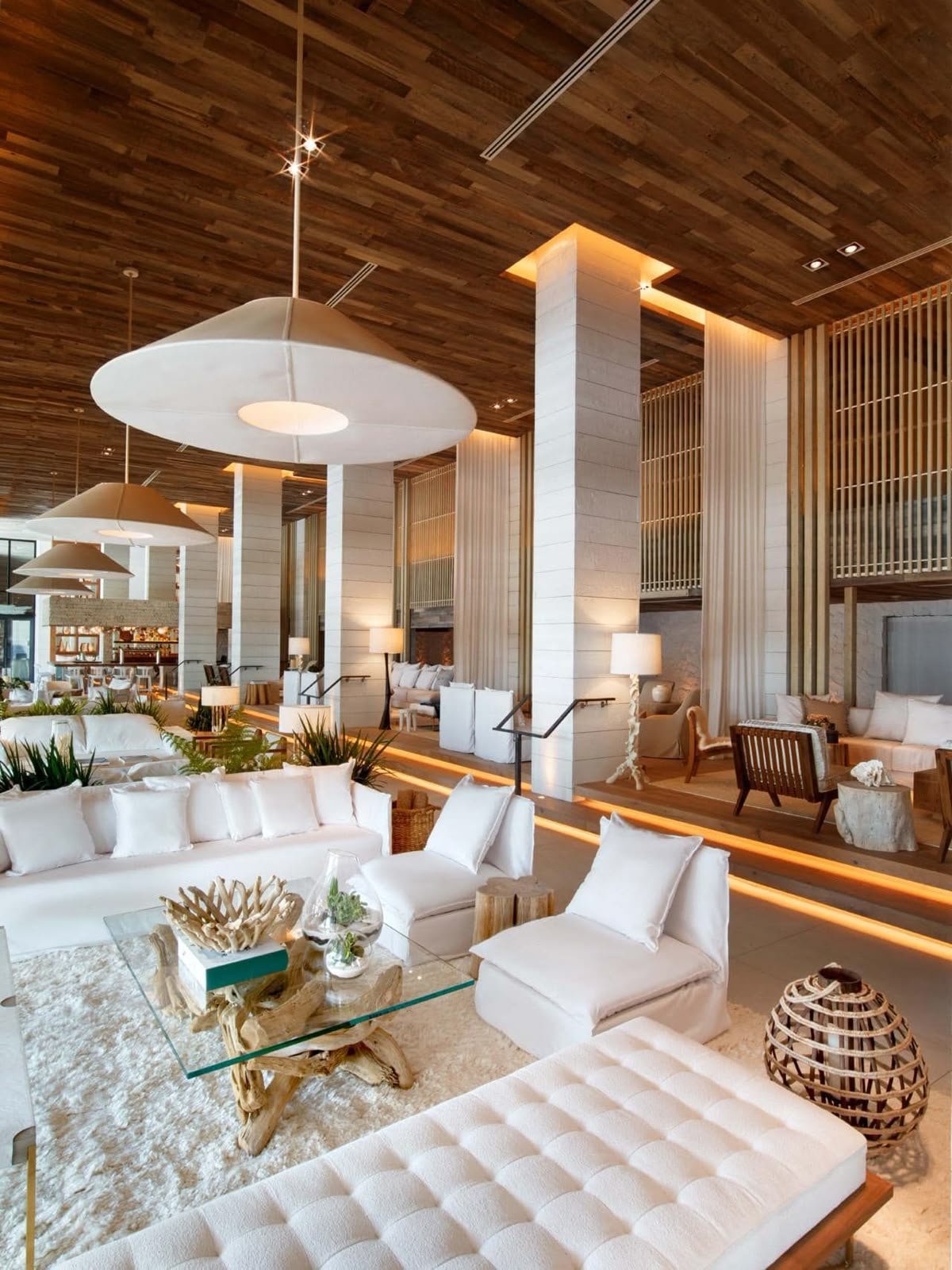
Are you building a new home, renovating your property, or planning to transform your office or commercial space? There are many reasons to hire an interior designer instead of making every design decision on your own. Professional interior design is not simply about choosing attractive colours or buying stylish furniture. It involves thoughtful space planning, functionality, materials, lighting, budgeting, coordination, and creating an environment that suits the people who use it.
At InteriorDesigners.co.ke, we help homeowners, property developers, businesses, and institutions create functional and visually appealing interiors across Kenya. Whether you need a complete home interior, office design, commercial fit-out, kitchen, wardrobe, hotel, restaurant, or renovation, professional guidance can help turn your ideas into a coordinated and practical finished space.
From the initial concept to selecting finishes and coordinating implementation, an experienced interior designer can help simplify complex decisions. Furthermore, professional planning may help you avoid certain costly mistakes while ensuring that different elements of your interior work together.
So, why hire an interior designer? Here are the key reasons to consider professional interior design for your next construction, renovation, or fit-out project.
1. Hire an Interior Designer for Professional Expertise
One of the most important reasons to hire an interior designer is access to professional knowledge and experience.
Designing a successful interior requires more than choosing items that look attractive individually. A professional considers how different elements interact with one another, including:
- Space and room proportions
- Furniture scale
- Lighting
- Colour
- Textures
- Materials
- Flooring
- Ceilings
- Storage
- Circulation
- Functionality
Consequently, an interior designer can look at the entire project rather than treating every room or feature as a separate decision.
For example, a beautiful sofa may not work well if it is too large for the room. Similarly, attractive lighting may be ineffective if it does not suit the activities taking place in the space.
Professional expertise helps bring these considerations together into a practical design.
2. An Interior Designer Helps You Make Better Use of Space
Every square metre matters.
Whether you own a compact apartment in Nairobi or a large family home in Karen, the way space is arranged can significantly affect how comfortable and functional the property feels.
An interior designer can help plan:
- Furniture layouts
- Storage
- Walkways
- Seating areas
- Workspaces
- Kitchens
- Wardrobes
- Home offices
- Entertainment areas
Moreover, difficult or underused spaces can sometimes be transformed into useful areas through creative planning.
For example, an unused corner may become built-in storage, a home office, or a reading area. Therefore, professional space planning can help you get more value from the space you already have.
3. Hire an Interior Designer to Create a Cohesive Look
Another major reason to hire an interior designer is to achieve a consistent look throughout your property.
When homeowners design each room independently, the finished property can sometimes feel disconnected. One room may have completely different colours, materials, furniture styles, and finishes from another.
An interior designer, however, can develop an overall concept that connects the spaces.
This may involve coordinating:
- Colour palettes
- Flooring
- Wall finishes
- Lighting
- Furniture
- Curtains
- Ceilings
- Joinery
- Accessories
As a result, each room can maintain its own identity while still feeling like part of the same property.
The goal is not necessarily to make every room identical. Instead, the objective is to create visual flow and design harmony.
4. Professional Interior Design Can Save You Time
Planning an interior involves hundreds of decisions.
You may need to research:
- Tiles
- Flooring
- Paint
- Lighting
- Furniture
- Curtains
- Kitchen finishes
- Wardrobes
- Bathroom fittings
- Wall treatments
- Decorative items
For a busy homeowner or business owner, managing all these choices can quickly become overwhelming.
Therefore, one of the practical reasons to hire an interior designer is to simplify the decision-making process.
A professional can help organize the design, narrow down suitable options, and establish priorities based on your requirements.
Instead of spending countless hours searching for individual products, you can work from a structured design direction.
Consequently, professional guidance can make the entire process more manageable.
5. An Interior Designer Can Help You Avoid Costly Design Mistakes
Mistakes in interior design can be expensive.
For example, you may purchase furniture that does not fit the room, choose flooring unsuitable for heavy use, or install lighting that does not work with your furniture layout.
Replacing these items later can increase your overall project costs.
An experienced interior designer can identify potential problems before implementation.
They can consider:
- Furniture dimensions
- Room proportions
- Material suitability
- Lighting requirements
- Storage needs
- Traffic flow
- Maintenance
- Long-term functionality
Although hiring a designer does not guarantee that every mistake will be eliminated, professional planning can help reduce avoidable errors.
Ultimately, the goal is to make informed design decisions before committing your money.
6. Hire an Interior Designer to Work With Your Budget
Professional interior design does not automatically mean choosing the most expensive products.
Instead, a designer can help you prioritize where your budget should go.
For example, you may decide to invest more in:
- Durable flooring
- Custom kitchen cabinets
- Quality wardrobes
- Statement lighting
- High-use furniture
Meanwhile, other elements may be selected with cost efficiency in mind.
A good design process should begin with realistic budget discussions.
Before starting your project, clarify:
- Design fees
- Scope of services
- Material costs
- Furniture budget
- Joinery costs
- Implementation expenses
- Project management requirements
Furthermore, having a clear budget can help the designer recommend solutions that align with your financial priorities.
7. An Interior Designer Brings Your Ideas to Life
You may already have a clear vision for your dream home or office.
Perhaps you have saved hundreds of ideas from social media, magazines, or design websites. However, inspiration does not always translate directly into a practical interior.
An interior designer can interpret your ideas and adapt them to your actual property.
Your preferred style can be combined with:
- Available space
- Budget
- Lifestyle
- Materials
- Lighting
- Architecture
- Functional requirements
As a result, the final design can reflect your vision while remaining practical.
The goal is not to impose someone else’s style on you. Instead, professional design should help turn your ideas into a space that works for you.
8. Interior Design Can Reflect Your Lifestyle
Your home should work around your lifestyle.
A family with young children may require durable finishes and plenty of storage. On the other hand, someone who works from home may need a dedicated office. Similarly, people who entertain regularly may benefit from carefully planned living and dining spaces.
An interior designer can ask important questions about how you use your property.
For example:
- How many people use the space?
- What activities happen in each room?
- How much storage do you need?
- Do you work from home?
- Do you entertain guests?
- What are your long-term plans?
Consequently, the design can be based on real-life needs rather than appearance alone.
9. Hire an Interior Designer for Custom Solutions
Not every property has standard dimensions.
You may have:
- Small rooms
- Awkward corners
- Uneven walls
- Limited storage
- Unusual layouts
- Narrow spaces
In such situations, standard furniture may not provide the best solution.
Professional interior design can incorporate custom solutions such as:
- Built-in wardrobes
- Walk-in closets
- Custom kitchen cabinets
- TV wall units
- Floating shelves
- Bespoke storage
- Custom furniture
Therefore, a designer can help maximize challenging spaces while maintaining a cohesive appearance.
Explore our wardrobe and custom interior solutions to discover how tailored design can improve your space.
10. An Interior Designer Helps You Visualize the Final Result
One challenge homeowners face is imagining how an empty room will look after completion.
Depending on the project, interior designers may use:
- Mood boards
- Colour palettes
- Material samples
- Floor plans
- Furniture layouts
- Design concepts
- 3D visualizations
These tools can make the proposed design easier to understand.
Consequently, homeowners may feel more confident about important decisions before construction or installation begins.
Visualization can be especially useful for larger projects where changing the design later may be difficult or expensive.
11. Hire an Interior Designer for Better Lighting Design
Lighting can dramatically influence how an interior looks and functions.
A professional design may combine:
- Natural lighting
- Ambient lighting
- Task lighting
- Accent lighting
- Decorative lighting
For instance, a kitchen requires practical task lighting, while a living room may benefit from layered lighting. Meanwhile, an office needs suitable illumination for workstations.
By coordinating lighting with furniture, ceilings, colours, and room layouts, an interior designer can help create a more functional and comfortable environment.
12. An Interior Designer Helps With Material Selection
Choosing materials can be confusing.
There are countless options for:
- Flooring
- Tiles
- Paint
- Countertops
- Cabinetry
- Wall finishes
- Ceiling materials
- Fabrics
However, the most attractive option is not always the most suitable.
A professional can help assess materials based on:
- Durability
- Maintenance
- Cost
- Appearance
- Function
- Availability
- Intended use
For example, a busy commercial space may require more durable finishes than a private bedroom.
Therefore, professional material selection can help balance beauty, performance, and practicality.
13. Hire an Interior Designer to Coordinate Construction Requirements
Interior design and construction often overlap.
Depending on the project, interior requirements may need to be considered alongside:
- Architectural plans
- Electrical work
- Plumbing
- Ceiling installation
- Flooring
- Joinery
- Painting
- Lighting
- Furniture
When these elements are planned separately, conflicts may occur.
For example, electrical points may not align with the final furniture arrangement. Similarly, ceiling designs may not accommodate the intended lighting.
Therefore, involving an interior designer early can help coordinate important requirements with the broader construction process.
For projects requiring a complete transformation, explore our interior fit-out services in Kenya for professional solutions tailored to your space.
14. An Interior Designer Can Reduce the Stress of Managing Your Project
Interior projects can involve many decisions and different specialists.
Depending on the scope, you may work with:
- Carpenters
- Joiners
- Electricians
- Painters
- Plumbers
- Flooring installers
- Curtain suppliers
- Furniture suppliers
Managing everything independently can become stressful.
Where project coordination is included in the agreed scope, an interior designer can help organize design requirements and coordinate aspects of implementation.
As a result, you can have a clearer understanding of what needs to happen and when.
However, the exact responsibilities of the designer should always be agreed upon before the project begins.
15. Professional Designers Can Help You Source Suitable Products
Finding suitable products can take considerable time.
Interior designers may have experience working with suppliers and tradespeople in areas such as:
- Furniture
- Lighting
- Flooring
- Curtains
- Joinery
- Kitchen fittings
- Wardrobes
- Decorative finishes
Depending on the designer and project, this experience may help simplify sourcing and purchasing.
Nevertheless, homeowners should always confirm whether sourcing, procurement, delivery, and installation are included in the agreed service.
16. Hire an Interior Designer for Sustainable and Long-Term Design
Modern interior design should consider more than immediate appearance.
A well-planned interior can incorporate choices that support long-term use, such as:
- Durable materials
- Energy-efficient lighting
- Natural light
- Low-maintenance finishes
- Timeless design
- Flexible furniture arrangements
Moreover, sustainable choices may help reduce unnecessary replacement and waste over time.
The most suitable solutions depend on the project’s budget, availability of materials, and performance requirements.
17. Interior Design Can Improve Comfort and Well-Being
A successful interior should feel good to live or work in.
Therefore, professional design may consider:
- Furniture ergonomics
- Lighting
- Acoustics
- Room proportions
- Circulation
- Natural light
- Material selection
- Ventilation considerations
For homeowners, this can contribute to a more comfortable environment.
Similarly, thoughtful workplace design can support productive and pleasant working conditions.
Ultimately, good interior design considers how people experience a space, not just how it photographs.
18. Hire an Interior Designer for a More Personalized Home
A professionally designed home does not have to look generic.
Your personality can be reflected through:
- Artwork
- Colours
- Textures
- Furniture
- Custom joinery
- Accessories
- Lighting
- Personal collections
An experienced interior designer can bring these elements together while maintaining balance and cohesion.
As a result, the finished property can feel uniquely yours rather than like a showroom copied from a catalogue.
19. Interior Design Can Improve Property Appeal
A well-designed property can create a stronger first impression.
This may be particularly important for:
- Homeowners
- Landlords
- Property developers
- Hotels
- Offices
- Restaurants
- Retail businesses
A thoughtfully designed interior can make spaces feel more functional, comfortable, and visually appealing.
However, interior design does not guarantee a specific increase in property value. Market conditions, location, construction quality, maintenance, and other factors also influence property value.
Nevertheless, professional interior design may contribute to the overall appeal and presentation of a property.
Why Hire an Interior Designer Instead of Doing It Yourself?
DIY interior design can be enjoyable and suitable for small projects. However, larger construction, renovation, and fit-out projects can become complicated.
Hiring a professional may be particularly beneficial when:
- You are building a new home.
- You are renovating several rooms.
- You have a large or complex property.
- You need custom furniture or joinery.
- You have limited time.
- You are unsure how to coordinate different design elements.
- You want professional space planning.
- You need help managing a design concept.
- You want to avoid certain costly mistakes.
Therefore, the decision depends on the size of your project, your experience, your available time, and the level of support you need.
What Does an Interior Designer Do?
An interior designer may provide a range of services depending on the project.
These can include:
- Initial consultation
- Space planning
- Interior concept development
- Furniture layouts
- Colour selection
- Material selection
- Lighting concepts
- Kitchen design
- Wardrobe design
- Custom joinery
- Ceiling design
- Flooring selection
- Wall treatments
- 3D visualization
- Design documentation
- Supplier recommendations
- Implementation coordination
- Project management
Before hiring a designer, always clarify exactly which services are included in the agreement.
Our Interior Design Process
At InteriorDesigners.co.ke, we believe a clear process helps create better results.
Step 1: Consultation
We discuss your property, goals, preferences, requirements, and budget.
Step 2: Space Assessment
We consider the existing space, layout, dimensions, and functional requirements.
Step 3: Concept Development
We develop a design direction based on your lifestyle, brand, preferences, and project objectives.
Step 4: Space Planning
Furniture, circulation, storage, and functional zones are carefully considered.
Step 5: Materials and Finishes
We help establish suitable options for flooring, walls, ceilings, joinery, and other interior elements.
Step 6: Design Development
The concept is refined into a more detailed direction for implementation.
Step 7: Implementation
Depending on the agreed scope, the approved design can move into renovation, fit-out, installation, or other implementation stages.
Step 8: Completion
The finished space is reviewed to ensure the design direction has been achieved.
Reasons to Hire an Interior Designer for Different Projects
Reasons to Hire an Interior Designer for a New Home
A new home gives you the opportunity to plan the interior from the beginning.
Professional interior design can help coordinate:
- Room layouts
- Kitchens
- Wardrobes
- Lighting
- Flooring
- Ceilings
- Storage
- Furniture
Therefore, involving a designer early can help create a more coordinated result.
Reasons to Hire an Interior Designer for Home Renovation
Renovations often involve working with existing structures and limitations.
A professional can help you identify opportunities to improve:
- Space utilization
- Storage
- Lighting
- Finishes
- Kitchens
- Bathrooms
- Living spaces
Furthermore, a clear design concept can help prevent the renovation from becoming a collection of unrelated changes.
Reasons to Hire an Interior Designer for an Office
An office should support the people who work there.
Interior design can help consider:
- Workstations
- Meeting rooms
- Reception areas
- Storage
- Collaboration spaces
- Lighting
- Brand identity
As a result, the workplace can become more functional and aligned with the organization’s needs.
Reasons to Hire an Interior Designer for a Commercial Space
Restaurants, hotels, retail shops, and other commercial properties need interiors that support both operations and customer experience.
Professional design can help integrate:
- Branding
- Customer movement
- Furniture
- Lighting
- Materials
- Functionality
Consequently, the interior can support the property’s overall business objectives.
How Much Does It Cost to Hire an Interior Designer in Kenya?
The cost of hiring an interior designer varies depending on the project.
Factors may include:
- Property size
- Project location
- Number of rooms
- Design complexity
- Scope of services
- Materials
- Custom furniture
- Joinery
- Renovation requirements
- Project management
Therefore, there is no universal price that applies to every project.
At InteriorDesigners.co.ke, we recommend discussing your requirements first so that the scope of work and expected costs can be clearly established.
How to Choose the Right Interior Designer in Kenya
Before hiring an interior designer, consider:
Experience
Look for experience relevant to your type of project.
Portfolio
Review previous projects to understand the designer’s capabilities and style.
Communication
Choose someone who listens to your requirements and explains the design process clearly.
Scope of Work
Understand exactly what services are included.
Budget
Discuss your budget and design fees before starting.
Timeline
Establish realistic expectations about project milestones.
Coordination
If you require implementation support, clarify whether project coordination is included.
Ultimately, the best interior designer is one who can combine your vision with professional expertise and practical solutions.
Why Choose InteriorDesigners.co.ke?
At InteriorDesigners.co.ke, we believe successful interior design should combine:
Functionality + Creativity + Comfort + Quality + Practicality
We work with homeowners, developers, businesses, and property owners seeking professional interior solutions in Kenya.
Our approach focuses on understanding your requirements before developing solutions that suit your space and intended use.
Whether you are building a new house, renovating an apartment, designing an office, fitting out a restaurant, or transforming a commercial property, our team can help you explore suitable interior design solutions.
We also provide access to broader property and renovation solutions through SUIMAS.co.ke, helping clients explore additional services related to interior transformation and property improvement.
Explore More Interior Solutions
Discover more services and solutions from our interior design network:
- Interior Design Services in Kenya
- Contact Our Interior Design Team
- SUIMAS – Interior Design and Property Solutions
Frequently Asked Questions About Hiring an Interior Designer
Is hiring an interior designer worth it?
For many homeowners and businesses, professional interior design can provide valuable expertise, better planning, and a more cohesive result. The value depends on the project’s size, complexity, and the level of support required.
What is the main reason to hire an interior designer?
The main reason is to combine professional expertise with your personal vision to create a space that is functional, comfortable, cohesive, and suited to your needs.
Can an interior designer save me money?
An interior designer cannot guarantee savings. However, professional planning may help reduce certain costly mistakes and assist with prioritizing your budget.
Can an interior designer manage my entire project?
Some designers offer project management or implementation coordination, while others focus only on design. Always confirm the scope of services before signing an agreement.
Should I hire an interior designer before construction?
Ideally, yes. Early involvement can help coordinate interior requirements with architectural and construction decisions.
Can an interior designer work with my existing furniture?
Yes. Depending on the project, existing furniture can be incorporated into the new design where it fits the overall concept and functional requirements.
Does an interior designer only work on luxury homes?
No. Interior designers can work on homes, apartments, offices, shops, restaurants, hotels, and other spaces across different project sizes and budgets.
Contact InteriorDesigners.co.ke Today
Planning a new home, renovation, office, or commercial interior project?
There are many reasons to hire an interior designer, but the most important is having a professional partner who can help turn your ideas into a space that works for your lifestyle, business, budget, and long-term needs.
Instead of making hundreds of design decisions alone, get professional guidance from concept development and space planning to materials, finishes, and implementation.
Call / WhatsApp: 0717 044 443
Call: 0735 255 050 | 0725 021 709
Email: info@interiordesigners.co.ke
Email: shop@interiordesigners.co.ke
Contact InteriorDesigners.co.ke today to discuss your interior design project.
Areas We Serve
We provide professional interior design, renovation, and fit-out solutions across all 47 counties in Kenya, serving homeowners, property developers, businesses, institutions, and investors.
Our service areas include Nairobi, Mombasa, Kwale, Kilifi, Tana River, Lamu, Taita-Taveta, Garissa, Wajir, Mandera, Marsabit, Isiolo, Meru, Tharaka-Nithi, Embu, Kitui, Machakos, Makueni, Nyandarua, Nyeri, Kirinyaga, Murang’a, Kiambu, Turkana, West Pokot, Samburu, Trans Nzoia, Uasin Gishu, Elgeyo-Marakwet, Nandi, Baringo, Laikipia, Nakuru, Narok, Kajiado, Kericho, Bomet, Kakamega, Vihiga, Bungoma, Busia, Siaya, Kisumu, Homa Bay, Migori, Kisii, and Nyamira.
In Nairobi, we serve areas including Westlands, Kilimani, Kileleshwa, Lavington, Karen, Runda, Parklands, Riverside, Hurlingham, Loresho, Spring Valley, Kitisuru, Gigiri, Muthaiga, Lang’ata, South C, South B, Nairobi CBD, Eastleigh, Embakasi, Donholm, Buruburu, Komarock, Kasarani, Roysambu, Ruaraka, Syokimau, Utawala, Ruaka, and surrounding areas.
In Mombasa, our service areas include Nyali, Bamburi, Shanzu, Mtwapa, Kisauni, Tudor, Likoni, Changamwe, Miritini, Port Reitz, Mikindani, Majengo, Mwembe Tayari, and surrounding areas.
For projects outside these areas, contact our team to discuss your specific requirements and location.