The Complete Guide to
House Renovation
in Kenya
Everything you need to plan, budget, and execute a successful home renovation — from a single-room refresh to a full property transformation. Updated for 2026.

House renovation in Kenya is booming. Rising property values in Nairobi, Mombasa, Kisumu, Nakuru, and Eldoret are pushing more homeowners and investors to renovate rather than relocate. Whether you own a maisonette in Karen, an apartment in Kilimani, or a bungalow in Nakuru, a well-planned renovation can transform how you live — and what your property is worth.
This pillar guide covers everything: what home renovation actually involves in Kenya, how much it costs in 2026, how to choose the right contractor, what the process looks like step by step, and how to avoid the costly mistakes that trip up most homeowners.
1. What Is House Renovation?
House renovation — also called home renovation, residential renovation, or property renovation — is the process of improving, refreshing, or updating an existing property without necessarily changing its structure. It covers a wide spectrum: from a fresh coat of paint and new flooring in a single bedroom, all the way to a complete interior overhaul of every room in a family home.
Renovation is distinct from remodeling (which involves structural changes like removing walls or adding rooms) and new construction. It works with what exists and makes it better — better looking, better functioning, better suited to how you live today.
In Kenya, the most common types of home improvement projects include:
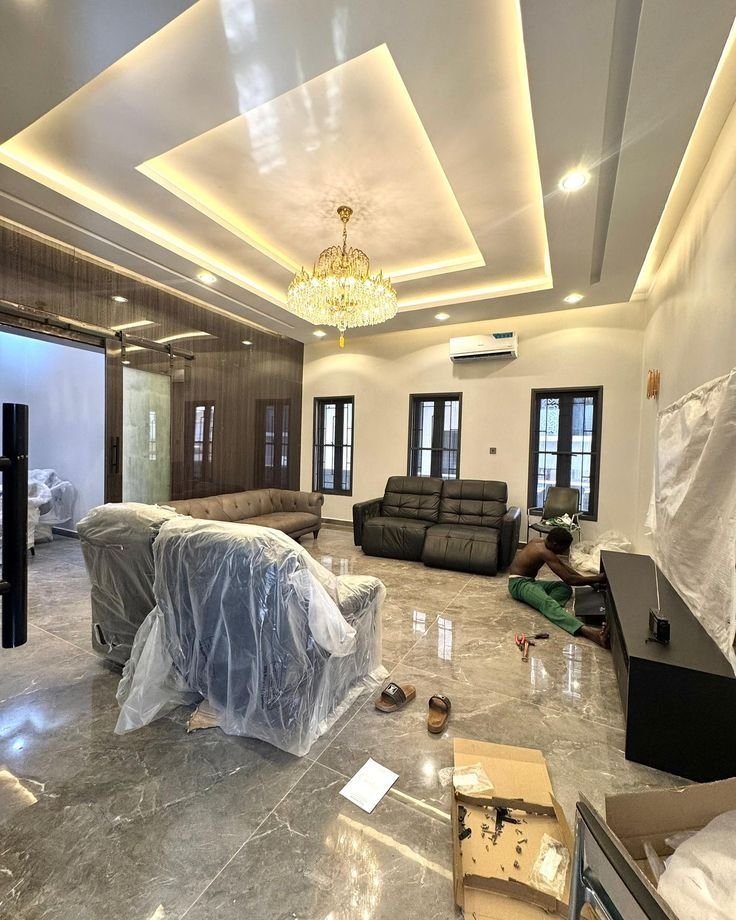
- Living room renovations — new ceilings, flooring, wall finishes, and furniture layouts
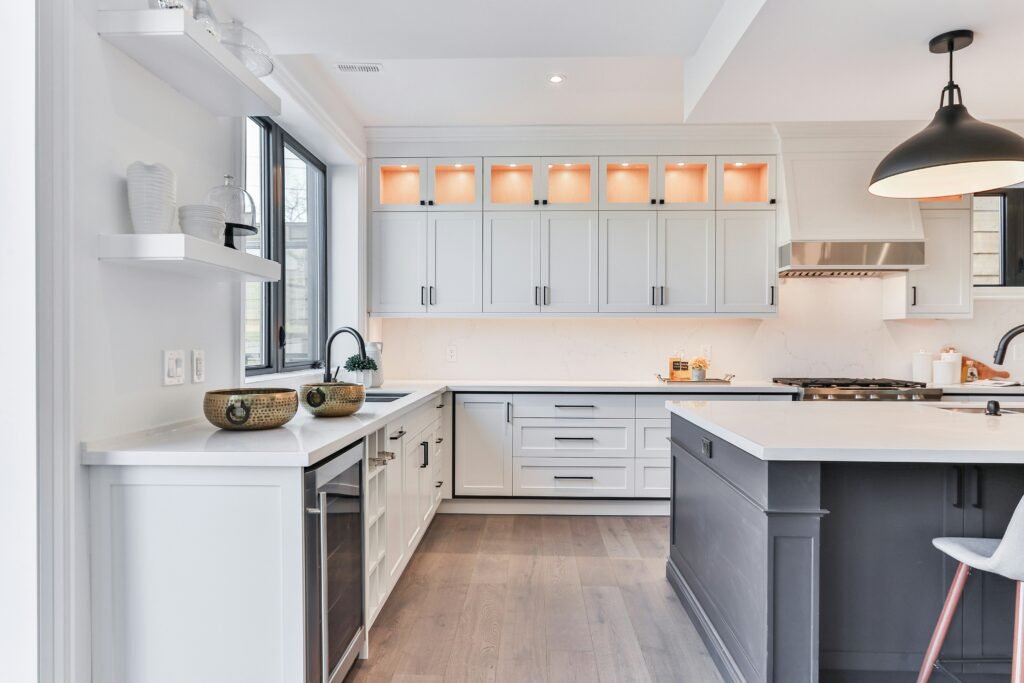
- Kitchen renovations — cabinet replacements, worktop upgrades, tiling
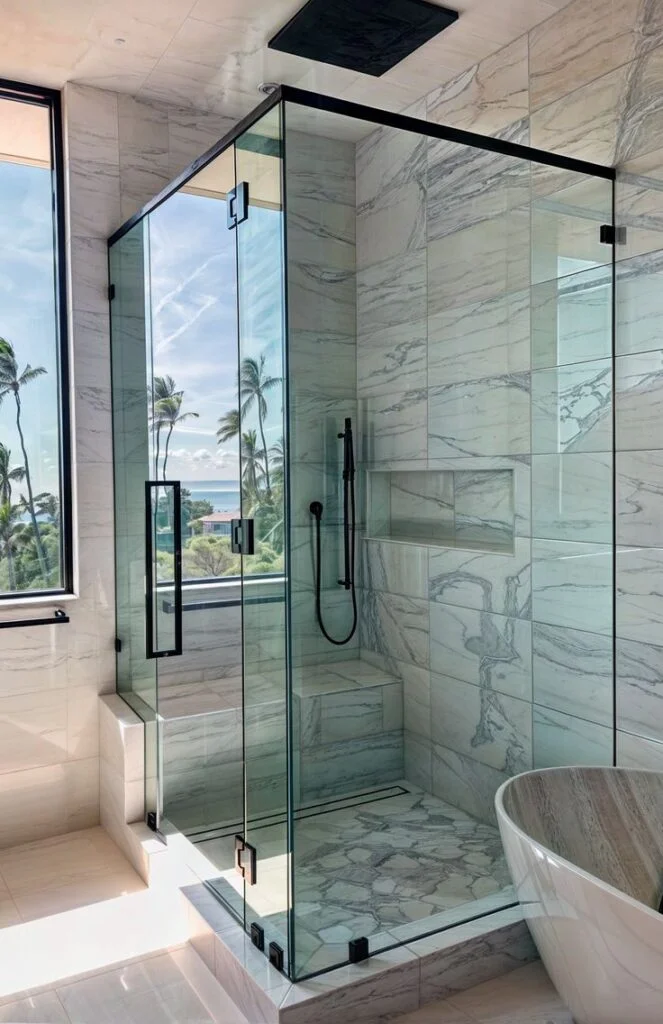
- Bathroom renovations — retiling, vanity units, shower installations
- Bedroom renovations — fitted wardrobes, ceiling designs, painting
- Full house renovation — all rooms tackled as a single project
- Exterior and façade renovation — painting, cladding, landscaping
2. Types of House Renovation in Kenya
Not all renovation projects are the same in scope, cost, or disruption. Here’s a breakdown of the main categories:
Surface & Cosmetic Renovation
The lightest form of renovation — it changes what you see without touching anything structural or functional. This includes repainting walls, installing new ceiling boards, replacing floor tiles or vinyl, and refreshing fixtures like light fittings, door handles, and taps. Perfect for rental properties, newly purchased houses, or homeowners who want a fresh look at a manageable cost.
Room-Specific Renovation
One room at a time. Kitchen, bathroom, master bedroom — each is tackled as a contained project. This approach spreads the cost over time and causes minimal disruption to daily life. Most Kenyan homeowners begin with the kitchen or master bathroom, as these have the highest return on investment for resale or rental value.
Full House Renovation
Every room is renovated as part of a single coordinated project. This is the most cost-efficient approach for comprehensive transformations because the contractor, materials procurement, and design are handled as one unified scope. Full house renovations in Kenya typically take four to ten weeks depending on the size of the property and scope of works.
Rental Property Renovation
Property renovation for rental purposes focuses on durability, easy maintenance, and broad aesthetic appeal rather than personal taste. The goal is to maximise rental yield and reduce vacancy periods. Suimas handles renovation projects for landlords across Kenya, including apartment blocks in Nairobi and beachfront properties in Mombasa.
3. House Renovation Costs in Kenya (2026)
Cost is the most searched aspect of any renovation project — and the most variable. Prices in Kenya depend on the scope of work, the quality of materials specified, the location of the property, and the contractor you choose. The figures below represent realistic market ranges for 2026.
| Project | Estimated Cost (KES) | Timeframe | Key Inclusions |
|---|---|---|---|
| Single bedroom renovation | 80,000 – 250,000 | 1–2 weeks | Flooring, ceiling, paint, wardrobe |
| Kitchen cabinet replacement | 120,000 – 700,000 | 1–2 weeks | Cabinets, worktop, backsplash tiles |
| Bathroom full refurbishment | 100,000 – 450,000 | 1–2 weeks | Tiles, vanity, shower, plumbing fittings |
| Living room renovation | 150,000 – 600,000 | 2–3 weeks | Ceiling, flooring, wall finishes, TV unit |
| Gypsum ceiling installation | 40,000 – 180,000 | 3–5 days | Design, board, joints, paint, lights |
| Full house renovation (3 bed) | 500,000 – 1.8M | 5–10 weeks | All rooms: floors, ceilings, walls, joinery |
| Full house renovation (5 bed) | 1.2M – 4M+ | 8–16 weeks | Premium finishes, full scope |
| Exterior painting & facade | 80,000 – 350,000 | 1–2 weeks | Surface prep, primer, paint |
| 3D render (before works) | 15,000 – 50,000 | 3–5 days | Photorealistic room-by-room preview |
These are indicative ranges. The single biggest driver of cost after scope is materials quality — the gap between entry-level and premium tiles, for example, can double the cost of a bathroom renovation. Always ask your contractor for separate material and labour quotes so you can see exactly where your money goes.
What Affects Renovation Costs in Kenya?
- Scope: More rooms, more finishes, more complexity = higher cost
- Materials specification: Entry-level vs mid-range vs premium finish materials
- Location: Nairobi CBD and affluent suburbs command slightly higher labour rates than upcountry towns
- Access and site conditions: High-rise apartments, tight spaces, or old buildings with unforeseen issues
- Season: Demand peaks in January–March and July–September — booking early often secures better rates
4. Room-by-Room Renovation Guide
Living Room Renovation
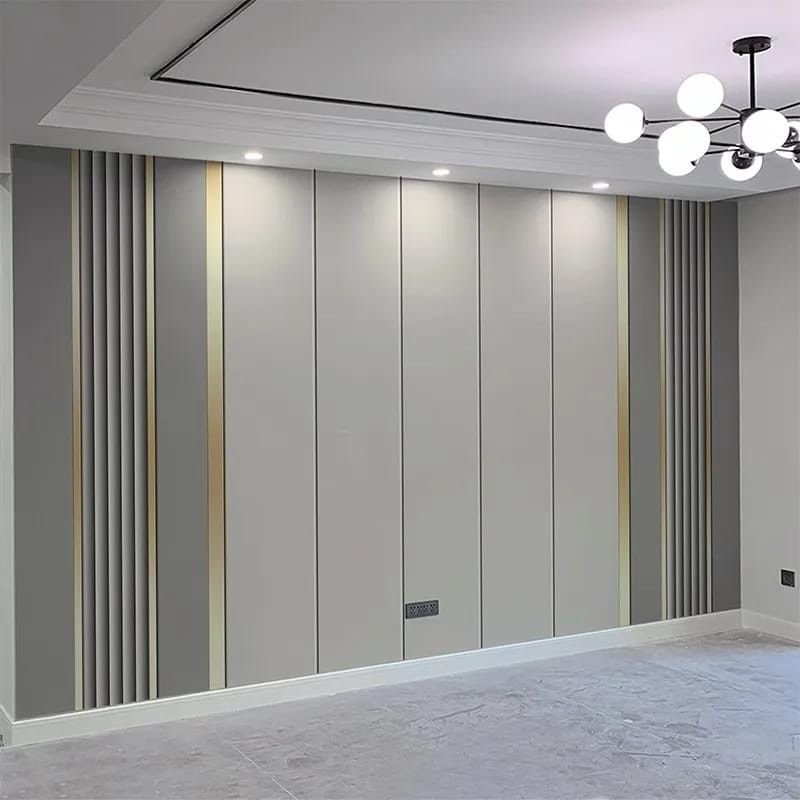
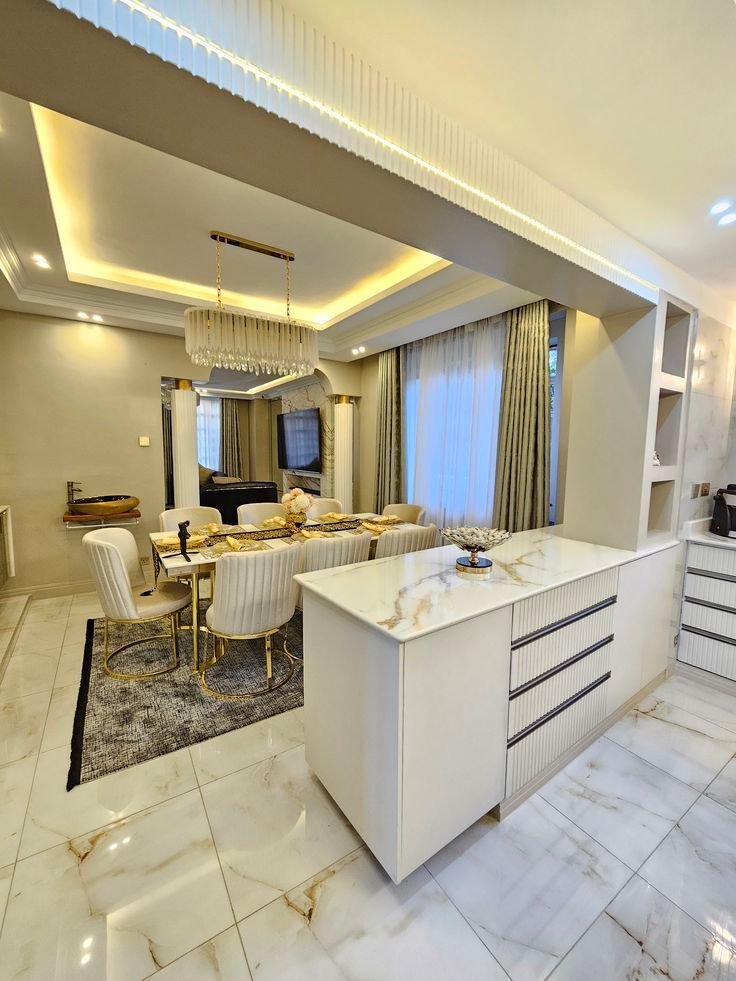
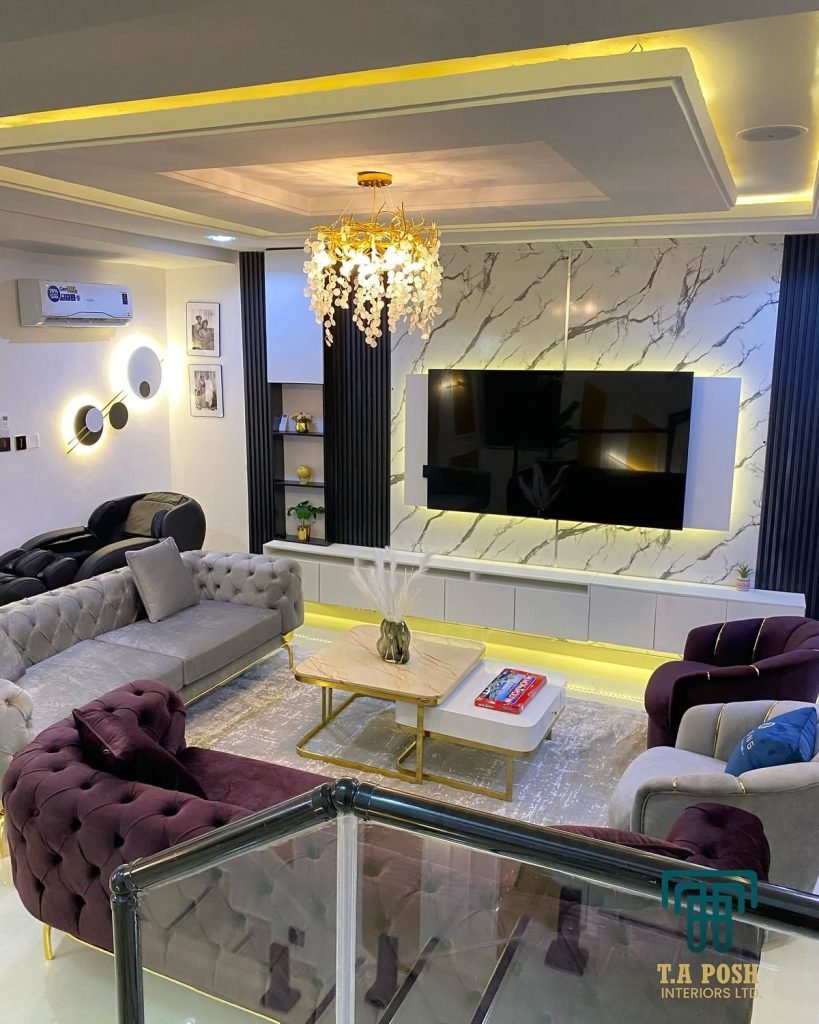
The living room is usually the first room guests see and the space where your family spends the most time — making it the highest-impact renovation project in any home. A modern living room renovation in Kenya typically covers a new gypsum or POP ceiling with integrated lighting, new flooring (tiles, vinyl plank, or engineered wood), a feature wall (fluted panels, wainscoting, or textured paint), and a custom TV unit with storage.
The result? A space that looks like it belongs in an interiors magazine rather than the same house you’ve lived in for years.
Kitchen Renovation
Kenya’s kitchen renovation market has exploded as homeowners move from basic built-in units to custom-designed cabinetry with soft-close hinges, built-in appliances, quartz or granite worktops, and under-cabinet lighting. A kitchen renovation adds significant value — both to your daily cooking experience and to your property’s resale or rental price.
Key decisions: cabinet material (PVC, MDF, or solid wood), door style (handleless push-to-open vs handle bar), worktop material (ceramic tiles, quartz, granite, or compact laminate), and backsplash design.
Bathroom Renovation
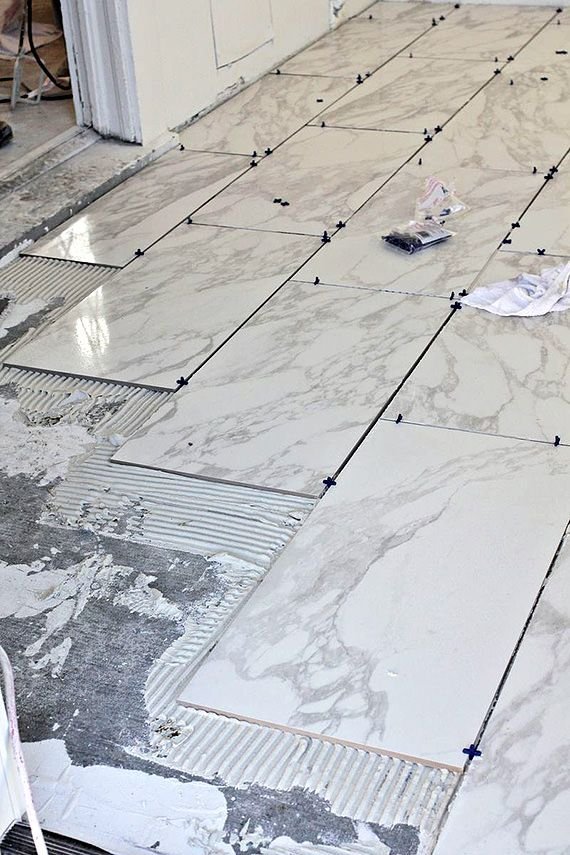
Bathroom renovations are among the most consistent ROI performers in Kenyan property. A dated bathroom with cracked tiles, an old cistern toilet, and a basic shower head can be transformed into a sleek wet room with large-format porcelain tiles, a wall-hung vanity unit, a frameless glass shower cubicle, and a modern rainfall showerhead — all for KES 150,000–400,000 depending on specification.
Bedroom Renovation
A bedroom renovation in Kenya typically combines a new ceiling design (often with a cove light detail), new flooring, a feature wall behind the bed headboard, and a custom fitted wardrobe. The wardrobe is often the single most transformative element — a well-designed sliding-door or hinged wardrobe with an organised interior replaces a clutter of freestanding furniture and gives the room a hotel-suite quality.
Ceiling & Lighting
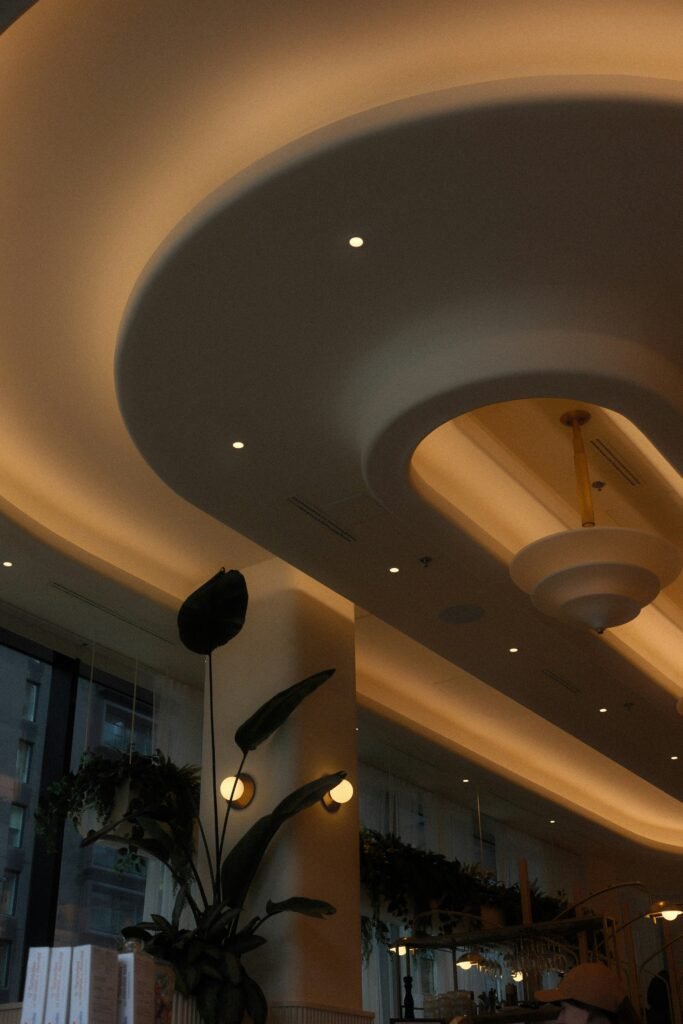
Gypsum ceilings are one of the most popular renovation elements in Kenya — and for good reason. A well-designed ceiling with integrated LED lighting can completely change the atmosphere of a room without touching the floor, walls, or furniture. Popular styles include tray ceilings, coffered ceilings, cove lighting designs, and suspended cloud panels. Costs range from KES 40,000 for a simple bedroom ceiling to KES 180,000+ for a complex living room design with multiple levels and concealed lighting tracks.
5. The Renovation Process: Step by Step
Understanding the renovation process before you start protects you from surprises, budget overruns, and schedule slippage. Here’s what a professional house renovation looks like from start to finish:
The 3D render stage is not optional — it’s insurance. Every shilling spent on design before construction saves ten during it.
— Suimas Interior Designers, Nairobi6. How to Choose a Renovation Contractor in Kenya
The contractor you hire will determine the quality, timeline, and stress level of your renovation more than any other single factor. Kenya’s construction and interior design sector includes both highly professional firms and informal operators who can leave projects unfinished, over-budget, and poorly executed.
Here’s what to look for when choosing a home renovation contractor in Kenya:
- A verifiable portfolio of completed projects — ask to see photos and, if possible, visit a site
- Client references you can actually call, not just WhatsApp screenshots
- A formal written quotation that separates labour and materials
- A signed contract with scope, timeline, payment schedule, and defects liability
- Professional indemnity and the ability to provide receipts for all materials purchased
- A dedicated site supervisor who attends daily — not a distant “manager” who checks in weekly
- 3D renders or design drawings produced before any demolition begins
- Clear communication — fast response, clear answers, proactive progress updates
Be cautious of contractors who demand full payment upfront, cannot provide a written quotation, have no portfolio to share, or give vague answers about materials they’ll use. A legitimate renovation firm will welcome scrutiny — it’s a sign of confidence in their work.
7. Best Time to Renovate in Kenya
Kenya has two dry seasons — January to March, and June to September — and two rainy seasons. The dry seasons are generally the best time for renovation, particularly for:
- Exterior work — painting, façade cladding, waterproofing, roofing
- Concrete and screed work — drying times are significantly longer during rainy seasons
- Deliveries — unpaved access roads can become impassable in heavy rain
Interior renovation — painting, tiling, ceiling installation, cabinet fitting — can proceed year-round, but expect slight delays in wet seasons as materials take longer to dry and cure.
The busiest booking periods for renovation contractors in Kenya are January–March (post-holiday, post-New Year resolutions) and July–August (mid-year dry season). Booking at least 4–6 weeks ahead during these periods is advisable. The quieter months of April–May and October–November often come with faster availability and occasionally better rates.
8. Permits & Regulations for House Renovation in Kenya
Most interior renovation work — painting, flooring, ceilings, kitchen cabinets, bathroom tiling — does not require a county government permit in Kenya. However, certain categories of work do:
- Structural alterations: Removing or adding walls, particularly load-bearing walls
- Extensions: Adding new rooms or extending the existing footprint of the building
- Major plumbing changes: Relocating waste stacks or drainage lines may require a NCA (National Construction Authority) notification
- Electrical rewiring: Full rewiring projects may require Kenya Power notification and inspection
For any project involving structural work, your contractor should advise on permit requirements upfront, help with the application process, and ensure all works are done to building code. Projects in estate developments (gated communities, apartments) often have additional estate management approvals required before works can begin.
9. Return on Investment: Does Renovation Pay Off?
Home improvement in Kenya typically delivers strong returns, particularly in high-demand urban and peri-urban markets. The data from Nairobi, Mombasa, and Kisumu consistently shows:
| Renovation Type | Estimated ROI on Resale | Impact on Rental Yield |
|---|---|---|
| Full interior renovation | 120–180% of cost | +20–35% increase |
| Kitchen renovation | 150–200% of cost | +10–20% increase |
| Bathroom renovation | 130–180% of cost | +8–15% increase |
| Ceiling & lighting | 100–130% of cost | +5–10% increase |
| Flooring replacement | 100–140% of cost | +5–12% increase |
| Exterior painting | 90–120% of cost | Reduces vacancy rate |
These figures vary by location, property type, and quality of workmanship. Premium finishes in high-value suburbs (Karen, Runda, Lavington, Nyali) tend to generate stronger absolute value uplift. Entry-level finishes in high-demand rental markets (South B, Pipeline, Kasarani, Ruaka) tend to generate stronger yield improvements.
10. Common Renovation Mistakes to Avoid
- Skipping the 3D render: Starting construction before seeing a visual representation of the outcome leads to costly mid-project changes and disappointment.
- Hiring on price alone: The cheapest quote usually means cheaper materials, less experienced labour, or a padded-back scope. Get three quotes and compare them line by line.
- No written contract: Verbal agreements are unenforceable. A signed contract with clear scope, timeline, and payment schedule protects both parties.
- Underestimating contingency: Budget an additional 10–15% of your total renovation cost as contingency for unforeseen conditions discovered once demolition starts.
- Buying materials yourself without professional input: Well-intentioned homeowners sometimes buy tiles, paint, or fixtures that don’t match the design, are the wrong quantity, or are incompatible with the existing substrate.
- Ignoring the ceiling: Floors and walls get most of the attention, but the ceiling dramatically affects how a room feels. A dated or damaged ceiling undermines any floor or wall renovation.
- Over-personalizing for resale: If you’re renovating primarily to sell or let, stick to classic, broad-appeal finishes rather than very personal choices that may deter future buyers or tenants.
Frequently Asked Questions
Answers to the questions Kenyan homeowners ask most about house renovation.
How much does house renovation cost in Kenya?
A single-room renovation typically costs between KES 80,000 and KES 350,000. A full 3-bedroom house renovation ranges from KES 500,000 to KES 1.8 million depending on scope and finish quality. A 5-bedroom property with premium finishes can run KES 2–4 million or more. The best way to get an accurate figure is a free site visit and written quotation from a professional contractor like Suimas.
How long does a full house renovation take in Kenya?
A full 3-bedroom house renovation typically takes 5–10 weeks with a professional contractor. Single-room projects take 1–3 weeks. Timeline depends on scope, materials availability, and site conditions. Delays are most commonly caused by late material deliveries — a problem that a well-organised contractor pre-empts by procuring everything before works begin.
Do I need county permits for house renovation in Kenya?
Most interior renovation work — painting, flooring, ceilings, bathroom tiling, kitchen cabinets — does not require county permits. Structural work (removing walls, adding rooms, extending the building) typically requires county government approval before works begin. Your contractor should advise you on a project-by-project basis.
Can I live in my house during renovation?
For single-room or limited scope projects, yes — many homeowners stay in place. For full house renovations, the disruption from dust, demolition noise, and workers moving through the property makes alternative accommodation strongly advisable during the main works phase (typically the first 3–5 weeks). Your contractor can advise on the best approach for your specific scope.
How do I find a reliable renovation contractor in Nairobi?
Look for a company with a verifiable portfolio of completed projects, client references you can call, and a formal written quotation. Suimas Interior Designers has completed over 3,000 projects across Kenya over 18+ years and offers free consultations. Contact us via WhatsApp on 0717 044 443 or visit our offices at Solar House, Fourth Floor, Nairobi CBD.
What is the best type of flooring for home renovation in Kenya?
The most popular flooring choices in Kenyan residential renovation are ceramic or porcelain tiles (extremely durable, easy to maintain, wide range of styles), SPC vinyl plank (waterproof, warm underfoot, ideal for bedrooms), and laminate (affordable, wood-look finish). Engineered wood is increasingly popular for bedrooms and studies in higher-end properties. Each has different performance characteristics — your designer should recommend based on the room’s use and your budget.
Does Suimas operate outside Nairobi?
Yes. Suimas Interior Designers operates across all 47 counties in Kenya — including Mombasa, Kisumu, Nakuru, Eldoret, Thika, Nyeri, Meru, Malindi, and beyond. Contact us to discuss your project regardless of location.
Renovation Services We Offer
From single rooms to full property transformations — every scope of house renovation handled by one team.
Ready to Start Your House Renovation?
Tell us what you’re planning. We’ll visit the site, assess the scope, and give you a written quote — completely free. We cover all 47 counties.
