Wood adds warmth, texture and natural character to an interior. From kitchen cabinets and bedroom wardrobes to flooring and decorative wall panels, the right wood tone can make a space feel welcoming and well coordinated.
However, mixing wood finishes without a clear plan can make a room look inconsistent. Understanding colour undertones, contrast and the role of each surface will help you create a balanced interior.
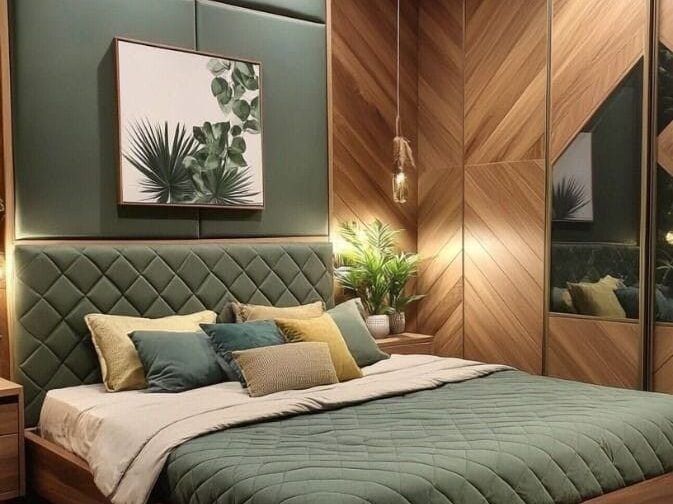
Understanding the Main Wood Tones
Light wood tones: Pale oak, ash and maple-inspired finishes can make a room feel bright and contemporary. They work well in compact spaces and minimalist interiors.
Medium wood tones: Honey, warm brown and walnut-inspired finishes are versatile options that pair well with many neutral palettes.
Dark wood tones: Deep walnut, wenge and dark mahogany-inspired finishes can create a dramatic, formal appearance. They are particularly effective when balanced with lighter walls and adequate lighting.
Red and warm-toned woods: These introduce richness and character but should be coordinated carefully with nearby flooring, furniture and wall colours.
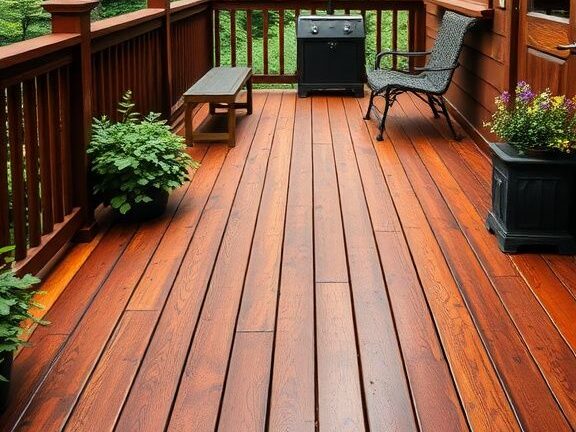
Kenyan timber species, including mvule and mahogany, have their own grain patterns and colour variations. The appearance also depends on the finish, treatment and source of the material.
How to Mix Wood Tones Without Clashing
Follow these practical principles:
- Choose a dominant tone. Let the floor, cabinetry or another major surface establish the palette.
- Match undertones. Warm woods generally work well together, as do cooler or ash-toned finishes.
- Create contrast. Choose furniture that is noticeably lighter or darker than the floor instead of allowing every surface to blend together.
- Repeat finishes. Use each secondary tone more than once so the combination feels deliberate.
- Introduce other materials. Stone, metal, fabric and beige interiors can break up large areas of timber.
- Keep the palette controlled. Two or three related wood tones are usually easier to coordinate than many competing finishes.
Where to Use Wood in Interior Design
Wood flooring
Flooring is often the largest wood-effect surface in a room, so choose it early in the design process. Options include solid timber, engineered wood, laminate and wood-effect SPC or vinyl flooring.
Each material has different installation, maintenance and moisture-resistance requirements. Explore floor installation services, vinyl flooring installation, our flooring guide for Kenyan homes and mkeka wa mbao costs.
Timber feature walls
Wood slats, fluted panels and decorative cladding can add depth to living rooms, bedrooms and reception areas. Use them selectively where texture can improve the overall design.
See wall cladding and wainscoting installation, fluted panels and wainscoting and our guide to wall cladding in Kenya.
Kitchen cabinets and wardrobes
Wood-effect finishes can soften contemporary kitchens and bedrooms. Timber-grain laminate offers an alternative to natural timber, with cost and maintenance depending on the product and board specification.
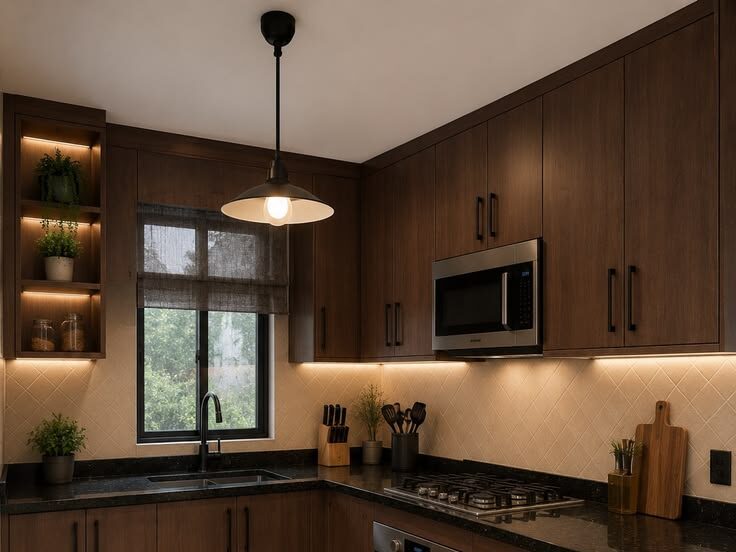
Explore kitchen cabinets, wardrobes and joinery, modern wardrobe designs and matte laminate wardrobes.
Ceilings and living spaces
Timber accents can add warmth to a gypsum ceiling or create a focal point above a dining or seating area. See gypsum ceilings and integrated lighting.
Wood Tones for Different Rooms
- Living room: Combine medium wood tones with neutral fabrics for a welcoming atmosphere.
- Bedroom: Light or medium finishes can support a calm, restful scheme.
- Kitchen: Pair wood-effect lower cabinets with lighter upper cabinets or contrasting worktops.
- Cafés and restaurants: Timber finishes can add warmth and visual interest. Explore coffee shop interior design.
Solid Timber, Veneer or Wood-Effect Finishes?
Solid timber offers natural grain and can often be refinished, but it requires appropriate treatment and maintenance. Veneer uses a real wood surface over a substrate, while laminate provides a printed or textured decorative finish.
Wood-effect SPC and vinyl may suit areas where moisture resistance is important, subject to the manufacturer’s specifications and installation requirements.
The best choice depends on the location, expected use, budget and maintenance requirements.
Plan Your Wood Palette with Suimas
Suimas Interior Designers can help coordinate flooring, cabinetry, wall finishes and lighting so the selected wood tones work together. Samples and a clear finish schedule can reduce the risk of mismatched materials during installation.
Call or WhatsApp 0717 044 443 to discuss your interior design requirements and request a quotation. Confirm applicable consultation and site-visit charges in advance.
