Best Lighting Fixtures for Modern Homes in Kenya
Choosing the best lighting fixtures for modern homes in Kenya involves more than selecting attractive chandeliers or ceiling lights. The right lighting can transform a living room, highlight architectural features, improve visibility and make everyday activities more comfortable.
Modern homes require different types of lighting for different purposes. A living room may benefit from a statement chandelier and decorative wall lights, while a kitchen needs practical task lighting above worktops. Similarly, bedrooms require comfortable ambient lighting, bathrooms need appropriately rated fittings, and corridors benefit from well-positioned ceiling or wall lights.
In Kenya, homeowners can choose from modern LED ceiling lights, recessed downlights, pendant lights, chandeliers, track lighting, wall sconces, LED strip lights and decorative floor lamps. Each fixture offers different design possibilities depending on the room size, ceiling height, interior style and lighting requirements.
However, installing attractive fixtures without a proper lighting plan can create dark corners, excessive brightness or unnecessary electricity consumption. Therefore, it is important to understand how different fixtures work and where they perform best.
This guide explores the best lighting fixtures for modern homes in Kenya, including ideas for living rooms, bedrooms, kitchens, bathrooms, dining areas and outdoor spaces. It also covers lighting styles, selection tips, prices and practical installation considerations.
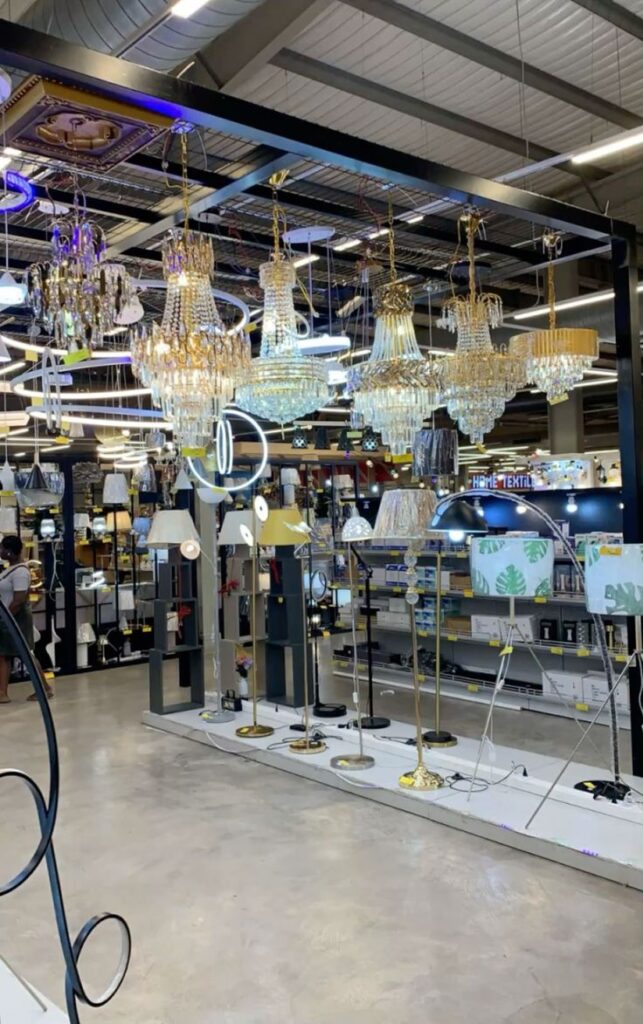
1. Modern LED Ceiling Lights
LED ceiling lights are among the most versatile lighting fixtures for contemporary homes. They provide general illumination while offering different shapes, sizes and finishes to complement modern interiors.
You can choose from round, square, rectangular and decorative LED ceiling lights. Some models also offer adjustable colour temperatures, allowing homeowners to select warm, neutral or cool lighting depending on the activity.
Popular LED ceiling light designs include:
- Round flush-mount LED lights.
- Square geometric ceiling fixtures.
- Minimalist edge-lit ceiling lights.
- Decorative LED ceiling panels.
- Contemporary semi-flush ceiling lights.
- Tricolour LED ceiling fixtures.
Flush-mount lights sit close to the ceiling, making them suitable for rooms with standard or relatively low ceilings. Semi-flush designs hang slightly lower and can introduce more decorative detail.
LED ceiling lights work well in bedrooms, living rooms, hallways, kitchens and other areas that require general illumination.
When choosing one, consider the room dimensions, ceiling height, light output and whether the fixture provides replaceable bulbs or an integrated LED system.
2. Modern Chandeliers for Living Rooms
Chandeliers remain popular in modern homes because they combine illumination with decorative appeal. A well-selected chandelier can become the main feature of a living room, particularly when positioned above a central seating arrangement.
Modern chandelier designs are available in several styles, including:
- Crystal chandeliers.
- Contemporary ring chandeliers.
- Linear geometric chandeliers.
- Sputnik and mid-century designs.
- Minimalist metal chandeliers.
- Multi-tier statement chandeliers.
- Gold and brass-finish chandeliers.
For a modern living room, consider a chandelier that complements the furniture, ceiling design and overall colour scheme.
Gold, black, chrome and brushed brass finishes can create different visual effects. Crystal designs work well in more decorative interiors, while geometric metal designs suit contemporary and minimalist spaces.
Important considerations when choosing a chandelier:
The size should suit the room and ceiling height. A large chandelier can overwhelm a compact sitting room, while a very small fixture may look out of place in a spacious living area.
Also consider the chandelier’s weight and mounting requirements. Heavy fixtures may need suitable structural support, and a qualified electrician should handle the electrical installation.
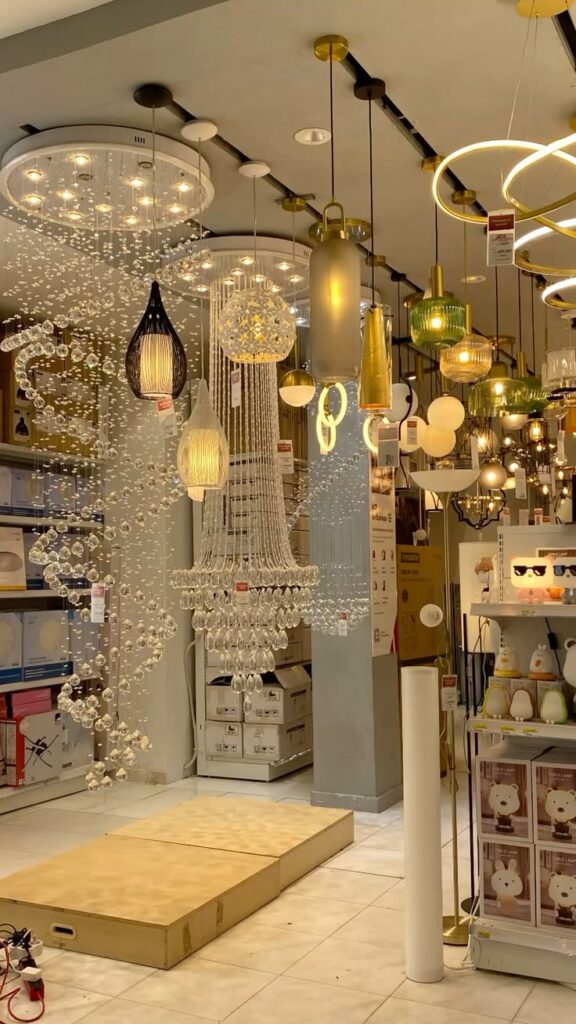
3. Pendant Lights for Modern Dining Areas
Pendant lights hang from the ceiling using a cord, stem or suspension system. They are particularly useful above dining tables, kitchen islands and selected seating areas.
Unlike general ceiling lights, pendant fixtures can create a more focused decorative feature.
Popular modern pendant light ideas include:
- Single glass pendant lights.
- Black metal pendant fixtures.
- Gold and brass pendant lights.
- Cluster pendant arrangements.
- Linear dining pendants.
- Globe-shaped pendant lights.
- Minimalist wooden pendant designs.
For a long dining table, a linear pendant or coordinated group of smaller fixtures can create a balanced appearance. A single pendant may work better above a compact dining table.
Consider the pendant’s hanging height so that it illuminates the table without obstructing people’s views or interfering with everyday activities.
Glass pendants can create a lighter visual effect, while metal shades provide a stronger decorative statement.
4. Recessed LED Downlights
Recessed downlights are installed within the ceiling to provide focused or general illumination without bulky visible fixtures.
They are particularly popular in modern homes with gypsum ceilings and minimalist interior designs.
Downlights can be used across several rooms, including living rooms, bedrooms, kitchens, hallways and selected bathrooms.
Common downlight designs include:
- Fixed recessed LED downlights.
- Adjustable spotlight downlights.
- Anti-glare downlights.
- Trimless recessed fixtures.
- Double or multiple downlights.
- Shower-rated downlights.
A modern ceiling can combine recessed downlights with concealed LED strips to create layered illumination.
Avoid installing too many downlights simply because they are visually appealing. Their spacing and positioning should depend on the room’s dimensions, ceiling height, furniture layout and required brightness.
For bathrooms and other moisture-prone locations, select fixtures with an appropriate IP rating for the installation environment.
5. LED Strip Lighting for Gypsum Ceilings
LED strip lighting is an effective way to introduce concealed illumination into modern interiors.
It can be installed within ceiling coves, recessed profiles, shelves, cabinetry and selected decorative wall features.
One popular application is cove lighting around a gypsum ceiling. The LED strip sits within a concealed section and directs light onto the ceiling or surrounding surface.
Modern LED strip lighting ideas include:
- Concealed ceiling cove lighting.
- LED strips around tray ceilings.
- Backlighting behind television units.
- Under-cabinet kitchen lighting.
- Wardrobe interior lighting.
- Lighting beneath floating shelves.
- LED profiles along selected wall panels.
LED strip lighting can create a softer decorative effect compared with a single bright ceiling fixture.
However, good installation matters. Use suitable aluminium profiles, compatible drivers and accessible maintenance points. Poorly installed strips can produce visible dots, uneven illumination or excessive glare.
For more ceiling design ideas, explore our gypsum ceiling installation services.
6. Modern Wall Lights and Sconces
Wall lights, also known as sconces, are mounted directly onto walls. They provide useful supplementary lighting while adding decorative detail to an interior.
They are particularly suitable for bedrooms, corridors, living rooms, staircases and selected entrance areas.
Popular designs include:
- Up-and-down wall lights.
- Cylindrical LED sconces.
- Decorative glass wall lights.
- Minimalist black wall fixtures.
- Gold-finish wall sconces.
- Modern geometric wall lights.
- Adjustable reading sconces.
Up-and-down wall lights direct illumination towards the ceiling and floor, creating a decorative effect on the surrounding wall.
In bedrooms, wall sconces can replace conventional bedside lamps and free up space on bedside tables. In corridors, they can provide additional illumination along the walking route.
Choose the mounting position according to the fixture design, wall arrangement and intended use.
7. Track Lighting for Flexible Modern Interiors
Track lighting uses a ceiling-mounted rail or track that supports multiple light fixtures. Depending on the system, individual fixtures can be repositioned or adjusted to direct light towards selected areas.
This makes track lighting useful for homes where lighting needs to highlight artwork, feature walls, shelves or specific furniture arrangements.
Track lighting ideas include:
- Black track lighting in contemporary living rooms.
- Adjustable spotlights along feature walls.
- Track lights above home libraries.
- Gallery-style lighting for artwork.
- Track lighting in open-plan living spaces.
- Focused lighting for selected decorative shelves.
Track lighting is particularly useful when you want flexibility without installing several separate ceiling fixtures.
Before choosing a system, confirm the track type, electrical compatibility, number of lights and ceiling installation requirements.
8. Modern Floor and Table Lamps
Floor and table lamps provide additional illumination at furniture level. They are useful when you need focused lighting without relying entirely on ceiling fixtures.
A floor lamp beside a sofa can create a comfortable reading corner, while a table lamp on a console or bedside unit can introduce softer evening lighting.
Popular options include:
- Modern tripod floor lamps.
- Arc floor lamps.
- Minimalist metal table lamps.
- Glass decorative table lamps.
- Contemporary bedside lamps.
- Adjustable reading lamps.
- Fabric-shade table lamps.
Choose a lamp that complements the furniture and room dimensions. A large floor lamp may suit a spacious lounge, while a compact table lamp works better on a smaller bedside table.
Consider the bulb type, brightness and shade material before purchasing.
9. Modern Lighting Fixtures for Living Rooms
The living room is often the main gathering space in a home. It needs lighting that supports different activities, including entertaining guests, watching television, reading and relaxing.
Rather than relying on one central fixture, combine different lighting sources to create a flexible environment.
Recommended living room lighting combinations include:
- A modern chandelier or decorative ceiling light for the main illumination.
- Recessed downlights for additional brightness.
- Wall sconces for decorative accents.
- LED strips around a gypsum ceiling.
- A floor lamp beside the sofa.
- Adjustable spotlights for artwork or feature walls.
For a modern minimalist living room, consider a combination of recessed downlights, concealed cove lighting and one statement fixture.
For a more decorative space, combine a chandelier with wall lights and a suitable floor lamp.
The lighting should complement the seating arrangement, television position, curtains, wall finishes and ceiling design.
10. Modern Bedroom Lighting Fixtures
Bedroom lighting should provide sufficient visibility while creating a comfortable atmosphere for rest and relaxation.
A balanced arrangement can include a general ceiling light, bedside lighting and selected accent features.
Modern bedroom lighting ideas include:
Flush-mount LED ceiling lights: Suitable for rooms with standard ceiling heights and simple interior designs.
Bedside pendant lights: Hang beside the bed to create a decorative alternative to table lamps. Confirm suitable hanging clearance before installation.
Wall-mounted reading lights: Provide focused illumination for reading without lighting the entire bedroom.
LED headboard lighting: Highlights selected headboard designs and creates a subtle decorative effect.
Wardrobe lighting: Improves visibility inside wardrobes and fitted storage units.
Cove lighting: Introduces softer illumination around a selected gypsum ceiling design.
For bedrooms, warm-white lighting around 2700K–3000K is a common choice because it creates a softer appearance. You can use separate task lighting for reading and other activities.
11. Kitchen Lighting Fixtures for Modern Homes
Kitchen lighting needs to balance appearance with visibility. Cooking, chopping, cleaning and food preparation require suitable illumination across different work areas.
A modern kitchen often benefits from a combination of general ceiling lighting and dedicated task lighting.
Recommended options include:
- Recessed LED downlights.
- Under-cabinet LED strips.
- Pendant lights above kitchen islands.
- Surface-mounted ceiling fixtures.
- Adjustable track lighting.
- Integrated cabinet lighting.
Under-cabinet lights are particularly useful because they illuminate worktops that may otherwise fall into the shadows created by overhead cabinets.
Pendant lights can introduce a decorative feature above an island or breakfast counter.
Choose fittings with suitable specifications for the kitchen environment, and keep them positioned away from areas where they could interfere with movement or cleaning.
For more ideas, explore our modern kitchen designs in Kenya.
12. Modern Dining Room Lighting Fixtures
Dining room lighting should complement the table and create a comfortable environment for meals and social gatherings.
Pendant lights and chandeliers are common choices because they provide a central focal point.
For a rectangular dining table, a linear pendant or coordinated group of smaller pendants may create a balanced arrangement. For a round table, a single appropriately sized pendant or chandelier may be sufficient.
Consider these ideas:
- Modern ring chandeliers.
- Linear LED dining pendants.
- Glass globe pendant lights.
- Multi-drop pendant arrangements.
- Contemporary crystal chandeliers.
- Minimalist ceiling lights.
Where possible, use a compatible dimmer to adjust the lighting for different occasions. Confirm that the selected LED fixture and driver support dimming before installation.
13. Bathroom Lighting Fixtures
Bathroom lighting should provide clear visibility while complementing the tiles, mirrors, vanity and shower area.
A good arrangement typically combines general lighting with focused illumination around the mirror.
Suitable options include:
- Recessed LED downlights.
- Mirror-mounted LED lights.
- Vanity wall sconces.
- Suitable ceiling fixtures.
- Illuminated mirrors.
- Appropriate shower-rated lights.
When selecting bathroom fixtures, pay close attention to their IP ratings. The required protection depends on the location of the light and its exposure to moisture.
Use fixtures specifically rated for their intended bathroom installation location. Electrical installation should follow applicable safety requirements and be handled by a qualified electrician.
For more inspiration, explore our bathroom interior design services.
14. Modern Staircase and Corridor Lighting
Staircases and corridors are important circulation areas that need reliable illumination. A well-designed lighting arrangement also helps highlight architectural details.
Popular ideas include:
- Recessed wall step lights.
- Ceiling downlights.
- Decorative wall sconces.
- Linear LED strip lighting.
- Pendant lights for suitable stairwells.
- Motion-sensor lighting in selected areas.
For double-volume entrances and staircases, a statement pendant or chandelier can create an impressive focal point.
However, ensure that the fixture does not interfere with movement or reduce the available headroom.
In corridors, consistent spacing and suitable brightness help avoid dark sections between rooms.
15. Modern Outdoor Lighting Fixtures
Outdoor lighting improves visibility around entrances, pathways, balconies, verandas and gardens while adding decorative appeal.
Modern homes can combine wall-mounted outdoor fixtures with suitable landscape and pathway lights.
Consider:
Outdoor wall lights: Suitable for entrances, verandas and selected exterior walls.
Garden lights: Highlight selected landscape features and outdoor seating areas.
Pathway lights: Provide illumination along walking routes.
Security floodlights: Provide broader illumination for selected exterior spaces.
Solar lights: Offer an alternative for suitable outdoor locations where solar charging conditions and product performance meet the intended requirements.
Balcony lighting: Adds a decorative effect to outdoor relaxation spaces.
Outdoor fixtures must have suitable weather and moisture protection. Check their IP ratings, installation requirements and suitability for the location before purchasing.
16. Choose the Right Lighting Colour Temperature
Colour temperature influences how lighting appears inside a room. It is measured in Kelvin (K).
Different colour temperatures create different visual effects, so the choice should reflect the room’s purpose and preferred atmosphere.
| Colour temperature | Appearance | Suitable applications |
|---|---|---|
| 2700K | Soft warm white | Bedrooms and relaxing areas |
| 3000K | Warm white | Living rooms and dining areas |
| 4000K | Neutral white | Kitchens, study areas and workspaces |
| 5000K–6000K | Cool or daylight white | Selected utility and task environments |
For example, warm-white lighting can complement wood, beige and cream finishes in a living room. Neutral white can work well in a kitchen where clear visibility is important.
Avoid mixing too many unrelated colour temperatures in an open-plan interior. Coordinating the lighting across adjoining rooms helps create a more consistent appearance.
Also check the colour temperature of integrated LED fixtures before purchase. Some models offer adjustable settings, while others have a fixed temperature.
17. Understand the Difference Between Ambient, Task and Accent Lighting
Modern home lighting works best when different fixtures perform different functions.
Ambient Lighting
Ambient lighting provides the general illumination needed to move around and use a room comfortably.
Common examples include:
- Ceiling lights.
- Recessed downlights.
- LED panels.
- Chandeliers.
- Selected cove lighting arrangements.
Task Lighting
Task lighting focuses on activities that require additional visibility.
Examples include:
- Kitchen under-cabinet lights.
- Bedside reading lights.
- Home office desk lamps.
- Bathroom vanity lights.
- Study-area lighting.
Accent Lighting
Accent lighting highlights selected interior features.
It can be used to draw attention to:
- Artwork.
- Decorative wall panels.
- Floating shelves.
- Architectural details.
- Textured finishes.
- Feature walls.
A room that combines these lighting layers usually offers more flexibility than one that relies on a single central light fixture.
18. How to Choose the Right Lighting Fixtures for Your Home
Before purchasing lighting fixtures, consider the following factors.
Room Size
Large rooms may require several light sources, while compact rooms can work with fewer appropriately selected fixtures.
Do not choose a chandelier or pendant simply because it looks attractive in a showroom. Consider how its dimensions relate to the actual room.
Ceiling Height
Ceiling height determines which fixtures can be installed comfortably.
Flush-mount and semi-flush fixtures are useful where ceiling clearance is limited. Hanging pendants and chandeliers are more suitable where sufficient vertical space is available.
Interior Design Style
Choose fixtures that complement the home’s furniture, flooring, wall colours and decorative finishes.
For example, black metal lighting can suit industrial interiors, while brass, glass and crystal fixtures can complement more decorative spaces.
Brightness and Light Output
Lighting brightness is measured in lumens. Watts describe electrical power consumption rather than the actual brightness produced.
When comparing LED products, check the lumen output to understand how much light the fixture provides.
Energy Efficiency
LED fixtures generally offer an energy-efficient option compared with many older lighting technologies.
Check the product’s power rating, expected lifespan and manufacturer information before purchasing.
Installation Requirements
Consider ceiling construction, wiring, electrical points, fixture weight and mounting arrangements.
Some fixtures may require additional support or modifications to the ceiling.
Maintenance
Check whether the fixture uses replaceable bulbs or integrated LEDs. Also consider how easily it can be cleaned and whether replacement components are available.
19. How Much Do Lighting Fixtures Cost in Kenya?
Lighting fixture prices in Kenya vary depending on the design, material, brand, size, light source and supplier.
A simple recessed downlight will generally cost less than a large decorative chandelier or customised pendant system.
The following table provides indicative retail and market reference ranges from Kenyan lighting sellers. Prices are for planning purposes and are not guaranteed quotations.
| Lighting fixture | Indicative price range |
|---|---|
| Basic LED downlights | KES 450–980 |
| Adjustable or anti-glare downlights | KES 980–2,500 |
| Surface-mounted downlights | KES 1,050–3,600 |
| Modern ceiling lights | KES 2,500–15,000+ |
| Chandeliers | KES 5,500–25,000+ |
| Statement or premium chandeliers | KES 40,500+ |
| Pendant lights | KES 2,500–15,000+ |
| Wall lights | KES 2,000–5,500 |
| LED strip lighting, supplied and fitted | KES 1,500–3,000 per metre |
These figures combine examples and indicative ranges from different suppliers. Product specifications, promotions and availability can change. Some decorative fixtures cost considerably more than the general ranges shown.
What Influences Lighting Installation Costs?
The cost of installing lighting fixtures depends on more than the purchase price.
Consider:
Electrical wiring: New electrical points or circuit modifications may increase the project cost.
Ceiling works: Recessed lights and concealed LED strips may require gypsum ceiling modifications.
Fixture complexity: Large chandeliers and multi-drop pendants may need additional support and specialist installation.
Installation height: High ceilings and staircases can require additional equipment and access arrangements.
Number of fixtures: Installing several lights across different rooms affects labour and materials.
Switching and controls: Dimmers, smart controls and separate lighting circuits may require additional electrical work.
For accurate budgeting, separate the cost of fixtures, electrical materials, ceiling modifications and installation labour.
20. Common Lighting Design Mistakes to Avoid
Even expensive lighting fixtures can produce poor results when they are not selected or installed correctly.
Avoid these common mistakes:
1. Depending on one ceiling light: A single fixture may not provide enough flexibility for different activities. Introduce task and accent lighting where needed.
2. Choosing oversized chandeliers: Large decorative fixtures can overwhelm compact rooms and interfere with movement.
3. Ignoring ceiling height: Hanging fixtures require adequate clearance, particularly in corridors and rooms with standard ceilings.
4. Using the wrong colour temperature: Cool lighting throughout the entire home may make relaxing spaces feel less comfortable.
5. Installing too many downlights: Excessive ceiling lights can create glare and unnecessary brightness.
6. Poor LED strip installation: Missing profiles, unsuitable drivers and poor positioning can create uneven illumination.
7. Ignoring bathroom and outdoor ratings: Select fixtures with appropriate protection for their installation environments.
8. Forgetting task lighting: Kitchens, study areas and reading corners need focused illumination.
9. Failing to plan before installing gypsum ceilings: Electrical wiring and concealed lighting should be coordinated before the ceiling is closed.
10. Selecting fixtures without considering maintenance: Check the availability of replacement bulbs, drivers and other components.
21. How to Plan Modern Home Lighting Before Installation
A proper lighting plan helps you coordinate fixtures, electrical points and ceiling designs before the finishing work is complete.
Follow these steps:
Step 1: Identify the Lighting Requirements of Each Room
List the activities that take place in every room and identify where general, task and accent lighting will be needed.
Step 2: Measure the Rooms and Assess Ceiling Height
Record room dimensions, ceiling heights, furniture positions and existing electrical points.
Step 3: Select Suitable Fixture Types
Choose chandeliers, pendants, downlights, wall lights, LED strips or other fixtures according to the room requirements.
Step 4: Decide on Colour Temperature
Select suitable warm, neutral or cool lighting for each space. Keep adjacent areas coordinated.
Step 5: Coordinate Lighting with the Ceiling Design
Plan recessed downlights, LED strips, cove lighting and decorative fixtures before gypsum ceiling installation.
Step 6: Review the Electrical Layout
Determine switch positions, light circuits, dimming requirements and electrical connections. Have the design reviewed and implemented by qualified electrical professionals.
Step 7: Prepare the Budget
Separate fixture costs, wiring, ceiling works, accessories and installation.
Step 8: Review the Design Before Implementation
Use interior design plans or 3D visualisations to assess how the fixtures will look with the furniture, flooring, wall finishes and ceiling design.
Why Choose InteriorDesigners.co.ke for Home Interior Design and Lighting Planning?
Lighting should be considered part of the complete interior design rather than an isolated finishing item.
The right combination of ceiling fixtures, recessed lights, wall sconces and concealed LEDs can complement the home’s furniture, flooring, colours and architectural details.
InteriorDesigners.co.ke provides residential interior design and renovation solutions for homeowners building new properties or upgrading existing homes.
Our services can include:
- Residential interior design and space planning.
- Lighting concept planning and fixture coordination.
- Gypsum ceiling and concealed lighting design.
- Living room and bedroom interior design.
- Kitchen and bathroom interior design.
- Decorative wall finishes and feature walls.
- Flooring and interior finishing.
- 3D interior design visualisations.
- Home renovation and interior fit-out.
With over 18 years of experience and more than 3,000 completed projects, our team provides interior design and finishing solutions across Kenya.
Whether you are designing a new home, upgrading your living room lighting or planning a complete interior transformation, we can help coordinate the lighting with the rest of your interior.
Contact InteriorDesigners.co.ke for Home Lighting and Interior Design
Planning to upgrade your home with modern lighting fixtures or redesign your interior?
Contact InteriorDesigners.co.ke to discuss your preferred style, room dimensions, ceiling design and lighting requirements.
Our team can help coordinate lighting concepts with gypsum ceilings, decorative finishes, furniture and other interior design elements.
Contact Details
Contact page: Request an Interior Design Consultation
Location: Nairobi CBD
Phone: 0717 044 443 / 0739 255 050 / 0725 021 709
Email: info@interiordesigners.co.ke
Website: InteriorDesigners.co.ke
Contact our team to discuss your home lighting and interior design project and request a quotation.
Related Interior Design Services We Offer
Explore more services for modern home interiors:
- 3D Designs and Layout Planning
- Gypsum Ceiling Installation Services
- Modern Kitchen Designs in Kenya
- Kitchen Interior Design in Nairobi
- Bathroom Interior Design
- Floor Installation Services
- Home Renovation and Remodelling
For more lighting inspiration, read our related guide on Modern Lighting Trends for Interior Design Projects in Kenya.
You can also explore our related websites:
Areas We Serve Across Kenya
InteriorDesigners.co.ke provides residential interior design and finishing solutions across all 47 counties in Kenya, including Nairobi, Mombasa, Kwale, Kilifi, Tana River, Lamu, Taita-Taveta, Garissa, Wajir, Mandera, Marsabit, Isiolo, Meru, Tharaka-Nithi, Embu, Kitui, Machakos, Makueni, Nyandarua, Nyeri, Kirinyaga, Murang’a, Kiambu, Turkana, West Pokot, Samburu, Trans Nzoia, Uasin Gishu, Elgeyo-Marakwet, Nandi, Baringo, Laikipia, Nakuru, Narok, Kajiado, Kericho, Bomet, Kakamega, Vihiga, Bungoma, Busia, Siaya, Kisumu, Homa Bay, Migori, Kisii and Nyamira.
In Nairobi, we serve areas including Nairobi CBD, Westlands, Parklands, Kilimani, Kileleshwa, Lavington, Karen, Runda, Muthaiga, Gigiri, Riverside, Upper Hill, Hurlingham, South C, South B, Langata, Embakasi, Donholm, Eastleigh, Kasarani, Roysambu, Ruaraka, Umoja, Buruburu, Komarock, Kayole, Ruai, Ngara and Pangani.
In Mombasa, our service areas include Mombasa CBD, Nyali, Bamburi, Shanzu, Kisauni, Kizingo, Tudor, Tononoka, Mvita, Changamwe, Jomvu, Likoni, Mikindani, Port Reitz, Bombolulu, Kongowea and Mkomani.
Frequently Asked Questions About Lighting Fixtures for Modern Homes
1. What are the best lighting fixtures for modern homes?
LED ceiling lights, chandeliers, pendant lights, recessed downlights, wall sconces, track lights and LED strips are popular choices. The best combination depends on the room size, ceiling height, interior style and lighting requirements.
2. Which lighting fixtures are best for a modern living room?
A modern living room can combine a chandelier or decorative ceiling light with recessed downlights, wall sconces and a floor lamp. This arrangement provides general illumination while adding decorative and accent lighting.
3. Are LED ceiling lights suitable for modern homes?
Yes. LED ceiling lights are available in different shapes, finishes and brightness levels. They can provide general illumination in living rooms, bedrooms, kitchens and corridors.
4. Which lighting is best for a bedroom?
A bedroom can use a ceiling light for general illumination, bedside wall lights or pendants for reading, and concealed LED strips for selected decorative features. Warm-white lighting is a popular choice for creating a comfortable atmosphere.
5. What is the difference between a pendant light and a chandelier?
A pendant light usually hangs as a single fixture or a simple group of fixtures. A chandelier is generally a more decorative arrangement with multiple arms, light sources or statement elements. Both can be used above dining tables and in living spaces.
6. Are recessed downlights suitable for small rooms?
Yes. Recessed downlights sit within the ceiling and provide illumination without bulky visible fixtures. Their number and spacing should depend on the room dimensions, ceiling height and lighting requirements.
7. What colour temperature is best for a modern home?
Warm white around 2700K–3000K is commonly used in bedrooms and relaxing living areas. Neutral white around 4000K may suit kitchens and workspaces. The choice should reflect the purpose of the room and the desired atmosphere.
8. How much do modern lighting fixtures cost in Kenya?
Prices vary by design, size and supplier. Basic LED downlights may start from around KES 450, while decorative chandeliers can cost tens of thousands of shillings. Installation, wiring and ceiling modifications are additional considerations.
9. Are LED strip lights suitable for gypsum ceilings?
Yes. LED strips can be installed within suitable ceiling coves and profiles to create concealed illumination. Use compatible drivers, suitable profiles and accessible maintenance points.
10. What lighting is suitable for a bathroom?
Use suitable bathroom-rated ceiling lights, mirror lighting and vanity sconces. Check the fixture’s IP rating and installation location to ensure appropriate protection against moisture.
11. Can I mix different lighting fixtures in one room?
Yes. Combining ceiling lights, downlights, wall sconces, pendants and lamps can create a layered lighting scheme. Ensure that the fixtures complement one another and provide suitable illumination for the room.
12. Should lighting be installed before or after gypsum ceiling installation?
The lighting plan and concealed electrical wiring should be coordinated before the gypsum ceiling is closed. Final fixture installation and testing can follow the appropriate construction sequence.
