Best Wall Cladding Materials for Modern Kenyan Homes
Choosing the best wall cladding materials for modern Kenyan homes requires more than finding an attractive finish. The material should complement your home’s architecture, withstand the conditions in which it will be installed and remain practical to maintain.
Wall cladding can transform ordinary walls into attractive architectural features. Whether you are building a new house in Nairobi, renovating a townhouse in Ruiru, upgrading a villa in Kitengela or finishing a coastal home in Mombasa, the right cladding can improve the appearance of your property and give selected walls a distinctive finish.
Modern homeowners can choose from natural stone, Mazeras, WPC panels, PVC panels, timber, brick slips, fibre cement boards, aluminium composite panels, porcelain surfaces and decorative wall panels. Each material has different characteristics, applications, installation requirements and costs.
However, a material that works perfectly for an indoor TV feature wall may not be suitable for an exposed exterior façade. Similarly, heavy natural stone requires different installation considerations from lightweight decorative panels.
This guide explores the best wall cladding materials for modern Kenyan homes, comparing their advantages, limitations, applications, maintenance requirements and indicative costs. It also explains how to select suitable cladding for living rooms, bedrooms, entrances, staircases, exterior walls and other areas of your property.
What Is Wall Cladding?
Wall cladding is a decorative or protective layer installed over an existing or newly constructed wall. It can improve the appearance of a building, introduce texture and create distinctive architectural features.
Depending on the material and installation system, cladding can be used on interior walls, exterior façades or selected architectural sections.
There are two main residential applications.
Interior wall cladding: Used inside the home to create feature walls, decorate living rooms, improve selected wall surfaces and complement furniture, ceilings and flooring.
Exterior wall cladding: Installed on external building surfaces to create architectural finishes and form part of a weather-management system.
Modern wall cladding can be installed on concrete, masonry and other suitable substrates. Some lightweight systems use adhesive or mechanical fixings, while heavier materials may require battens, brackets or engineered support structures.
It is important to distinguish decorative wall panels from complete exterior cladding systems. A decorative panel intended for indoor use should not automatically be treated as suitable for outdoor exposure.
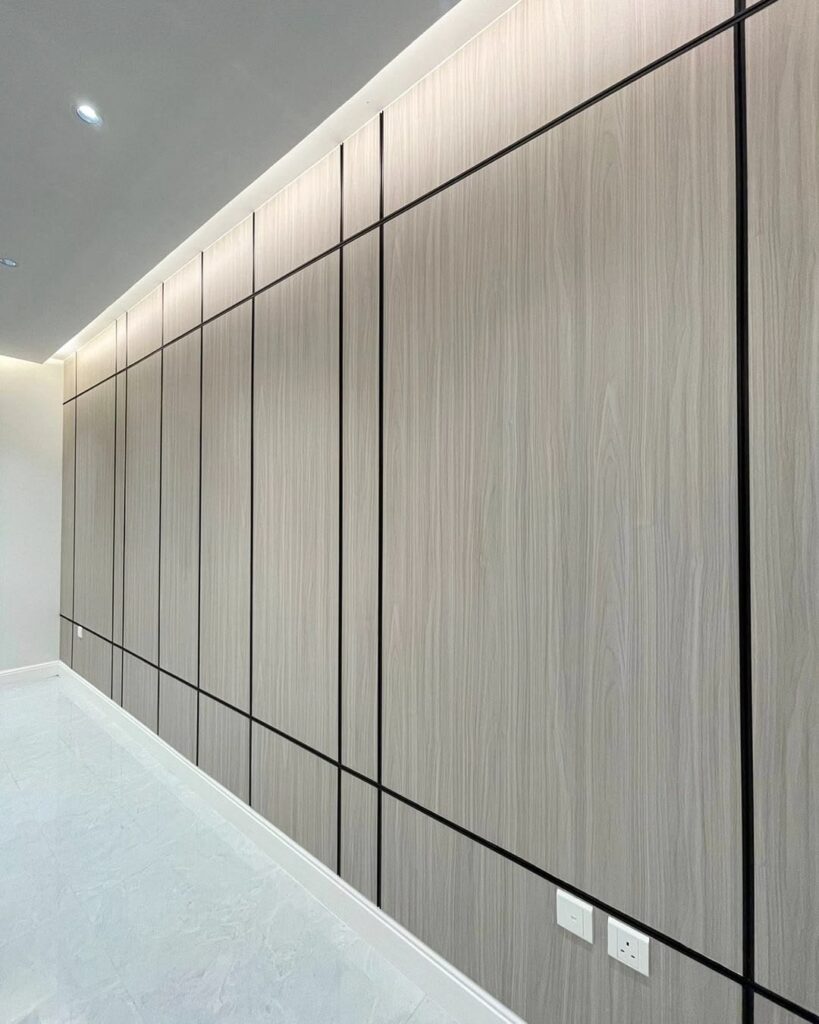
1. Natural Stone Wall Cladding
Natural stone is one of the most distinctive wall cladding materials for modern residential and commercial properties. Its natural textures, colour variations and surface patterns create an architectural finish that is difficult to reproduce with ordinary paint.
Popular Kenyan stone cladding options include Mazeras, coral stone, selected sandstone and other locally available decorative stones.
Natural stone can be used on selected exterior walls, entrance features, boundary walls, pillars and interior feature walls.
Popular Natural Stone Cladding Designs
- Rough-textured natural stone.
- Machine-cut stone cladding.
- Polished stone surfaces.
- Bush-hammered stone finishes.
- Layered stone arrangements.
- Random-pattern stone cladding.
- Contemporary rectangular stone panels.
Applications of Natural Stone
Exterior façades: Stone can introduce texture and architectural character to selected exterior wall sections.
Entrance walls: Natural stone creates an attractive focal point around a main entrance.
Boundary walls and pillars: Selected stone finishes can improve the appearance of perimeter walls and entrance columns.
Living-room feature walls: Interior stone cladding can complement fireplaces, TV areas and contemporary furniture.
Hotel and hospitality interiors: Natural stone can create a distinctive finish in reception areas, restaurants and selected lounge spaces.
Advantages of Natural Stone
Natural stone offers distinctive patterns, natural colour variations and a substantial appearance. Many stone products are also suitable for exterior applications when correctly selected and installed.
However, stone is not automatically suitable for every wall. Its weight, thickness, water absorption and fixing requirements should be assessed before installation.
Heavy stone cladding may require mechanical fixing or additional structural support rather than relying on adhesive alone.
2. Mazeras Wall Cladding
Mazeras is a popular natural stone choice in Kenya, particularly for homeowners who prefer earthy colours and textured finishes.
Its natural variations can introduce warmth and character into modern architecture. Depending on the selected stone and finish, Mazeras can create contemporary, rustic or traditional appearances.
Common colours include grey, white, cream and mixed earth tones.
Mazeras Wall Cladding Design Ideas
Modern entrance walls: Use Mazeras on a selected section around the entrance to create a welcoming architectural feature.
Exterior pillars: Apply suitable stone cladding to entrance columns and selected veranda pillars.
Boundary wall features: Introduce natural stone sections to break up long painted boundary walls.
Living-room fireplaces: Natural stone can create a distinctive fireplace surround where the material is suitable for the installation.
Interior feature walls: Use selected Mazeras finishes to introduce texture behind a seating arrangement or in an entrance foyer.
Why Homeowners Choose Mazeras
Mazeras offers natural colour variation and a distinctive stone appearance. It can also be cut into different sizes and finishes to suit architectural requirements.
However, natural stone can vary between batches. Therefore, request samples before ordering large quantities and confirm the intended finish.
For exterior installations, review the stone’s weight, absorption characteristics, substrate and fixing requirements. Professional assessment is particularly important on upper-storey walls.
3. WPC Wall Cladding
Wood-plastic composite (WPC) combines wood-derived materials with plastic polymers to produce decorative panels with wood-inspired finishes.
WPC cladding is popular in contemporary interiors because it provides a consistent appearance and is available in various profiles, including fluted and slatted designs.
Some products are specifically manufactured for exterior applications, while others are intended for indoor use.
Popular WPC Cladding Styles
- Vertical fluted panels.
- Horizontal slatted panels.
- Wood-grain panels.
- Dark walnut-effect finishes.
- Light oak-effect finishes.
- Contemporary textured panels.
Applications of WPC Cladding
Living-room TV walls: Fluted WPC panels can create an attractive background behind television units.
Bedroom headboards: Wood-effect panels introduce warmth and texture.
Reception areas: WPC finishes can create coordinated feature walls behind reception counters.
Verandas: Exterior-rated products can be considered for suitable sheltered or exposed areas according to the manufacturer’s specifications.
Exterior architectural features: Selected outdoor-rated WPC systems can be used on façades and decorative wall sections.
Advantages and Limitations
WPC panels are available in several colours and profiles. Their manufactured construction offers consistency, and selected products are designed for relatively straightforward maintenance.
However, not all WPC products are suitable for exterior installation. Direct sunlight, temperature changes and moisture exposure can affect cheaper or incorrectly specified products.
Before purchasing, confirm UV performance, exterior-use rating, colour stability, fixing requirements and the manufacturer’s maintenance recommendations.
4. PVC Wall Cladding
PVC wall panels are manufactured from polyvinyl chloride and are available in plain, textured, marble-effect and wood-effect finishes.
They provide a lightweight decorative option for selected interior applications.
Some PVC products are designed for moisture-prone environments, making them useful in appropriate bathrooms, utility areas and selected kitchen installations.
PVC Wall Cladding Applications
- Selected bathroom wall sections.
- Kitchen decorative surfaces.
- Laundry and utility areas.
- Interior feature walls.
- Rental-property interiors.
- Selected commercial wall finishes.
Advantages of PVC Cladding
PVC panels are generally lightweight, available in different designs and relatively easy to clean when the surface is suitable.
They can also provide a decorative alternative to certain conventional wall-finishing methods.
Limitations
PVC quality varies according to thickness, composition, finish and manufacturer.
Some products may distort or deteriorate when exposed to excessive heat or unsuitable installation conditions. Therefore, confirm the product’s temperature, moisture and fire-performance specifications before use.
Do not install ordinary decorative PVC panels next to cooking appliances or other heat sources unless the manufacturer approves that application.
5. Brick Wall Cladding and Brick Slips
Brick cladding creates an industrial, rustic or contemporary appearance depending on the colour and arrangement.
Instead of constructing a complete brick wall, brick slips use thinner brick facings to create a brick-like surface on a suitable substrate.
They are useful for homeowners who want an exposed-brick appearance without building an entire masonry wall.
Popular Brick Cladding Designs
- Traditional red brick slips.
- Grey decorative brick.
- Whitewashed brick finishes.
- Multi-coloured brick patterns.
- Reclaimed-looking brick surfaces.
- Contemporary dark brick cladding.
Applications of Brick Cladding
Living rooms: Create an industrial-style feature wall behind a sofa or television.
Dining areas: Introduce texture behind the dining table.
Home offices: Brick cladding can create a distinctive background.
Exterior feature walls: Suitable exterior-rated brick slips can add character to selected building façades.
Restaurants and cafés: Brick finishes can complement industrial and contemporary hospitality interiors.
Advantages and Limitations
Brick slips provide the appearance of brick with less material thickness than full brick construction.
However, the quality of the facing, adhesive or mechanical fixing system, pointing and substrate preparation influences the final appearance and durability.
Cheap decorative alternatives may have repetitive patterns or artificial-looking joints. Always inspect samples before approving the finish.
6. Fibre Cement Wall Cladding
Fibre cement panels are manufactured using cement and reinforcing fibres. They are available in different board formats, textures and decorative finishes.
Selected fibre cement products are designed for exterior building applications and can provide a contemporary façade appearance.
Applications of Fibre Cement Cladding
- Modern residential façades.
- Selected exterior feature walls.
- House extensions.
- Architectural wall sections.
- Contemporary commercial buildings.
- Timber-look exterior designs.
Fibre cement boards can provide a clean, structured appearance and may be available in factory-finished or paintable options.
Advantages and Limitations
Fibre cement is useful when a project requires rigid architectural boards with a consistent surface.
However, not every fibre cement board is designed for the same application. Exterior suitability, thickness, edge treatment, joint detailing, support spacing and fixing methods must follow the manufacturer’s instructions.
Cutting and installation may also require suitable dust-control measures and protective equipment.
7. Aluminium Composite Panel (ACP) Cladding
Aluminium composite panels are manufactured using aluminium face sheets bonded to a central core. They provide a lightweight, flat and consistent finish for selected architectural applications.
ACP is widely used in contemporary commercial façades, but it can also feature in suitable residential architectural designs.
ACP Cladding Applications
- Modern residential entrance features.
- Exterior wall sections.
- Balcony fascia details.
- Canopies and selected soffit applications.
- Decorative columns.
- Contemporary boundary features.
- Architectural accents around windows.
Advantages of ACP
ACP panels are available in several colours and finishes, including metallic, matte and selected wood-effect designs.
Their flat surfaces and fabrication flexibility suit modern architectural lines.
Important Considerations
ACP specifications vary. Core composition, aluminium skin thickness, coating and fire classification should be checked before purchasing.
For residential properties, the intended position and building requirements should guide material selection. Larger projects should have the complete façade system reviewed by qualified professionals.
8. Metal Wall Cladding
Metal wall cladding uses materials such as aluminium and steel to create contemporary architectural surfaces.
It can introduce a strong industrial appearance or provide clean geometric details on modern residential buildings.
Popular profiles include flat panels, ribbed sheets, corrugated profiles and standing-seam systems.
Applications of Metal Cladding
- Selected exterior feature walls.
- Modern house extensions.
- Boundary wall features.
- Architectural entrance details.
- Carports and suitable covered structures.
- Contemporary commercial façades.
Advantages and Limitations
Metal cladding can provide a clean architectural finish and may offer relatively lightweight options depending on the material and system.
However, corrosion protection is important, particularly in coastal locations. The coating, fasteners, brackets and supporting structure should all suit the environment.
Metal can also expand and contract as temperatures change. The fixing arrangement must account for the product’s movement requirements.
9. Timber Wall Cladding
Natural timber cladding creates a warm architectural appearance and can complement modern, rustic and Scandinavian-inspired homes.
It is available in different timber species, colours, profiles and surface finishes.
Popular Timber Cladding Designs
- Vertical timber battens.
- Horizontal timber boards.
- Natural wood slats.
- Dark stained timber.
- Light oak-effect finishes.
- Decorative timber grids.
Applications of Timber Wall Cladding
Living-room feature walls: Timber introduces warmth behind television units and seating areas.
Bedroom walls: Wood panels can create a natural headboard feature.
Exterior façades: Suitable treated timber systems can provide a distinctive natural finish.
Verandas and covered balconies: Exterior-grade timber can complement outdoor seating and architectural details.
Home offices: Timber panels can introduce a warm and professional appearance.
Advantages and Limitations
Natural timber offers unique grain patterns and can be refinished depending on its condition and coating system.
However, timber is affected by moisture, sunlight, insects and changes in environmental conditions. Exterior timber requires suitable treatment, protective finishes, ventilation and ongoing inspection.
Use timber products specifically suited to the intended exposure rather than assuming every decorative wood panel can be installed outdoors.
10. Porcelain and Ceramic Wall Cladding
Porcelain and ceramic surfaces are commonly used for interior wall finishes, particularly where homeowners want stone, marble or other decorative patterns.
Large-format porcelain slabs can create a contemporary appearance with fewer visible joints than smaller tiles.
Selected products are also suitable for appropriate exterior applications when the manufacturer’s specifications and installation system support that use.
Applications of Porcelain and Ceramic Cladding
- Bathroom walls.
- Kitchen wall sections.
- Living-room feature walls.
- Entrance foyers.
- Selected exterior wall features.
- Fireplace surrounds where suitable for the heat exposure.
Advantages and Limitations
Porcelain and ceramic products are available in extensive colours, patterns and textures. Their surface properties can also make them convenient to clean.
However, panel or tile weight, substrate condition, adhesive specification and joint detailing must be considered.
Large-format slabs may require specialist handling and installation. Not every ceramic product is suitable for external weather exposure.
Best Wall Cladding Materials for Different Areas of a Kenyan Home
Choosing a material according to the location helps achieve a better combination of appearance, durability and maintenance.
Living Room Wall Cladding
The living room is one of the most popular places for decorative wall cladding.
Suitable options include WPC fluted panels, timber, natural stone, brick slips, MDF designs and porcelain surfaces.
A TV feature wall can combine a central marble-look or stone-effect section with timber-inspired panels on either side. Floating cabinets and concealed LED lighting can complete the design.
Avoid using too many unrelated materials on the same wall. Two complementary finishes are often enough to create a strong focal point.
Bedroom Wall Cladding
Bedroom walls generally benefit from warm, coordinated finishes.
Consider:
- Timber slats.
- WPC fluted panels.
- MDF decorative mouldings.
- Wood veneer.
- Upholstered decorative panels.
Use the wall behind the bed as the main feature rather than covering every surface with decorative materials.
Entrance and Foyer Wall Cladding
The entrance introduces the home’s interior design style.
Natural stone, Mazeras, textured panels and suitable wood-effect finishes can create an attractive first impression.
Coordinate the cladding with the main entrance door, staircase, flooring and lighting.
Staircase Wall Cladding
Staircases experience regular contact from people, bags and household movement.
Wainscoting and suitable durable panels can protect selected lower wall sections while creating decorative detailing.
For homes with children or frequent visitors, prioritise finishes that are easy to clean and less vulnerable to everyday knocks.
Exterior House Wall Cladding
Exterior cladding should withstand the expected weather exposure and suit the building’s structural arrangement.
Suitable options may include:
- Natural stone.
- Mazeras.
- Exterior-grade WPC.
- Fibre cement boards.
- ACP systems.
- Metal panels.
- Exterior-rated porcelain surfaces.
The actual choice depends on the location, product specification, fixing system, wall construction and architectural design.
Boundary Wall and Pillar Cladding
Boundary walls and entrance pillars can benefit from natural stone, Mazeras, suitable brick slips and exterior-rated architectural panels.
Natural stone can create a substantial appearance, while selected metal and ACP details can introduce a modern finish.
The wall’s condition and structural capacity should be assessed before installing heavy materials.
Kitchen Wall Cladding
Kitchen walls need finishes that suit cleaning requirements, moisture conditions and proximity to cooking equipment.
Suitable options may include approved porcelain, ceramic tiles, glass surfaces and selected decorative panels installed in appropriate locations.
Consider the worktop, cabinets, splashback and lighting as one coordinated design.
Bathroom Wall Cladding
Bathrooms require materials designed for their moisture exposure.
Appropriate porcelain, ceramic, glass and approved bathroom panel systems can be considered.
Waterproofing, joints, corners and connections around fittings are just as important as the visible surface.
Interior vs Exterior Wall Cladding: What Is the Difference?
Not every cladding product can be used both indoors and outdoors. The environment determines which material specifications are suitable.
| Consideration | Interior cladding | Exterior cladding |
|---|---|---|
| Main purpose | Decoration, selected wall protection and interior styling | Architectural finish and part of the external wall protection system |
| Exposure | Household use, cleaning and indoor conditions | Sunlight, rain, wind, dust and temperature changes |
| Common materials | MDF, WPC, PVC, timber, stone, brick slips and porcelain | Natural stone, exterior-rated WPC, fibre cement, ACP and metal |
| Installation | Adhesive, battens, profiles or mechanical fixings | Often requires detailed fixing systems, subframes or mechanical anchors |
| Maintenance | Depends on material and room use | Depends on weather exposure, surface finish and façade detailing |
| Main concern | Appearance, cleaning and room suitability | Weather performance, support, drainage and structural safety |
Always check the product’s intended application. A decorative indoor WPC panel should not be used on an exposed exterior wall unless the manufacturer specifically approves that application.
Choosing Wall Cladding for Different Locations in Kenya
Kenya’s varied environmental conditions make material selection particularly important.
Wall Cladding in Nairobi and Central Kenya
Homes in Nairobi, Ruiru, Kiambu, Kitengela and surrounding areas experience sunlight, seasonal rainfall, dust and temperature changes.
When selecting exterior cladding, consider UV performance, moisture exposure, cleaning requirements and thermal movement.
For interiors, consider how road dust and household traffic may affect textured panels, especially in corridors and near open windows.
Wall Cladding in Mombasa and Coastal Kenya
Coastal properties need greater attention to humidity and salt exposure.
Metal panels, subframes, brackets, fasteners and other fixing components should have suitable corrosion protection.
Natural stone, suitable porcelain surfaces and approved exterior-grade products may be considered according to their specifications and installation details.
Do not assume that a panel is coastal-grade simply because it is advertised as waterproof.
Wall Cladding in Eldoret, Nakuru and Other Highland Areas
Properties in Eldoret, Nakuru and other exposed locations should consider rainfall, temperature changes and wind exposure.
Exterior cladding should be selected with appropriate fixings and support systems. Lightweight panels still need secure installation, particularly on exposed upper-level walls.
For interiors, material selection should reflect the intended appearance, cleaning routine and room conditions.
Natural Stone vs WPC vs PVC: Which Wall Cladding Is Better?
These three materials are popular in different types of residential projects, but they serve different design requirements.
| Feature | Natural stone | WPC | PVC |
|---|---|---|---|
| Appearance | Natural texture and colour variations | Timber-inspired profiles | Smooth, decorative patterns |
| Weight | Generally heavier | Generally lightweight | Generally lightweight |
| Design options | Natural cuts and finishes | Fluted, slatted and wood-effect designs | Plain, marble-effect and decorative finishes |
| Moisture performance | Depends on stone and treatment | Depends on product specification | Depends on product specification |
| Maintenance | Depends on porosity and surface | Usually straightforward for suitable products | Usually straightforward for suitable products |
| Suitable applications | Entrances, façades and feature walls | Interior features and approved exterior systems | Selected interior walls and suitable wet-area systems |
| Main consideration | Weight, absorption and fixing | UV and exterior-use rating | Heat, fire and product quality |
There is no universal winner. Natural stone suits homeowners looking for an authentic architectural finish, WPC offers versatile decorative profiles, while PVC can provide a lightweight alternative for selected applications.
The right choice depends on the location of the wall and the performance required.
How Much Does Wall Cladding Cost in Kenya?
Wall cladding costs in Kenya vary depending on the material, thickness, finish, wall dimensions, installation method and site conditions.
A small living-room feature wall requires a different budget from an entire exterior façade covered with natural stone or architectural panels.
For interior decorative panels, published Nairobi installation guidance provides the following indicative ranges:
| Interior wall cladding type | Indicative cost per m² |
|---|---|
| Standard PVC wall panels | KES 2,500–4,500 |
| Fluted decorative panels | KES 3,500–6,500 |
| Premium marble-look wall panels | KES 4,500–8,500 |
| Custom feature-wall designs | Project-specific quotation |
For natural stone, a November 2026 construction cost handbook lists the following Nairobi and Central Kenya all-in planning rates for 15mm machine-dressed Mazeras cladding:
| Mazeras finish | Indicative rate per m² |
|---|---|
| Polished | KES 3,460 |
| Natural | KES 4,135 |
| Sandblasted | KES 5,220 |
The natural stone figures are VAT-exclusive construction cost benchmarks, not universal supplier prices or guaranteed quotations. Actual costs outside Nairobi and Central Kenya may differ.
What Determines the Total Wall Cladding Cost?
1. Material selection: Natural stone, WPC, PVC, fibre cement, porcelain and ACP have different material costs.
2. Wall dimensions: Larger wall areas require more materials, although openings and complex shapes affect actual quantities.
3. Surface preparation: Damp, uneven or damaged walls may need repairs before installation.
4. Installation method: Adhesives, brackets, subframes, screws and mechanical fixings influence the total cost.
5. Design complexity: Custom patterns, curved sections, decorative corners and integrated lighting may require additional labour.
6. Finishing details: Trims, joints, sealants, corner profiles and edge detailing should be included in the quotation.
7. Transport and access: Delivery distances, scaffolding and installation access can affect exterior projects.
8. Maintenance requirements: Consider the long-term cleaning, inspection and protective treatment requirements of the selected material.
For more detailed budgeting guidance, read our guide on Wall Cladding Cost in Kenya.
Important Installation Considerations for Wall Cladding
The quality of the installation affects how well the cladding performs and how attractive the finished wall looks.
1. Assess the Existing Wall
Check the surface for dampness, cracks, loose plaster and uneven sections.
Repair the underlying problem before installing decorative finishes. Cladding should not be used to conceal active water leaks or serious wall defects.
2. Check the Wall’s Load Capacity
Heavy stone and other substantial cladding materials require appropriate support.
The wall substrate, material weight and fixing system should be assessed before installation.
3. Select the Correct Fixing Method
Lightweight decorative panels may use adhesive or mechanical fixing, depending on the manufacturer’s requirements.
Natural stone and many exterior systems may require mechanical anchors, battens or engineered subframes.
4. Plan Joints and Drainage
Exterior cladding needs correctly detailed joints, flashings and drainage arrangements to manage water and building movement.
A cladding system should not trap moisture behind the external finish.
5. Allow for Thermal Movement
Some panels expand and contract as temperatures change. The installation details should accommodate the movement specified by the manufacturer.
6. Coordinate Electrical Points and Lighting
For interior feature walls, plan television cables, power sockets, switches and LED strips before installation.
This reduces unnecessary cutting and alterations after the panels are fitted.
7. Finish Corners and Edges Properly
Neat trims, consistent joints and properly finished edges create a professional appearance.
Pay particular attention to corners, window reveals, wall ends and transitions between different materials.
Common Wall Cladding Mistakes to Avoid
Avoid these mistakes when choosing or installing cladding for your home:
1. Selecting indoor panels for exterior walls: Products designed for indoor use may not withstand direct sunlight and weather exposure.
2. Choosing materials only by appearance: Consider durability, maintenance, weight and installation requirements.
3. Ignoring the substrate: Heavy stone may require structural support, while lightweight panels still need suitable fixing.
4. Installing over damp walls: Repair water leaks and moisture problems before applying cladding.
5. Covering every wall with decorative materials: A few carefully chosen feature walls often create a more balanced interior.
6. Ignoring the local environment: Coastal exposure, dust, rainfall and direct sunlight can affect material performance.
7. Poor installation alignment: Uneven joints, inconsistent spacing and untidy corners reduce the quality of the finished work.
8. Using incompatible fixing materials: Metal components and fasteners should be suitable for their environment and the selected cladding system.
9. Choosing high-maintenance finishes for busy areas: Consider how frequently the wall will be cleaned or touched.
10. Failing to compare complete installation costs: Include preparation, supports, trims, transport, labour and finishing before comparing quotations.
How to Choose the Best Wall Cladding for Your Home
Follow these steps before purchasing materials or hiring an installer.
Step 1: Identify the Wall Location
Determine whether the wall is inside or outside the house. Also consider whether it is exposed to water, direct sunlight, dust or frequent contact.
Step 2: Decide on the Desired Appearance
Choose whether you prefer a natural stone finish, wood-effect panels, industrial brick, minimalist surfaces or decorative geometric designs.
Step 3: Shortlist Suitable Materials
Compare only materials that are designed for the intended application.
For example, shortlist interior WPC and MDF for an indoor feature wall, but compare exterior-rated stone, fibre cement and approved façade systems for an exposed exterior wall.
Step 4: Check Technical Specifications
Review weight, thickness, moisture performance, UV resistance, fire classification, cleaning requirements and fixing instructions.
Step 5: Request Samples
Look at actual product samples under the lighting conditions of your home. Colours and textures may look different in photographs and showrooms.
Step 6: Obtain a Detailed Quotation
Ask for material quantities, installation, preparation, trims, transport and any additional work to be listed separately.
Step 7: Review the Proposed Design
Where necessary, use 3D visualisation to see how the cladding will complement the furniture, ceiling, lighting and other finishes.
Step 8: Complete Professional Installation
Use suitable installers and follow the manufacturer’s instructions. Heavy or complex exterior systems should receive appropriate technical assessment.
Why Choose InteriorDesigners.co.ke for Wall Cladding in Kenya?
Wall cladding can transform the appearance of a home, but a successful result depends on choosing suitable materials and coordinating them with the surrounding finishes.
InteriorDesigners.co.ke provides wall cladding, decorative panel installation and interior finishing solutions for residential and commercial properties across Kenya.
Our services can include:
- Natural stone and decorative wall finish coordination.
- WPC wall panel installation.
- Fluted decorative panels.
- PVC marble-look panel installation.
- Wainscoting and wall mouldings.
- TV feature wall design.
- Decorative 3D wall panels.
- Reception and commercial wall finishes.
- Wall preparation and finishing.
- Integrated LED feature wall detailing.
- 3D interior design visualisations.
- Complete interior fit-out solutions.
With over 18 years of experience and more than 3,000 completed projects, our team provides interior design and fit-out solutions across Kenya.
Whether you are upgrading a living-room feature wall, adding natural stone to your entrance or planning a larger cladding project, we can help you coordinate the material, design and installation requirements.
Contact InteriorDesigners.co.ke for Wall Cladding Installation in Kenya
Planning to upgrade your home with natural stone, WPC panels, decorative wall cladding or another modern finish?
Contact InteriorDesigners.co.ke to discuss your preferred material, wall dimensions, design concept and installation requirements.
Our team can assist with design planning, material selection, measurements and professional installation according to your project scope.
Contact Details
Contact page: Request a Wall Cladding Consultation
Location: Nairobi CBD
Phone: 0717 044 443 / 0739 255 050 / 0725 021 709
Email: info@interiordesigners.co.ke
Website: InteriorDesigners.co.ke
Contact our team to discuss your wall cladding project and request a quotation based on the selected material and wall measurements.
Related Interior Design Services We Offer
Explore more wall finishing and interior design services:
- Wall Panels Installation in Nairobi
- Wall Cladding and Wainscoting Installation
- Modern Interior Wall Panel Materials and Their Applications
- 3D Designs and Layout Planning
- Gypsum Ceiling Installation Services
- Floor Installation Services
- Home Renovation and Remodelling
For more information about wall finishes and project budgeting, visit:
You can also explore our related websites:
Areas We Serve Across Kenya
InteriorDesigners.co.ke provides wall cladding installation and interior design solutions across all 47 counties in Kenya, including Nairobi, Mombasa, Kwale, Kilifi, Tana River, Lamu, Taita-Taveta, Garissa, Wajir, Mandera, Marsabit, Isiolo, Meru, Tharaka-Nithi, Embu, Kitui, Machakos, Makueni, Nyandarua, Nyeri, Kirinyaga, Murang’a, Kiambu, Turkana, West Pokot, Samburu, Trans Nzoia, Uasin Gishu, Elgeyo-Marakwet, Nandi, Baringo, Laikipia, Nakuru, Narok, Kajiado, Kericho, Bomet, Kakamega, Vihiga, Bungoma, Busia, Siaya, Kisumu, Homa Bay, Migori, Kisii and Nyamira.
In Nairobi, we serve areas including Nairobi CBD, Westlands, Parklands, Kilimani, Kileleshwa, Lavington, Karen, Runda, Muthaiga, Gigiri, Riverside, Upper Hill, Hurlingham, South C, South B, Langata, Embakasi, Donholm, Eastleigh, Kasarani, Roysambu, Ruaraka, Umoja, Buruburu, Komarock, Kayole, Ruai, Ngara and Pangani.
In Mombasa, our service areas include Mombasa CBD, Nyali, Bamburi, Shanzu, Kisauni, Kizingo, Tudor, Tononoka, Mvita, Changamwe, Jomvu, Likoni, Mikindani, Port Reitz, Bombolulu, Kongowea and Mkomani.
Frequently Asked Questions About Wall Cladding Materials in Kenya
1. What is the best wall cladding material for modern Kenyan homes?
The best material depends on where it will be installed. Natural stone and Mazeras are popular for selected exterior features, while WPC, MDF, PVC, timber and decorative panels are common interior options. Fibre cement, ACP and metal systems can suit particular exterior applications when correctly specified.
2. Is natural stone good for wall cladding in Kenya?
Yes. Natural stone can create distinctive interior and exterior features. However, its weight, water absorption, substrate capacity and fixing method should be assessed before installation.
3. What is the difference between Mazeras and ordinary stone cladding?
Mazeras is a natural stone option with characteristic colour and texture variations. Other stone cladding products include different stone types, cuts and finishes. Compare samples, dimensions, weight and technical specifications before choosing.
4. Is WPC wall cladding suitable for exterior walls?
Some WPC systems are specifically manufactured for outdoor use. However, indoor decorative WPC panels should not automatically be used outside. Confirm the product’s UV resistance, moisture performance and exterior-use rating.
5. Which wall cladding is best for a living-room TV wall?
WPC fluted panels, MDF designs, timber, stone-effect panels and selected porcelain surfaces are popular options. The best design depends on the television arrangement, furniture, lighting and available wall space.
6. Which wall cladding is suitable for coastal homes in Mombasa?
Consider materials with suitable moisture and corrosion performance. Natural stone and appropriately specified porcelain or exterior-rated panels may be suitable. Metal components and fasteners should receive particular attention because of coastal salt exposure.
7. Is PVC wall cladding suitable for bathrooms?
Some PVC wall panels are manufactured for selected wet-area applications. Check the product specification and ensure correct waterproofing, joints and edge detailing. Ordinary decorative PVC panels are not automatically suitable for every bathroom location.
8. How much does wall cladding cost in Kenya?
Prices depend on the material and installation requirements. Published Nairobi estimates for interior panels include approximately KES 2,500–4,500 per m² for standard PVC panels and KES 3,500–6,500 for fluted decorative panels. Natural stone and complete exterior façade systems require separate specifications and quotations.
9. Can wall cladding be installed over existing walls?
Yes, provided the existing wall is sound, dry and suitable for the selected installation method. Repair dampness, loose plaster, cracks and other defects before covering the surface.
10. Is wall cladding better than painting?
The two finishes serve different purposes. Painting is generally more economical for large surfaces, while cladding creates texture, patterns and architectural depth. Many modern homes combine painted walls with selected cladding feature walls.
11. Does exterior wall cladding protect against rain?
Cladding can form part of an effective exterior wall system, but the result depends on the material, joints, flashings, drainage, subframe and underlying wall construction. Decorative cladding alone does not guarantee waterproofing.
12. Can I combine natural stone and WPC in one house?
Yes. Natural stone and WPC can create complementary finishes when their colours and textures are coordinated. For example, stone can feature around an entrance while WPC creates an interior TV wall. Use each product only in applications approved by its manufacturer.
13. How long does wall cladding last?
There is no universal lifespan. Durability depends on product quality, installation, weather exposure, maintenance and the condition of the supporting wall. Follow manufacturer recommendations and inspect exterior fixings periodically.
14. Do you provide wall cladding services outside Nairobi?
Yes. InteriorDesigners.co.ke provides wall cladding and interior finishing solutions across all 47 counties in Kenya, including Mombasa, Kisumu, Nakuru, Eldoret and other towns.
