Content creation has become an important part of business marketing, entertainment, education and digital communication. Podcasts, YouTube videos, interviews, voice-overs, music recordings and online broadcasts all depend on clear audio.
However, even a well-equipped studio can produce poor recordings when outside noise enters the room or sound reflections interfere with the recording. A good content creation studio requires suitable acoustic planning, noise control, lighting, ventilation and a layout that supports the production process.
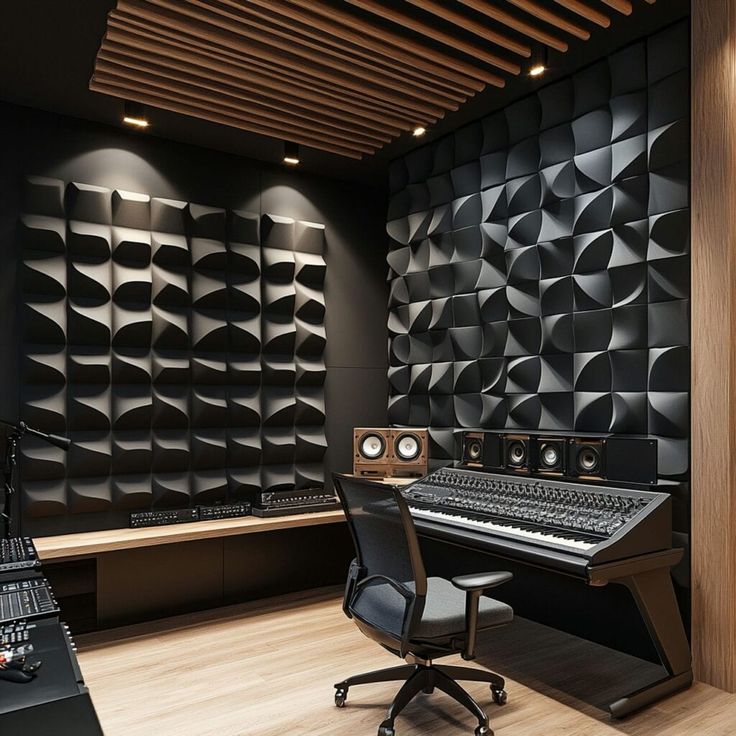
This guide explores practical soundproofing solutions for content creation studios in Kenya and explains how to create a more controlled recording environment.
Soundproofing vs Acoustic Treatment: What Is the Difference?
Soundproofing aims to reduce the amount of sound travelling into or out of a room. It involves controlling sound transmission through walls, doors, ceilings, floors and openings.
Acoustic treatment improves the way sound behaves inside the room. It helps manage echoes, reflections, reverberation and other acoustic problems that can affect recordings.
A studio may need both. Soundproofing helps reduce unwanted external noise, while acoustic treatment helps microphones capture clearer audio within the room.
1. Acoustic Wall Panels
Acoustic wall panels absorb sound reflections within a room. They are commonly used in podcast studios, recording rooms, voice-over spaces and video production environments.
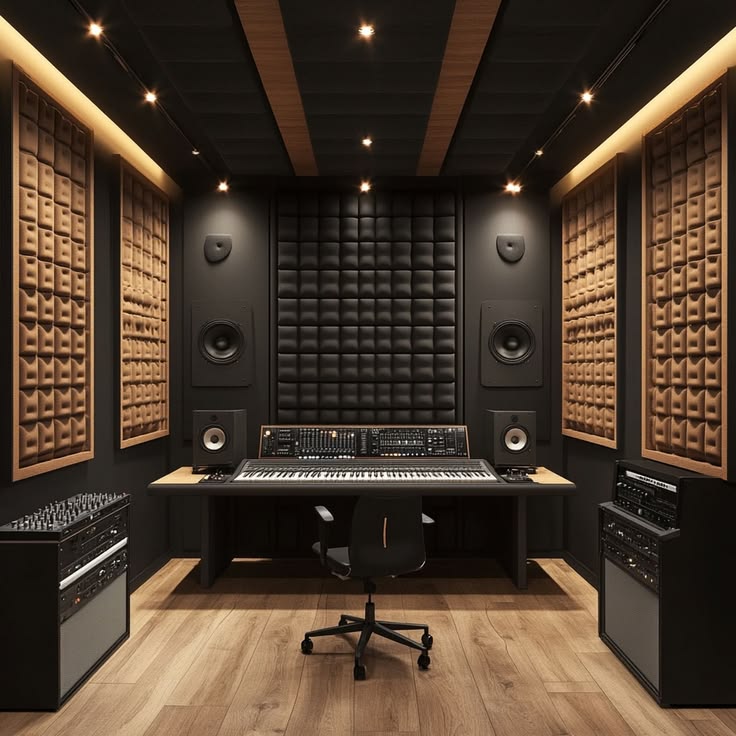
When sound hits hard surfaces such as bare walls, glass and tiled floors, it can reflect around the room. These reflections may create echo or make recorded voices sound less clear.
Acoustic panels help control these reflections when positioned correctly.
Where should acoustic panels be installed?
Common locations include:
- Side walls near the recording position.
- Walls behind or beside speakers.
- Selected areas behind microphones.
- Reflection points identified during acoustic planning.
The number and position of panels should depend on the room dimensions, intended use and existing finishes.
2. Insulated Partition Walls
A properly designed partition wall can help reduce sound transmission between a studio and neighbouring spaces.
A typical insulated partition may include:
- A metal framing system.
- Gypsum boards.
- Acoustic insulation within the cavity.
- Sealed joints and perimeter gaps.
- Suitable detailing around doors and service openings.
The performance depends on the complete wall assembly rather than insulation alone.
For studios located within offices or commercial buildings, the partition should be planned around the building’s existing ceiling, floor and wall construction.
3. Sound-Controlled Doors
Doors are often overlooked when planning studio soundproofing. Even a well-built wall may perform poorly if the door has gaps around its frame or does not close properly.
Consider:
- Solid-core doors or suitable acoustic door systems.
- Perimeter seals.
- Door-bottom seals.
- Properly fitted frames.
- Appropriate latches and hardware.
A studio door should also be easy to operate without creating unnecessary noise during recording.
4. Acoustic Ceiling Treatments
Ceilings can contribute to unwanted reflections, especially in rooms with hard floors and parallel walls.
Acoustic ceiling panels or suspended acoustic systems can help control sound reflections. The right solution depends on the ceiling height, lighting layout, ventilation requirements and type of studio.
If the room requires both sound control and a finished ceiling design, these elements should be coordinated before installation.
Explore ceiling types for commercial spaces in Nairobi for more information on commercial ceiling considerations.
You can also browse commercial interior design solutions, Nairobi interior design services and office interior design in Kenya for related fit-out options.
5. Double-Glazed or Acoustic Windows
Windows can be a weak point in a studio, especially when the building faces a busy road, commercial area or other noisy environment.
Depending on the noise problem and project budget, possible solutions include:
- Properly sealed existing windows.
- Secondary glazing.
- Double-glazed window systems.
- Specialised acoustic glazing.
The effectiveness depends on the complete window assembly, frame, seals and installation. Simply adding another pane of glass does not guarantee a particular level of sound reduction.
6. Bass Traps for Low-Frequency Sound
Low-frequency sound can build up in corners and create uneven bass response. This can affect music production, voice recordings and monitoring.
Bass traps are designed to help manage low-frequency energy. They are often installed in room corners or other locations identified during acoustic assessment.
Their design and placement should suit the room dimensions and the frequencies that need attention.
Planning a Content Creation Studio in Kenya
A professional content creation studio should combine acoustic performance with a functional and visually appealing interior.
Important considerations include:
Recording requirements
Determine whether the room will be used for podcasts, voice-overs, interviews, music, video production or several activities.
Room dimensions
Room size and shape affect sound behaviour, equipment placement and the amount of treatment required.
Lighting and backgrounds
Video studios need suitable lighting positions, backgrounds and camera clearances. These should be considered alongside acoustic panels and ceiling installations.
Electrical and data requirements
Plan power points, network connections and cable routes before walls and ceilings are closed.
Comfort and ventilation
The room should remain comfortable during long recording sessions without introducing excessive equipment noise.
Future flexibility
If the studio will support different production formats, consider movable furniture, adaptable backgrounds and flexible equipment positions.
Plan Your Content Creation Studio with Suimas Interior Designers
A good studio needs to look professional, support the production workflow and provide a controlled environment for recording. The best results come from planning the room, finishes, lighting and acoustic requirements together.
Call or WhatsApp Suimas Interior Designers on 0717 044 443 to discuss your studio interior project and request a quotation. Consultation and site-visit charges, where applicable, should be confirmed when booking.
