There is no single best ceiling for every commercial space, but there is a best default for each kind of space. For most commercial spaces in Nairobi, the strongest choice according to Suimas Interior Designers is a hybrid:
- Suspended grid and tile in the working areas, where access to services, speed and acoustics matter most.
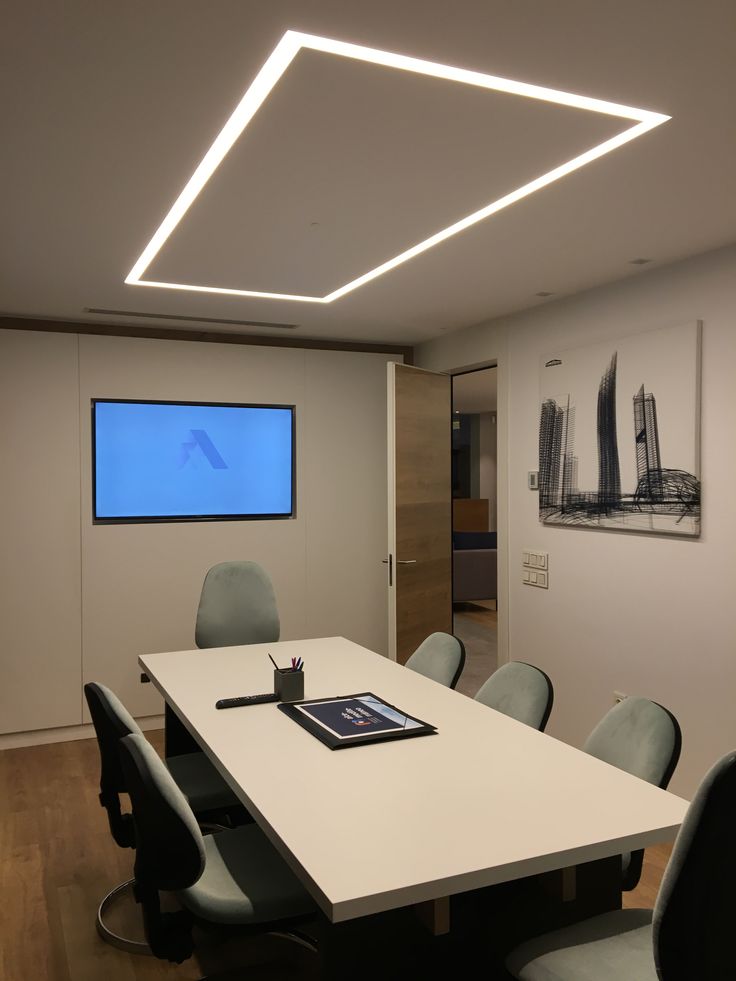
- Gypsum board in front-of-house areas such as reception, boardrooms, restaurants and showrooms, where design and integrated lighting matter most.
- Moisture-resistant, PVC-faced or metal ceilings in wet, humid or high-wear zones.
The right answer for your space depends on what the space is used for, how often services need to be reached, fire and building requirements, humidity, noise and budget. The table below gives you the quick answer by space type, and the sections after it explain the reasoning.
Quick answer by space type
| Space | Best default | Why | Watch out for |
|---|---|---|---|
| Open-plan office | Suspended grid with acoustic tiles | Access, acoustics, speed, easy reconfiguration | Glare, tile quality, partitions meeting the ceiling |
| Reception, boardroom, executive rooms | Gypsum with cove and layered lighting | Seamless premium look | Access panels, cost |
| Retail shop | Gypsum or suspended grid, depending on brand image | Clean lighting base, hides services | Lighting layout, moisture |
| Restaurant or café | Gypsum with warm lighting, or timber accents | Ambience and lighting control | Extraction, grease, acoustics |
| Bank or SACCO branch | Suspended grid in work areas, gypsum in customer areas | Security, access, brand image | Security devices, fire requirements |
| Clinic or hospital | Washable PVC-faced or moisture-resistant system | Hygiene, access to services | Cleanability, fire performance |
| School or college | Suspended acoustic grid | Sound absorption, durability, replaceable tiles | Impact, humidity |
| Hotel or lodge | Gypsum in guest and public areas, grid in back-of-house | Comfort and design flexibility | Moisture in bathrooms, fire safety |
| Gym or fitness studio | Moisture-resistant or metal ceilings with acoustic treatment | Humidity, noise | Condensation, sound |
| Church or auditorium | Acoustic gypsum or tiles | Sound control | Echo, height |
| Showroom | Gypsum or linear metal | Clean, high-end look | Lighting glare |
| Warehouse or workshop | Exposed or insulated metal roof lining | Practicality, cost | Heat, condensation, noise |
| Washrooms and kitchens | PVC-faced, moisture-resistant or metal | Humidity tolerance | Ventilation |
The six questions that decide the answer
1. Will anyone need regular access above the ceiling?
If yes, suspended grid and tile is usually the best choice, because tiles lift out. If access is rare, gypsum is fine, with access panels at drivers, valves and junction boxes. See Suspended Ceilings: Cost, Installation Time and Best Use Cases.
2. How important is the look?
For spaces where first impressions matter (reception, restaurants, showrooms, boardrooms), gypsum gives a seamless finish and design flexibility. For working spaces, practicality matters more than a sculpted ceiling. See Gypsum Board Ceilings: Pros, Cons and Best Applications.
3. How noisy is the space?
Open-plan offices, schools, cafés, gyms and churches need sound absorption. Choose acoustic tiles, perforated gypsum or acoustic panels in these spaces. Where privacy matters between rooms, remember that partitions stopping at the ceiling let sound travel through the void above.
4. How humid or wet is it?
Kitchens, washrooms, gyms, clinics and coastal or humid locations need moisture-resistant, PVC-faced or metal systems. Standard mineral tiles and standard gypsum board can stain and sag in damp conditions.
5. What are the fire and building requirements?
Many commercial buildings, especially managed towers, set rules about materials, fire performance and working hours. Check with your landlord or building manager before choosing. Fire-rated boards and tiles are available where required.
6. What is the budget and timeline?
Suspended grid is generally faster and more economical per square metre. Gypsum with design and lighting costs more and takes longer. Metal and specialist systems sit higher. For how costs are built up, see Gypsum Ceiling Cost in Nairobi.
Space-by-space reasoning
Offices
Use suspended grid in the working floor for access, acoustics and easy reconfiguration, and gypsum in reception, boardrooms and executive rooms for a premium finish. For design ideas, see Best Ceiling Designs for Corporate Offices, and for the technical detail, Suspended Ceiling Solutions for Modern Corporate Workspaces. Our Office Interior Design & Fit-Outs service coordinates ceilings with partitions, lighting and flooring.
Retail shops and showrooms
Shops need good, consistent lighting that makes products look their best. Gypsum allows built-in lighting tracks and coves, while suspended grid is quicker and more economical where the budget is tight. Linear metal ceilings suit modern showrooms and malls.
Restaurants and cafés
Ambience is the priority. Gypsum with warm, dimmable lighting suits most restaurants. Timber accents add warmth. Acoustic treatment is essential, and extraction needs to be planned before the ceiling is built. See Coffee House Interior Design for café-specific tips.
Banks and SACCO branches
Banks and SACCOs need a mix. Customer areas benefit from a refined gypsum ceiling that builds trust, while work areas suit practical suspended grid. Security cameras, alarm devices and lighting must be coordinated with the ceiling. See SACCO Branch Partitioning Cost in Kenya for how partitions and ceilings work together.
Clinics and hospitals
Hygiene comes first. Washable PVC-faced tiles or moisture-resistant, sealed systems, with access to services and fire-appropriate materials. See Hospital & Clinic Interior Design and How to Design a Medical Clinic.
Schools and colleges
Classrooms are noisy, and children and young people are hard on buildings. Suspended acoustic grid is usually best: it absorbs sound, withstands wear and individual tiles are cheap to replace.
Hotels and lodges
Guest rooms and public areas benefit from gypsum’s design flexibility and mood lighting, while back-of-house areas can use practical suspended grid. Bathrooms need moisture-resistant systems and good ventilation.
Gyms and fitness studios
Humidity and noise are the main issues. Use moisture-resistant or metal ceilings with acoustic treatment, and plan ventilation carefully.
Churches and auditoriums
Sound is the main design issue. Use acoustic gypsum, perforated panels or acoustic tiles, and take advice on reverberation in tall spaces.
Warehouses and workshops
Practicality wins. Exposed structure with insulation, or an insulated metal lining, helps with heat and condensation under metal roofs.
Wet areas: kitchens and washrooms
PVC-faced, moisture-resistant or metal ceilings, with good ventilation. Avoid standard mineral tiles.
How the main types compare
| Type | Cost position | Access to void | Design flexibility | Moisture tolerance | Speed |
|---|---|---|---|---|---|
| Suspended grid and tile | Moderate | Excellent | Limited | Depends on tile | Fast |
| Gypsum board | Moderate to higher | Needs panels | Excellent | Moderate (use moisture-resistant board in humid areas) | Slower |
| PVC | Lower | Moderate | Limited | Excellent | Fast |
| Metal | Moderate to higher | Good | Moderate | Excellent | Moderate |
| Timber or timber-look | Moderate to higher | Moderate | Good | Varies | Moderate |
| Exposed | Low | Total | Limited | Good | Fast |
For a wider comparison of all the main ceiling types, see Main Types of Ceilings Compared.
Special considerations for Nairobi
- Managed buildings. Many towers in areas such as Westlands, Upper Hill and Gigiri have rules for working hours, deliveries, noise and fire performance. Get approvals in writing before ordering materials.
- Deliveries and access. Gypsum boards are long, and tiles need to be stored dry. Lifts, stairs and parking affect how materials reach the site.
- Operating businesses. Many commercial spaces cannot close during works, so phased installation and clean methods matter. Suspended grid is generally cleaner and faster than continuous gypsum.
- Humidity and leaks. Standard materials suffer where roofs leak or air-conditioning condensation is not managed. Fix the cause before replacing damaged ceilings.
For how installation works across the city, see Ceiling Installation Services in Nairobi.
Common mistakes
- Choosing one ceiling type for the whole building.
- Using standard tiles or board in wet areas.
- Ignoring building and fire requirements.
- Not coordinating lighting, air conditioning, sprinklers and detectors.
- Forgetting access panels in gypsum ceilings.
- Letting partitions stop at the ceiling where privacy matters.
- Choosing by price alone and ignoring maintenance.
Get a recommendation for your space
Send us the type of business, floor area, ceiling height, landlord requirements and photos, and we will recommend a ceiling type for each zone. Explore Gypsum Ceilings & Integrated Lighting and Commercial Interior Design.
Call or WhatsApp: 0717 044 443 | 0739 255 050 | 0725 021 709
Email: info@suimas.co.ke
Website: suimas.co.ke | interiordesigners.co.ke
Location: Solar House, Fourth Floor, Nairobi CBD
Related Post Resources
- Reception Desk and Area Design
- Aluminium & Glass Partitions
- SACCO Branch Partitioning Cost in Kenya
- Painting & Special Effect Finishes
- How to Design a Medical Clinic
- Office Interior Design & Fit-Outs
- Coffee House Interior Design
- Step-by-Step Ceiling Installation Process
- Office Fit-Out Contractors in Nairobi
- Top 10 Commercial Interior Designers in Nairobi
- Gypsum Ceiling Designs Portfolio
- Modern Boardroom Interior Designers – Suimas
- Medical Clinic Interior Design – Suimas
- Local Building Contractors Near Me – Suimas
- Suimas Interior Design Services
