Lighting plays a major role in how guests experience a hotel restaurant after sunset. It affects the appearance of food, the comfort of diners, the atmosphere of the space and how the restaurant’s interior design is perceived.
A well-lit dining area should not feel too bright or too dark. Instead, different lighting sources should work together to support visibility, comfort and atmosphere.
For hotels planning a restaurant upgrade or a new hospitality fit-out, here are practical lighting ideas to consider.
1. Understand the Four Main Types of Lighting
A successful hotel restaurant should combine different types of lighting rather than depend on a single ceiling fixture.
Ambient Lighting
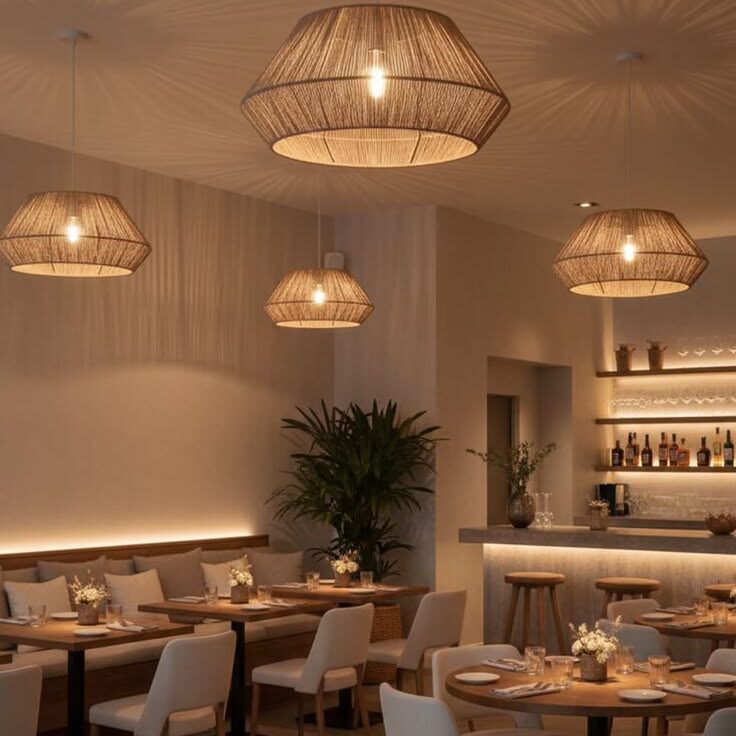
Ambient lighting provides general illumination throughout the restaurant. It allows guests and staff to move around safely and comfortably.
It can come from recessed ceiling lights, concealed LED strips, ceiling fixtures or other evenly distributed sources.
Task Lighting
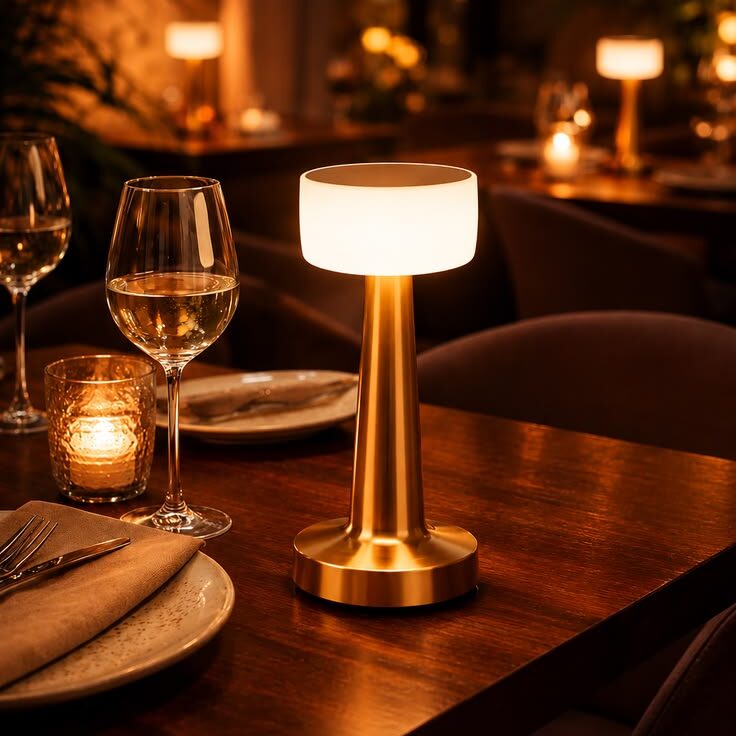
Task lighting provides focused illumination where specific activities take place. In a hotel restaurant, this may include dining tables, the bar counter, food preparation points and service stations.
It should provide sufficient visibility without shining directly into guests’ eyes.
Accent Lighting
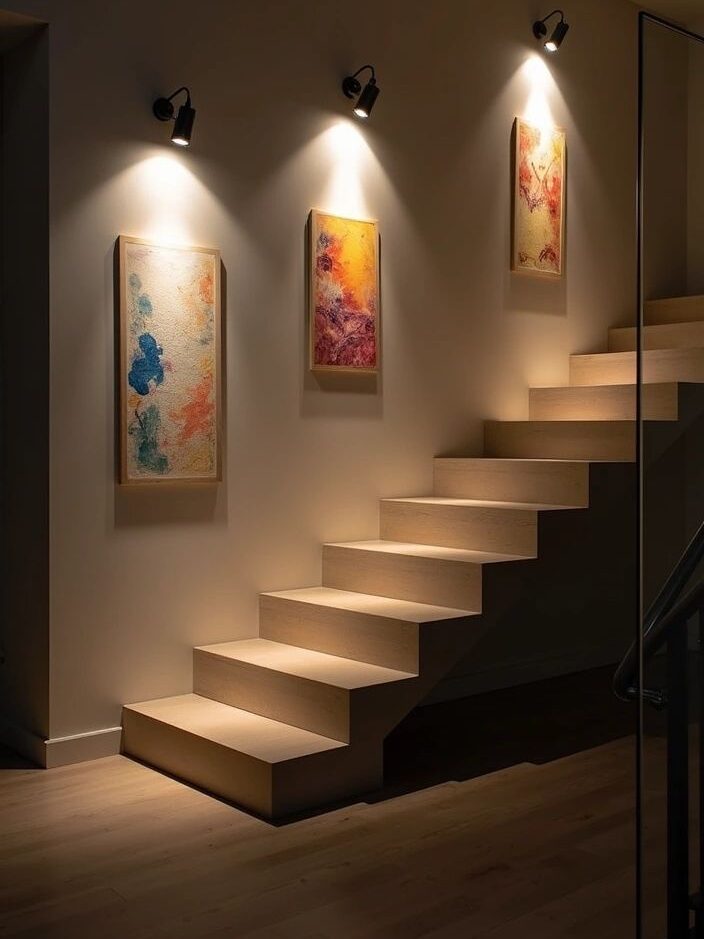
Accent lighting draws attention to selected interior features. It can highlight artwork, textured walls, decorative shelving, architectural details and feature installations.
It is particularly useful when the restaurant has design elements that contribute to the hotel’s identity.
Decorative Lighting
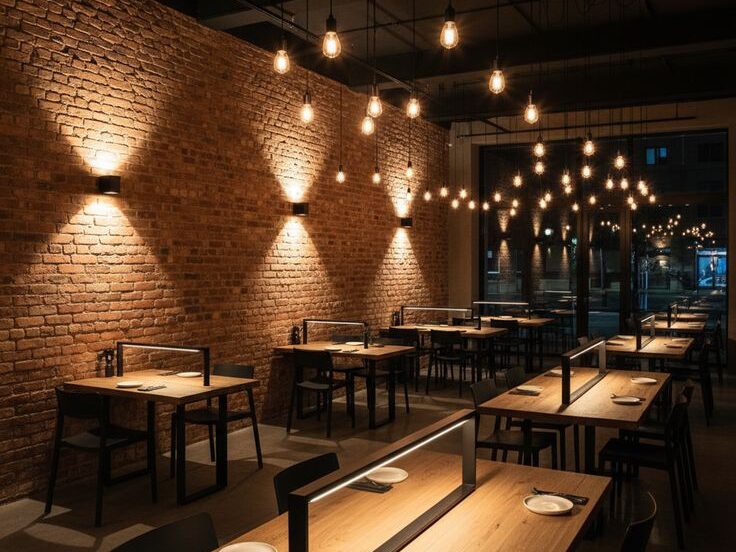
Decorative lighting adds visual character and atmosphere. Pendant lights, chandeliers and statement fixtures can become part of the restaurant’s design identity.
The fixture should complement the furniture, ceiling design and overall theme rather than compete with them.
2. Layer the Lighting for a More Comfortable Dining Experience
Layered lighting combines ambient, task, accent and decorative sources. This creates depth and allows different parts of the restaurant to serve different purposes.
Pendant Lights Over Dining Tables
Pendant lights can define individual dining areas and create a more intimate atmosphere. Their height and brightness should be planned so that they illuminate the table without obstructing views across the restaurant.
Wall Sconces
Wall sconces provide softer illumination and can emphasise wall textures, artwork or architectural details. They are useful along dining walls, corridors and selected lounge areas.
Table Lamps
Table lamps introduce a more intimate layer of lighting, especially in premium dining areas and private seating zones. Choose stable, easy-to-maintain designs that do not occupy too much table space.
Accent Lighting
Use concealed LED strips, directional spotlights or carefully positioned fixtures to highlight feature walls, decorative finishes and architectural details.
For more ideas on coordinating ceilings and lighting, read our guide to gypsum ceiling lighting mistakes.
Candlelight
Candlelight can add warmth and intimacy to selected dining settings. Where real candles are not practical, suitable LED alternatives can create a similar visual effect with easier maintenance.
3. Light the Bar and Lounge Differently
The bar and lounge areas often serve a different purpose from the main dining room. Guests may spend longer socialising, waiting or enjoying drinks.
Consider using a combination of:
- Decorative pendants above the bar counter.
- Accent lighting behind bottle displays and shelves.
- Softer ambient lighting around lounge seating.
- Task lighting at service and preparation counters.
- Dimmable fixtures to adjust the atmosphere during different periods.
The lighting should help distinguish the bar from the main dining area while maintaining a consistent overall design.
4. Use Dimmable Lighting
Dimmable lighting allows hotel staff to adjust brightness according to the time of day, the type of service and the atmosphere required.
A restaurant may need brighter lighting during breakfast or lunch and a softer setting during evening dining. Dimming also allows accent and decorative fixtures to become more prominent without compromising general visibility.
The lighting controls should be planned alongside the electrical layout. Different lighting layers may need separate circuits or control zones to give staff practical flexibility.
5. Coordinate Lighting with Ceilings and Interior Finishes
Lighting should be considered before ceiling installation and final decoration. This helps determine fixture positions, cable routes, recessed fittings, ceiling details and access for maintenance.
For example, a gypsum ceiling can incorporate concealed LED strips, recessed spotlights and decorative features. Wall finishes and furniture materials should also be considered because reflective, dark or textured surfaces affect how light is experienced.
Suimas Interior Designers can coordinate these elements as part of a wider hospitality interior project.
Explore our hotel interior design services, hotel interior design cost guide and professional hotel interior design services.
You can also explore our restaurant and bar design services, restaurant interior design solutions and modern restaurant interior design ideas.
Areas We Serve
Suimas Interior Designers provides hospitality, residential and commercial interior design and fit-out services in Westlands, Lavington, Karen, Kilimani, Kileleshwa, Runda, Muthaiga, Gigiri, Loresho, Lang’ata, Spring Valley, Lower Kabete, Ruaka, Utawala and Ruiru.
We have also undertaken projects in Kisumu, Nakuru, Eldoret, Naivasha, Meru, Thika and Machakos, among other locations across Kenya. Contact us to confirm availability for your project.
Create a Memorable Hotel Dining Space with Suimas
A memorable dining environment depends on more than attractive light fixtures. The layout, ceiling, furniture, finishes, lighting controls and brand identity should work together.
Suimas Interior Designers can help plan and coordinate your hotel restaurant interior, from lighting and ceiling design to finishing and fit-out.
Call or WhatsApp 0717 044 443 to discuss your hotel or restaurant project and request a quotation. Consultation and site-visit charges, where applicable, can be confirmed when booking.
