Choosing a ceiling can feel confusing because people use the same words for different things. “False ceiling,” “drop ceiling,” “suspended ceiling,” “POP” and “gypsum” overlap, and a quote that says “ceiling” might mean any of them.
This guide untangles the types of ceilings used in Kenyan homes and commercial buildings, compares them on cost, style and best use, and ends with a room-by-room guide so you can match the ceiling to the space.
The Main types of Ceilings
- False ceiling / drop ceiling / suspended ceiling: a secondary ceiling hung below the structural slab. Most of the types below are variations of this.
- Ceiling void: the space between the structural slab and the false ceiling.
- Gypsum board (plasterboard, drywall): a manufactured board used to create seamless ceilings.
- Tray, cove, coffered, multi-level: these describe the shape or design of a ceiling, not the material. A tray ceiling is usually built from gypsum.
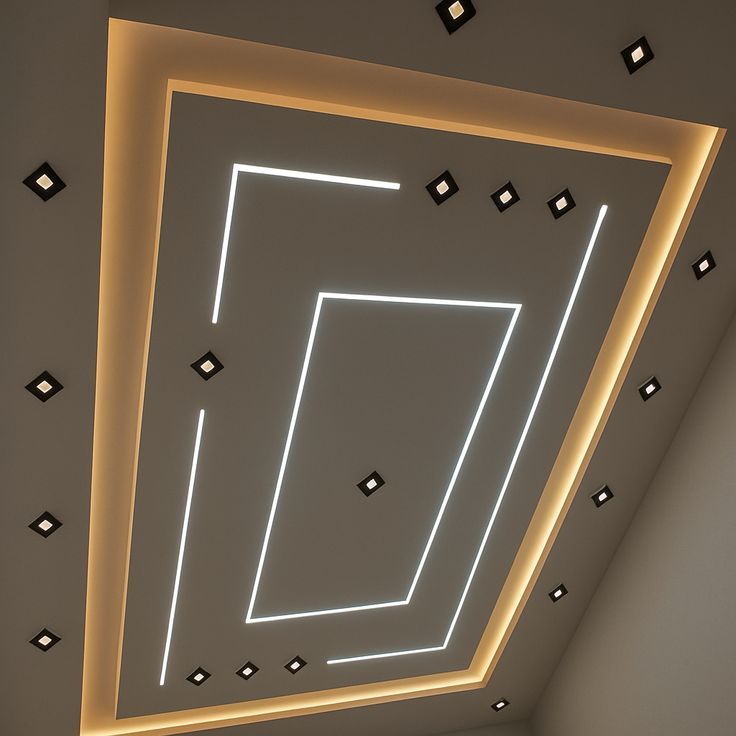
1. Gypsum board ceilings
Seamless, paintable, shapeable. Can be flat or sculpted into coves, trays, curves and tiers, with lighting built in. This is the most popular choice for homes, offices, hotels and clinics.
Cost: moderate, rising with design complexity and lighting. Style: modern, clean, flexible. Best use: living rooms, bedrooms, offices, reception areas, hotels, restaurants. Limits: not waterproof; needs skilled finishing.
Read the full breakdown in Gypsum Board Ceilings: Pros, Cons and Best Applications and see how we integrate lighting in Gypsum Ceilings & Integrated Lighting.
2. Suspended grid and tile ceilings
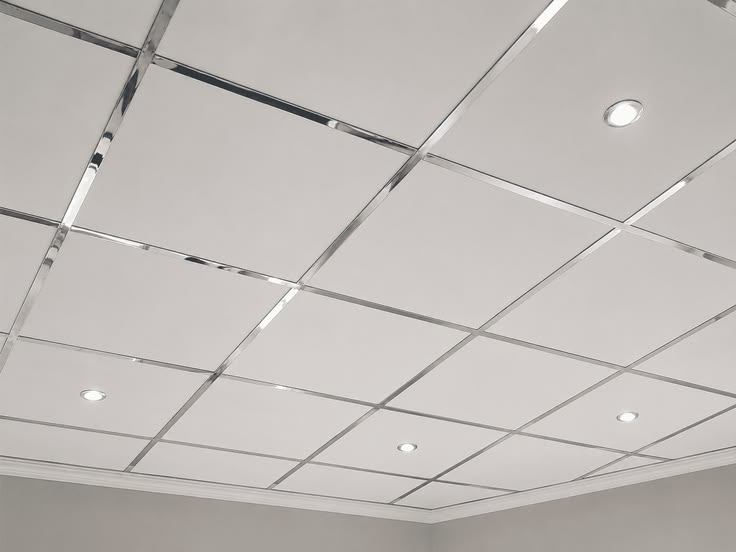
A metal grid holds lay-in tiles (mineral fibre, gypsum, PVC-faced or metal). Tiles lift out for access to services above.
Cost: lower to moderate. Style: functional, uniform. Best use: offices, schools, clinics, shops, corridors. Limits: utilitarian look, visible grid, standard mineral tiles dislike moisture.
See Suspended Ceilings: Cost, Installation Time and Best Use Cases.
3. PVC ceilings
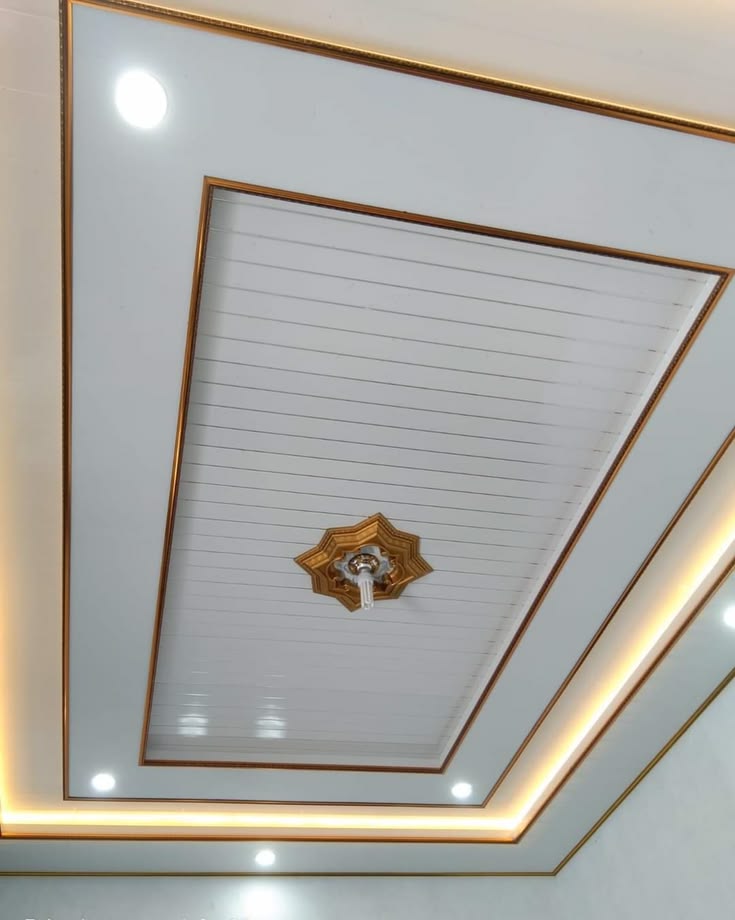
Lightweight PVC panels or strips fixed to a light frame.
Cost: economical. Style: clean and uniform, with visible panel lines; some patterns imitate timber. Best use: kitchens, bathrooms, shops, verandas, humid areas, budget projects. Limits: less design flexibility; joints are visible; check fire performance for commercial use.
4. POP (plaster of Paris) ceilings
Wet plaster applied or cast on a framework, traditionally used for decorative mouldings, cornices and ornate patterns.
Cost: moderate, labour-heavy for detailed work. Style: classic, ornate, traditional. Best use: period or classical interiors, decorative cornices and centre roses. Limits: slower and messier than board systems; more prone to cracking if not done well. For most modern ceilings, gypsum board is the more practical choice.
5. Timber and timber-look ceilings
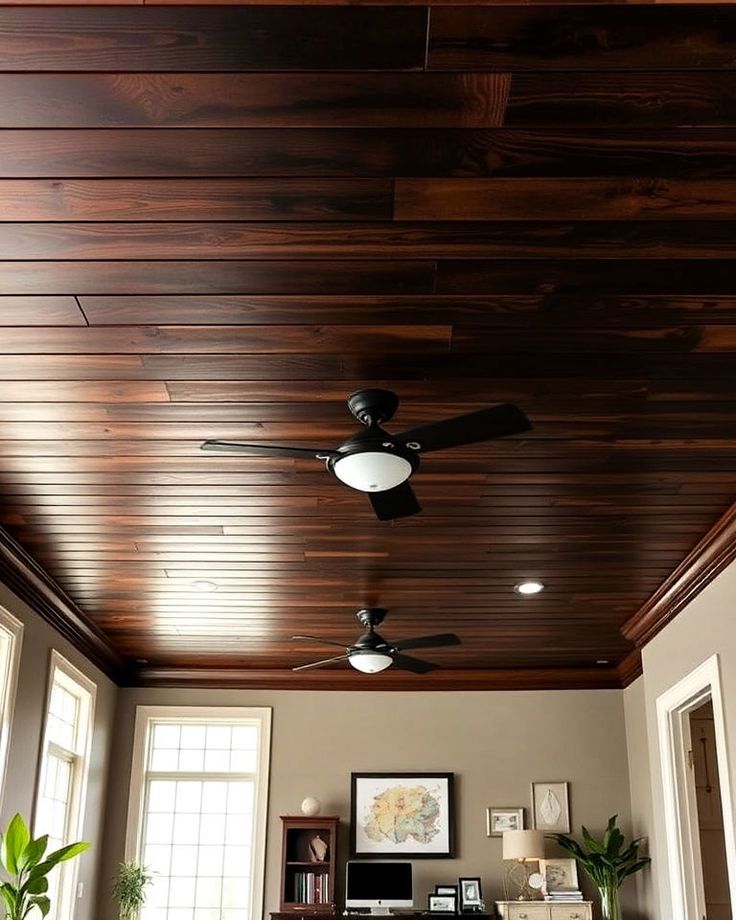
Real timber boards (such as cypress or mahogany) or WPC and timber-look panels.
Cost: moderate to high. Style: warm, natural, rustic or contemporary. Best use: lounges, dining areas, restaurants, lodges, accent ceilings, coastal-style interiors. Limits: real timber needs sealing and maintenance, and can be affected by humidity and insects. Timber-look panels avoid some of these problems.
6. Metal ceilings
Aluminium or steel panels, baffles, strips or tiles, usually powder-coated.
Cost: moderate to high. Style: sleek, modern, commercial. Best use: malls, airports, corridors, reception areas, outdoor soffits, wet or humid areas. Limits: higher cost, specialist fixing, can feel cold in residential settings.
7. Stretch ceilings
A thin PVC or fabric membrane stretched across a perimeter track and tensioned, often with a glossy or backlit finish.
Cost: moderate to high. Style: futuristic, smooth, sometimes glossy or illuminated from behind. Best use: feature areas, shops, lounges, spaces where a glowing or reflective surface is the goal. Limits: specialist product, not widely installed, and needs a skilled installer.
8. Exposed (open) ceilings
The raw slab or roof structure is left visible, with services painted or neatly arranged.
Cost: low in materials, but services must be tidy. Style: industrial, loft, urban. Best use: studios, creative offices, cafés, bars, loft-style homes. Limits: poor acoustics, no concealment, and every pipe and cable shows.
Design shapes: tray, cove, coffered and multi-level
These are styles applied mostly to gypsum:
- Cove ceiling: a recessed edge hiding an LED strip that glows across the ceiling.
- Tray ceiling: a raised centre section with a lower perimeter band.
- Coffered ceiling: a grid of recessed panels, classical and heavy. Needs generous height.
- Multi-level ceiling: two or more tiers, often with curves and a decorative centre. Best in large rooms.
Side-by-side comparison
| Type | Cost | Style | Seamless? | Access to void | Moisture tolerance | Best for |
|---|---|---|---|---|---|---|
| Gypsum board | Moderate | Modern, flexible | Yes | Needs panels | Moderate (MR board for humid areas) | Homes, offices, hotels |
| Suspended grid and tile | Low to moderate | Functional | No | Excellent | Depends on tile | Offices, schools, clinics |
| PVC | Low | Practical | No (panel joints) | Moderate | Excellent | Kitchens, bathrooms, shops |
| POP | Moderate | Classic, ornate | Yes | Poor | Low to moderate | Traditional interiors |
| Timber / timber-look | Moderate to high | Warm, natural | No | Moderate | Varies | Lounges, restaurants |
| Metal | Moderate to high | Sleek, commercial | No | Good | Excellent | Malls, corridors |
| Stretch | Moderate to high | Futuristic | Yes | Moderate | Good | Feature areas, retail |
| Exposed | Low | Industrial | No | Total | Good | Lofts, cafés, studios |
Exact figures depend on area, specification and lighting, so firm numbers need a site visit. For how to read a quote, see Gypsum Ceiling Cost in Nairobi.
Room-by-room guide
Living room. Gypsum with cove lighting is the all-round winner. See Ceiling Types for Living Rooms Compared for a detailed comparison.
Bedroom. Plain gypsum with soft, dimmable cove or concealed lighting. Keep it calm and avoid heavy tiers.
Kitchen. PVC, metal or moisture-resistant gypsum with a good extractor. Avoid standard mineral tiles and untreated timber.
Bathroom. PVC or moisture-resistant gypsum, with ventilation. See Bathroom Interior Designs.
Home office. Plain gypsum with even, neutral lighting.
Office. Suspended grid and tile for the main floor, gypsum for reception and meeting rooms. See Office Interior Design & Fit-Outs.
Clinic or hospital. Washable, fire-appropriate materials, accessible voids. See Hospital & Clinic Interior Design.
Shop or retail unit. Suspended grid, gypsum or metal, depending on the brand image. See Commercial Interior Design.
Restaurant or lounge. Gypsum with layered lighting, or timber accents for warmth.
Club or bar. Dark-painted ceilings, acoustic treatment and lighting rigs. See Club Interior Design.
Veranda or covered outdoor area. PVC, metal or cement-based boards. Avoid standard gypsum.
How to choose in five questions
- Does the room get wet or humid? If yes, favour PVC, metal or moisture-resistant gypsum.
- Will anyone need regular access above the ceiling? If yes, favour grid and tile, or plan access panels.
- How much clear height do I have? If it is limited, keep the drop shallow.
- What lighting do I want? Cove and layered lighting point to gypsum.
- What is the budget? Match the ceiling to the cost ladder, and spend where it is seen most, like the living room and reception.
Common mistakes
- Choosing by photograph without checking ceiling height.
- Using the same ceiling type everywhere in the building.
- Using standard board or untreated tiles in humid rooms.
- Deciding the lighting after the ceiling is built.
- Comparing quotes that cover different materials without noticing.
Talk to Suimas
We design and install every major ceiling type, and we will recommend the right one for each room rather than defaulting to the one that is easiest to sell. Send us your plans, photos and ceiling heights and we will advise.
Call or WhatsApp: 0717 044 443 | 0739 255 050 | 0725 021 709
Email: info@suimas.co.ke
Location: Solar House, Fourth Floor, Nairobi CBD
Related Post Resources
- Living Room Interior Design
- Bedroom Interior Design
- Full House Interior Design
- Reception Desk and Area Design
- Fluted Panels & Wainscoting
- Wall Cladding & Wainscoting Installation
- Renovation Services
- Best Ceiling Types for Living Areas
- Gypsum Ceilings Installation Kenya
- Six Gypsum Ceiling Lighting Mistakes
- What It Really Costs to Fit Out a Club or Lounge in Nairobi
- Office Fit-Out Contractors in Nairobi
- Top 10 Commercial Interior Designers in Nairobi
- Gypsum Ceiling Designs Portfolio
- Local Building Contractors Near Me – Suimas
