Gypsum ceilings can transform a room with clean lines, recessed lighting and a smooth finish. They can also accommodate decorative features such as floating trays, bulkheads and concealed LED lighting.
However, cracks and water stains can appear when a ceiling is poorly installed, exposed to moisture or affected by movement in the building. Understanding the causes can help homeowners and property managers protect their ceilings and recognise when professional repairs are needed.
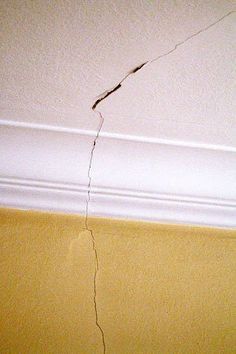
Why Do Gypsum Ceilings Crack?
Cracks can develop for several reasons, including:
- Movement in the building structure.
- Poorly finished joints between gypsum boards.
- Incorrect spacing or fixing of boards.
- Temperature and humidity changes.
- Vibrations from nearby construction or machinery.
- Poor-quality jointing tape or compound.
- Water damage that weakens the board or joints.
Small hairline cracks may be cosmetic. However, widening cracks, sagging boards or recurring cracks should be inspected by a professional before repainting or carrying out further finishing work.
The quality of the framing, board fixing and jointing process all influence the final result. Our guide to the step-by-step ceiling installation process explains why preparation, setting out and proper finishing matter.
What Causes Water Stains on a Gypsum Ceiling?
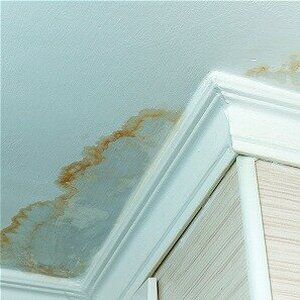
Water stains commonly appear as yellow, brown or grey patches. They may become more noticeable after rainfall or when plumbing fixtures above the ceiling are used.
Common causes include:
- A leaking roof.
- Damaged or blocked gutters.
- Leaking pipes above the ceiling.
- Condensation caused by poor ventilation.
- Moisture from bathrooms or kitchens.
- Poor waterproofing around balconies or roof slabs.
- Leaks from air-conditioning systems or drainage lines.
Do not simply paint over a water stain without identifying and repairing the source of moisture. The stain may return if the leak continues, and prolonged dampness can damage the gypsum board and surrounding materials.
Warning Signs to Watch For
Inspect your ceiling if you notice:
- Cracks that continue to widen.
- Sagging or bulging ceiling boards.
- Bubbling or peeling paint.
- Brown, yellow or grey water stains.
- Mould or mildew.
- A musty smell.
- Dripping water or damp patches.
- Cracks appearing repeatedly after repainting.
A ceiling that is sagging, bulging or actively leaking should be assessed promptly. Avoid disturbing damaged boards if there is a risk of collapse or electrical services are affected.
How to Prevent Gypsum Ceiling Cracks
Proper installation is one of the most important ways to reduce the risk of ceiling cracks.
A well-executed gypsum ceiling should include:
- A correctly aligned framing system.
- Properly spaced and secured gypsum boards.
- Quality jointing tape and compound.
- Movement joints where required by the design and building conditions.
- Correct sanding, priming and painting.
- Professional finishing around corners, bulkheads and light fittings.
Avoid rushing the finishing process. Jointing compounds and paint need appropriate drying time between coats. Rushed work can affect the final appearance and durability.
Ceiling design should also be coordinated with lighting and other services before the boards are installed. This helps reduce unnecessary cutting and rework.
For homeowners planning a new ceiling, see our guide to gypsum ceiling designs in Kenya.
How to Prevent Water Damage
Preventing ceiling water damage starts with the roof, plumbing and ventilation systems above and around it.
Practical steps include:
- Inspect the roof regularly for damaged tiles, flashing or waterproofing.
- Clean gutters and downpipes to prevent blockages and overflow.
- Check plumbing above ceilings, especially around bathrooms and kitchens.
- Ensure bathrooms and kitchens have adequate ventilation.
- Repair roof, plumbing or waterproofing leaks promptly.
- Use appropriate moisture-resistant boards in humid or splash-prone areas.
- Avoid blocking ventilation openings.
Moisture-resistant boards can be suitable for certain humid areas, but they do not make a ceiling waterproof. The source of moisture still needs to be controlled.
Should You Repair or Replace a Damaged Gypsum Ceiling?
The right approach depends on the extent of the damage.
A minor hairline crack may be repaired by filling, sanding, priming and repainting. However, water-damaged boards may need to be removed, dried and replaced.
A professional repair may involve:
- Identifying and stopping the source of moisture.
- Allowing the affected area to dry completely.
- Removing damaged gypsum board.
- Treating mould or affected surfaces where necessary.
- Installing replacement boards and jointing.
- Sanding, priming and repainting.
- Checking surrounding ceiling sections for hidden damage.
Painting over damaged material without addressing the cause can result in recurring stains or cracks.
Why Choose Suimas Interior Designers for Ceiling Installation and Repairs?
Suimas Interior Designers provides gypsum ceiling design and installation services for homes, offices and commercial spaces.
Our ceiling-related work can include:
- Flat, tray, floating and multi-level gypsum ceilings.
- Bulkheads and decorative ceiling features.
- Cove lighting and recessed spotlights.
- Ceiling repairs and replacement.
- Painting and finishing.
- Coordination of lighting and other ceiling services.
Explore our gypsum ceilings and integrated lighting services and our ceiling installation services in Nairobi.
If you are planning a new installation, read our ceiling installation process guide and our guide to the best ceiling types for commercial spaces in Nairobi.
You can also explore our interior design cost and pricing guide when preparing a wider renovation budget.
Areas We Serve
Suimas Interior Designers provides ceiling installation, repair, renovation and interior finishing services in Westlands, Lavington, Karen, Kilimani, Kileleshwa, Runda, Muthaiga, Gigiri, Loresho, Lang’ata, Spring Valley, Lower Kabete, Ruaka, Utawala and Ruiru.
We also undertake suitable projects in Mombasa, Kisumu, Nakuru, Eldoret, Naivasha, Meru, Thika and Machakos, among other locations across Kenya. Contact us to confirm service availability.
Get Help with Your Gypsum Ceiling
Whether you are installing a new gypsum ceiling, repairing cracks or dealing with water stains, the cause of the problem should be understood before work begins.
Call or WhatsApp Suimas Interior Designers on 0717 044 443 to discuss your ceiling project and request a quotation. Share photos of the affected area, your location and the approximate ceiling size. Consultation and site-visit charges, where applicable, can be confirmed when booking.
