Starting a podcast does not require an expensive commercial studio. With Suimas Interiors, you can create a functional recording space at home or in a small office. We understand how to manage noise, reduce echo and position your recording equipment properly.
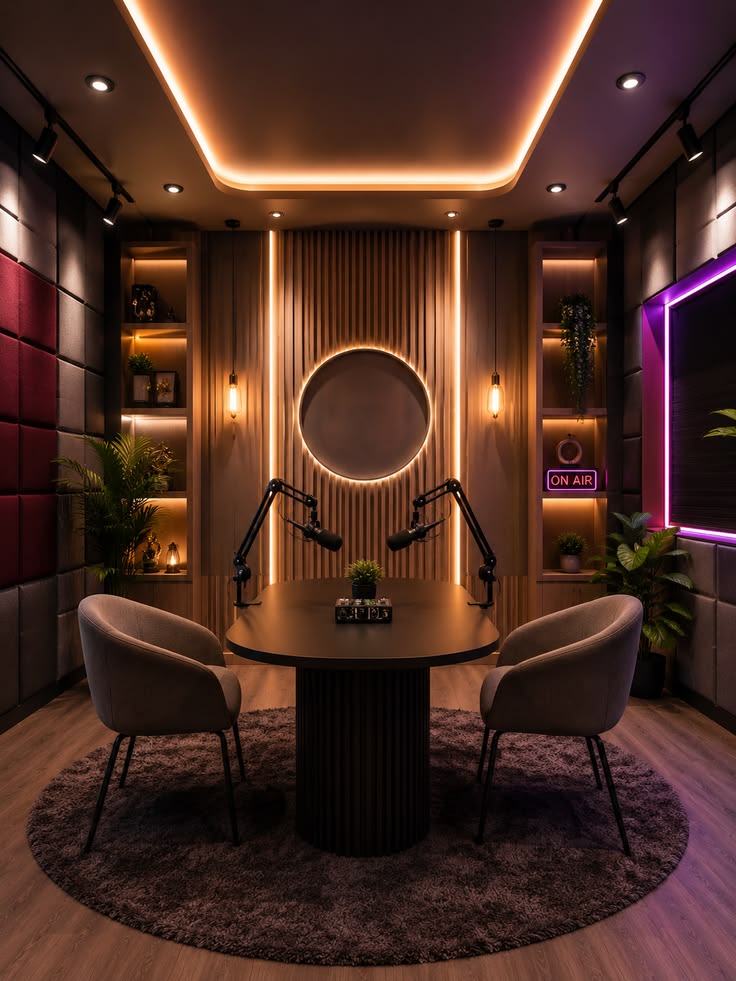
Acoustic treatment and soundproofing solve different problems. Acoustic treatment controls sound reflections inside the room, while soundproofing reduces sound entering or leaving the space.
If you are researching how to soundproof a podcast room on a budget, the best approach is to identify the main sound problem before spending money on materials.
1. Identify the Source of the Noise
Before buying acoustic panels, listen carefully to the room during recording hours.
Common sources of unwanted noise include:
- Traffic and outdoor activity.
- Neighbouring rooms and conversations.
- Fans and air-conditioning units.
- Gaps around doors and windows.
- Echoes caused by bare walls, floors and ceilings.
If your recordings sound hollow or echoey, you may need acoustic treatment. If you can hear traffic or conversations through the walls, you may need sound isolation.
Our guide to soundproofing costs in Kenya explains the difference and the factors that affect project budgets.
2. Start with Soft Furnishings
Soft furnishings are a useful first step when dealing with echo in a small podcast room.
Consider adding:
- A thick rug or carpet.
- Heavy curtains.
- A fabric sofa or upholstered chair.
- Cushions.
- Bookshelves containing books and other objects.
These items can help reduce some sound reflections, particularly in rooms with hard floors and bare walls.
They are not substitutes for structural soundproofing, but they can improve the recording environment without requiring major renovation work.
3. Install Acoustic Panels Strategically
Acoustic panels absorb sound reflections and can make recorded voices sound clearer.
You do not need to cover every wall. Start by identifying the areas where sound reflections are most noticeable.
Common locations include the side walls around the recording position and the wall behind the speaker or microphone setup.
A few properly positioned panels can be more useful than covering the entire room with inexpensive foam without a plan.
For more guidance, see our articles on soundproofing solutions for content creation studios and commercial ceiling options.
4. Seal Gaps Around Doors and Windows
Sound can pass through small gaps around door frames, windows and other openings.
Affordable improvements may include:
- Door perimeter seals.
- Door-bottom seals.
- Window seals.
- Properly fitted curtains.
- Sealing suitable gaps around frames and service openings.
If outside noise is a major problem, a lightweight door or poorly fitted window may need a more substantial upgrade.
Remember that ventilation openings should not simply be blocked. A podcast room still needs adequate airflow.
5. Use the Right Door
Doors can be a weak point in a sound-isolation system.
If your budget allows, consider a solid-core door with suitable perimeter seals and a properly fitted frame. Ensure the door closes tightly and does not leave large gaps at the bottom.
A good door upgrade can be more useful than spending the same amount on decorative acoustic foam if the main issue is sound travelling between rooms.
6. Consider an Insulated Gypsum Partition
If your podcast room is being created inside a larger office or house, an insulated partition may help separate it from surrounding activities.
A properly designed system can include metal framing, gypsum boards, acoustic insulation within the cavity and sealed joints.
The complete construction matters. Insulation alone does not guarantee soundproofing, and sound can still travel through the ceiling, floor, doors or adjoining structures.
For related information, read the cost of office partitions in Kenya and how open-plan offices can be partitioned.
7. Reduce Equipment and Background Noise
Not every sound problem requires construction work.
Before investing in major upgrades:
- Move noisy computers away from microphones.
- Turn off unnecessary fans during recording.
- Use a microphone with a suitable pickup pattern.
- Position the microphone close enough to the speaker.
- Use headphones to monitor unwanted noise.
- Secure loose cables and equipment.
- Avoid placing the microphone next to vibrating appliances.
A well-planned recording setup can improve audio quality while keeping the renovation budget manageable.
8. Choose a Practical Podcast Room Layout
A podcast room should support comfortable recording and movement. Plan the position of microphones, chairs, cameras, lighting, desks and power points before installing permanent finishes.
For video podcasts, also consider the background visible to the camera. Acoustic panels, shelves, selected wall finishes and branded features can help create a professional setting.
You can explore interior design costs in Kenya, gypsum ceiling and lighting considerations and office refurbishment costs in Nairobi.
How Much Does It Cost to Soundproof a Podcast Room in Kenya?
The cost depends on whether you need basic echo control or structural sound isolation.
As an indicative planning guide, basic room acoustic treatment may cost around KSh 80,000–250,000, while a small studio acoustic fit-out may range from KSh 120,000–350,000. More extensive sound-isolation work can cost considerably more.
The final budget depends on room size, existing construction, door and window upgrades, acoustic materials, ceiling treatment and installation requirements.
For a more detailed breakdown, see our soundproofing cost guide.
Why Hire Suimas Interior Designers to Soundproof Your Podcast Room?
DIY improvements can help with minor echo problems, but a professional fit-out is useful when you need a more controlled recording environment or when sound is travelling between rooms.
Suimas Interior Designers can coordinate the interior work required for a podcast room, including:
- Acoustic wall and ceiling treatments.
- Insulated gypsum partitions.
- Door and interior finishing upgrades.
- Lighting and electrical coordination.
- Flooring and wall finishes.
- Studio layout and space planning.
You can also explore commercial interior design solutions, office interior design in Kenya and office interior design in Nairobi.
For more project inspiration, read office partitioning costs in Westlands, and integrating brand identity into office interiors.
Frequently Asked Questions
Does acoustic foam block outside noise?
No. Acoustic foam mainly absorbs sound reflections inside the room. It is not a substitute for properly designed sound-isolation construction.
What is the best wall treatment for a podcast room?
The best option depends on whether you need echo control or sound isolation. Acoustic panels help with reflections, while insulated wall systems can reduce sound transmission when properly designed.
Can Suimas Interior Designers fit out a podcast room?
Suimas can help coordinate the interior fit-out, including partitions, ceilings, lighting, finishes and acoustic-related installations according to the project requirements.
Let Suimas Help You Build a Better Podcast Room
A good podcast room does not have to be expensive, but it should be planned properly. Investing in the right improvements can save you from repeatedly buying materials that do not solve the actual sound problem.
Call or WhatsApp 0717 044 443 to discuss your podcast room project with Suimas Interior Designers and request a quotation. Consultation and site-visit charges, where applicable, should be confirmed when booking.
