A fluted wall with the right light is the reason guests stop talking when they walk in. The ribs catch the light, the grooves fall into shadow, and a flat surface suddenly has depth, rhythm and drama. The panels do half the work. The lighting does the rest.
This guide explains what fluted panels are, where they work best, how to light them, which colours and finishes to choose and how to keep them looking new.
What are fluted (reeded) panels?
Fluted panels carry a pattern of vertical grooves or ribs. Strictly speaking, fluting means concave channels and reeding means rounded, raised ribs, but in the market both words describe the same look: clean vertical lines that add texture. Panels are made from WPC (wood-plastic composite), PVC, veneered boards and solid timber, and they fix to a prepared wall, so they add character without a major building job. Our Fluted Panels & Wainscoting service covers the full range.
Where fluted panels work best
TV walls. The vertical lines frame the screen and stop a dark TV from looking like a hole in the wall. They also give you a place to hide cables. See Modern TV Unit Designs.
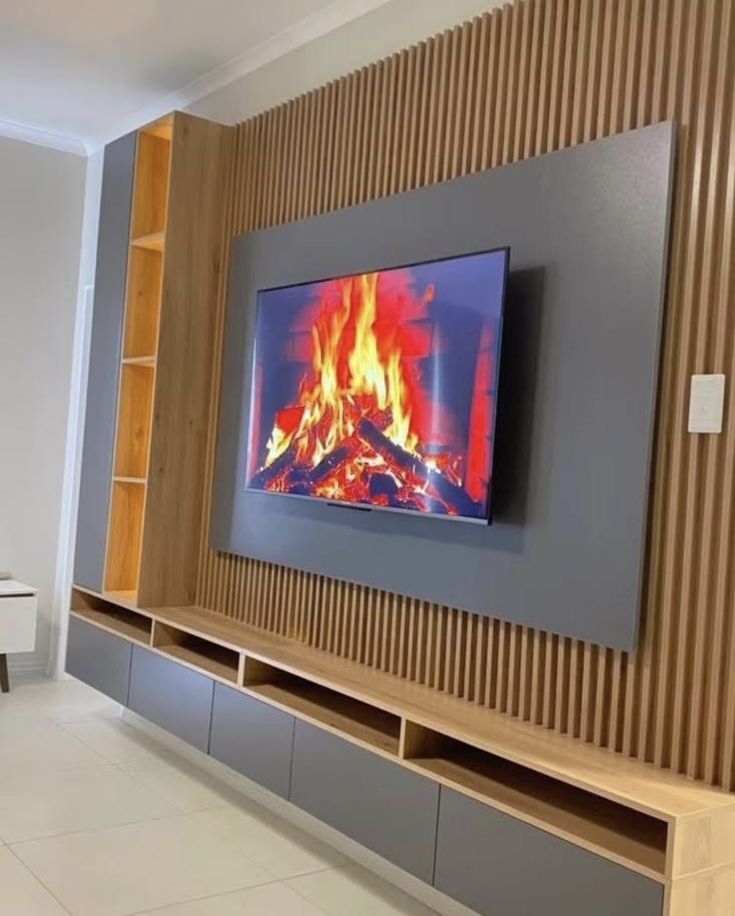
Feature walls. Behind the sofa, the dining table or the bed headboard, a fluted wall becomes the focal point of the room.
Reception areas. Behind the desk, a fluted wall with a lit logo tells visitors that the business pays attention to detail. See Reception Desk and Area Design.
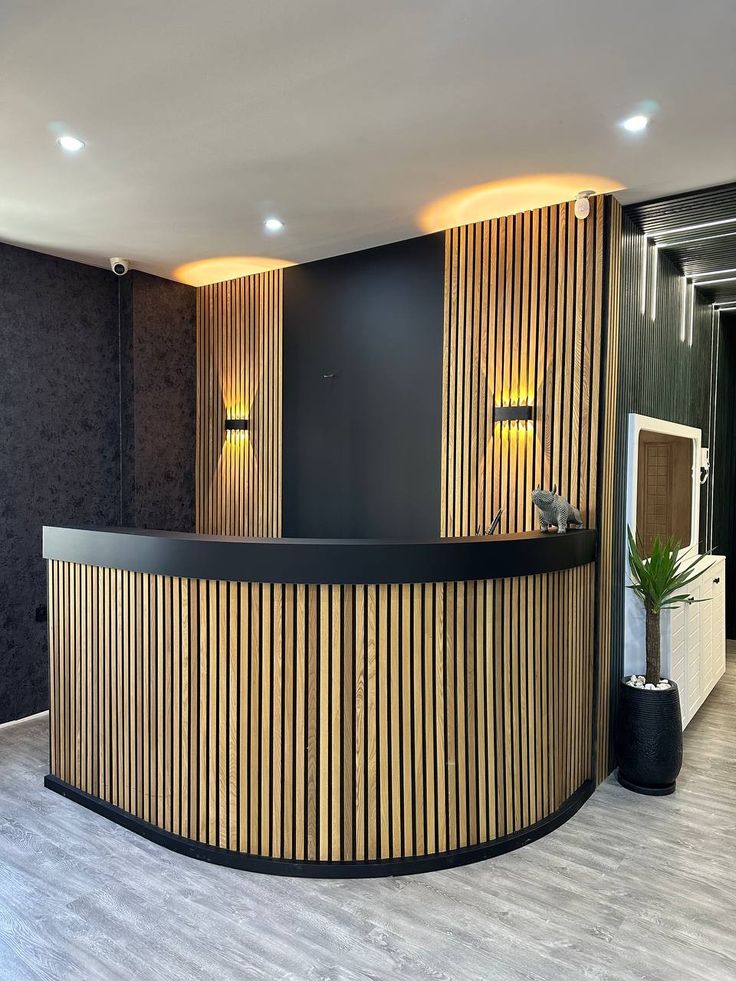
Corridors, staircases, restaurants and shops. Anywhere a long, plain wall needs interest. For other wall finishes, see Wall Cladding & Wainscoting Installation.
Why lighting makes the difference
Flat, even light flattens ribs. Light that skims across the surface, or glows from behind, makes every groove visible. That is the effect you see in magazine photographs, and it comes from planning the light and the panel together.
Lighting options that work
LED strip at the top. A strip hidden in a recess at the ceiling line washes light down the ribs. It is the most popular option for TV walls and feature walls, and it makes the ceiling feel higher.
LED strip at the base or behind the panel. A floating panel with a strip behind it appears to hover, with a soft halo around the edges.
Recessed downlights close to the wall. Narrow-beam fittings set near the wall graze the panel and throw dramatic shadows. Placement matters, since a few centimetres changes the effect, so it should be drawn and tested before installation.
Linear LED profiles between panels. A slim line of light set into a slot divides the wall into bands and gives a crisp, architectural look.
Combine with ceiling lighting. The best rooms treat the wall and ceiling as one scheme. See Gypsum Ceilings & Integrated Lighting and Planning Home Ceiling Lighting.
Colour and finish options
- Natural timber tones (oak, walnut) add warmth and suit most homes.
- White and cream keep a room bright, with shadows that stay soft.
- Charcoal and black give a dramatic, upscale look, especially with warm light.
- Sage, olive and deep green are popular for bedrooms and lounges.
- Matte or satin finishes hide fingerprints better than gloss.
- Metallic trims in brass or gold add a premium edge.
- Mixed with marble sheets for a layered look. Our guide to fluted panels vs marble sheets shows how.
For a wider view of wall materials and where each works, read Wall Cladding for Kenyan Interiors.
Maintenance tips
- Dust weekly with a soft brush, a microfibre cloth or a vacuum brush attachment. Grooves collect dust, and regular dusting prevents build-up.
- Wipe PVC and WPC with a slightly damp cloth. Avoid harsh chemicals and abrasive pads.
- Keep timber veneer dry. Wipe spills quickly and use minimal moisture.
- Check the lighting occasionally. Make sure strips and drivers are working and accessible.
- Keep hot appliances clear of the panels.
One team: design, supply and installation
The most common problem with feature walls is coordination. The panel installer and the electrician work separately, the cable ends up in the wrong place and the light does not match the design. Suimas Interior designers, supplies and installs both the panels and the coordinated lighting as one seamless package. One plan, one schedule and one accountable team means the wiring is planned before the panels go up, the light falls where the design intended, and nobody has to chase two contractors.
Before anything is built, we can show you the wall with the lighting in place. See 3D Interior Design Renders, and for the room around it, Living Room Interior Design.
Get your lit feature wall
Send us a photo of your wall and its dimensions, and we will propose a panel, a finish and a lighting plan.
Call or WhatsApp 0717 044 443.
Related Post Resources
- Bedroom Interior Design
- Painting & Special Effect Finishes
- Full House Interior Design
- Commercial Interior Design
- Floor Installation Services
- Residential Interior Design
- Best Ceiling Types for Living Areas
- Six Gypsum Ceiling Lighting Mistakes
- Coffee House Interior Design
- Frosted Glass Branding and 3D Signage
- Interior Design and Property Value Kenya – ROI
- Modern Apartment Interior Designers in Kenya
- Future of Interior Design Kenya – Upcoming Trends
- Local Building Contractors Near Me – Suimas
- Suimas Interior Design Services
